

Plant Type: Root
Roots are a foundational part of many traditional herbal systems, valued for their concentrated nutrients and bioactive compounds. Often prepared as decoctions, powders, or extracts, roots have historically been used to support energy, digestion, and long-term wellness. This collection includes a variety of roots traditionally used across cultures for their grounding and restorative qualities.
-
Burdock
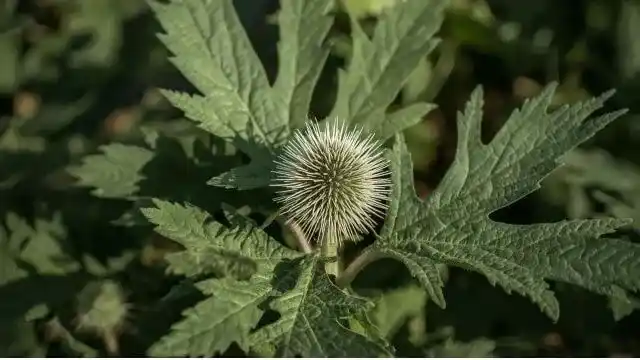
Burdock is a tall biennial herb traditionally valued for its deep roots and long history in European and Asian herbal practices. The…
-
Calamus
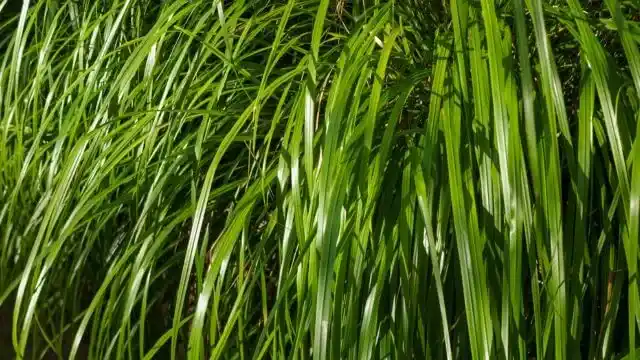
Calamus is an aromatic wetland herb traditionally valued for its strongly scented rhizome. It has been used in herbal traditions for digestive…
-
Devils Claw
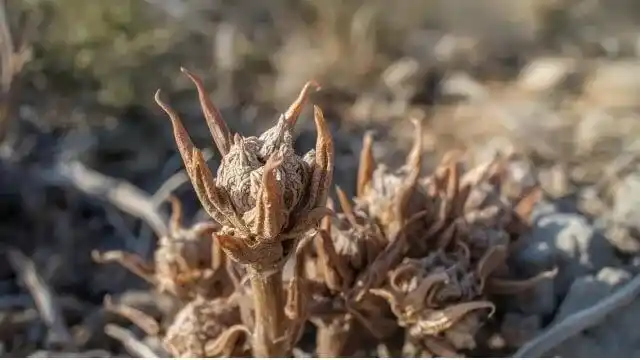
Devils claw is a traditional southern African herb known for its distinctive hooked fruit and long history of use in root-based botanical…
-
Dong Quai
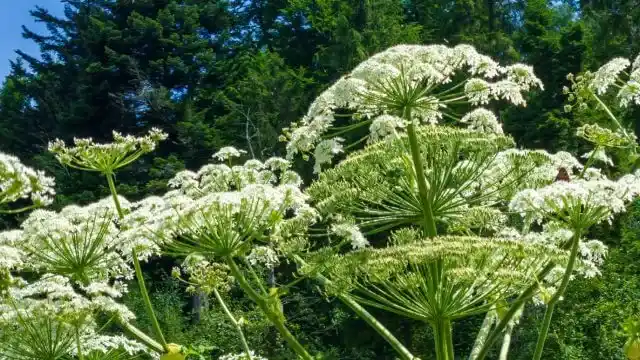
Dong quai is an aromatic root herb long used in traditional East Asian herbal systems. The root is commonly prepared in decoctions,…
-
Gentian
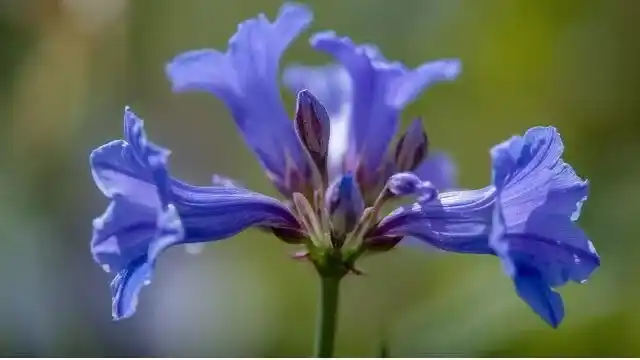
Gentian is a traditional medicinal herb valued in herbal traditions. It has historically been used in herbal preparations and traditional remedies. Native…
-
Kava
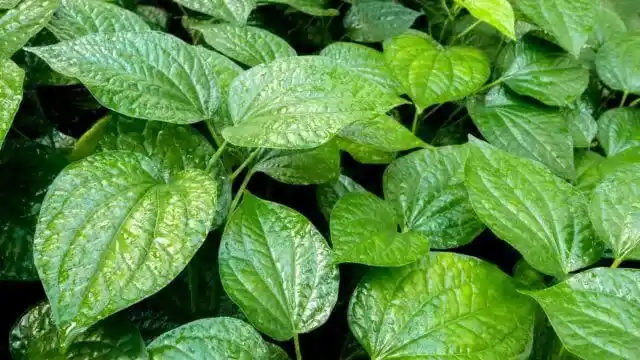
Kava is a tropical Pacific shrub traditionally used as a ceremonial and relaxing beverage. The peeled root and rhizome are the parts…
-
Kutki
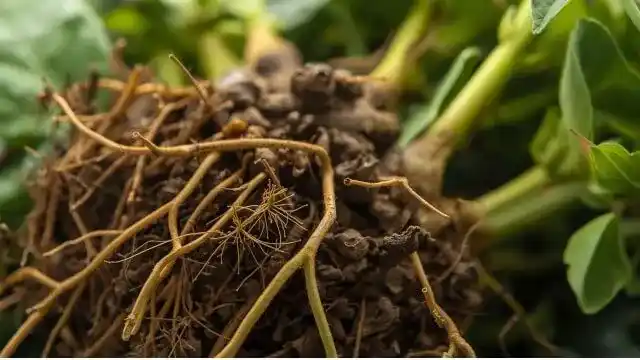
Kutki is a small alpine Himalayan herb traditionally used in Ayurvedic practice. The rhizome is the part most often dried and prepared.…
-
Licorice Root
Licorice root is a sweet-tasting traditional herb used in teas, syrups, and compound formulas. It has long been associated with throat and…
-
Rehmannia
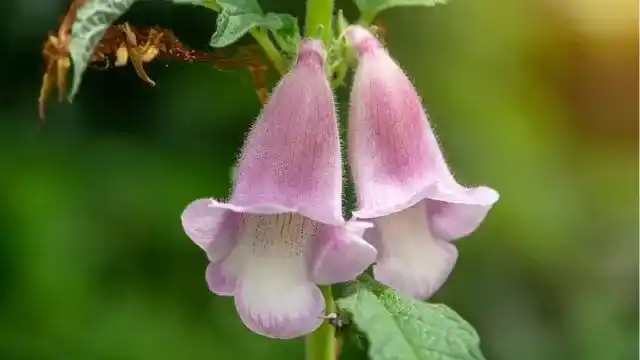
Rehmannia is a traditional Chinese root herb long used in tonic formulas. The fleshy root may be used fresh, dried, or prepared…
-
Rhodiola
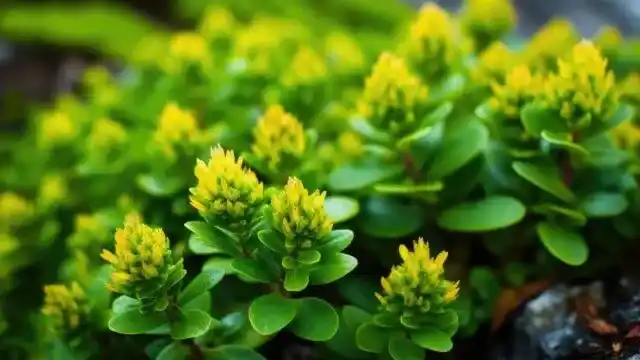
Rhodiola is a cold-climate tonic herb traditionally valued for stamina and resilience. The root has long been used in northern and mountain…
-
Shatavari
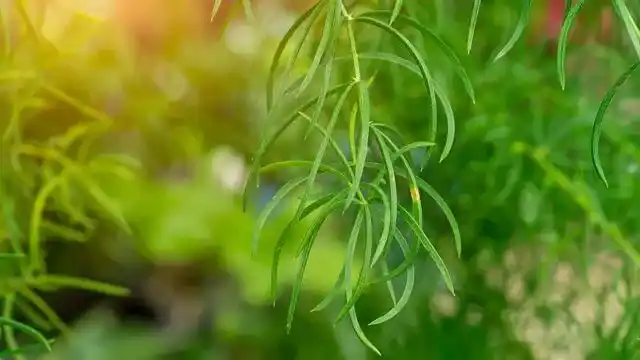
Shatavari is an Ayurvedic root herb traditionally used in nourishing tonic formulas. The tuberous roots are the parts most often dried and…
-
Sweet Flag
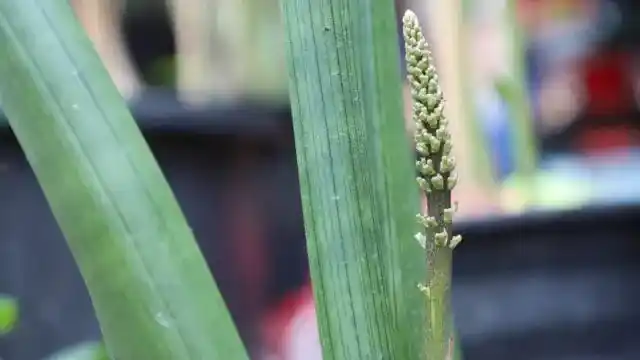
Sweet flag is an aromatic marsh plant traditionally valued for its rhizome in older herbal practice. The rhizome has been used in…
Looking for a specific plant?
Browse the full Flowers, Herbs & Plants A–Z directory →Plant Type: Root
Roots are a foundational part of many traditional herbal systems, valued for their concentrated nutrients and bioactive compounds. Often prepared as decoctions, powders, or extracts, roots have historically been used to support energy, digestion, and long-term wellness. This collection includes a variety of roots traditionally used across cultures for their grounding and restorative qualities.
-
Burdock is a tall biennial herb traditionally valued for its deep roots and long history in European and Asian herbal practices. The root is especially recognized in teas, decoctions, and traditional botanical preparations and remains widely known in herbal literature.
-
Calamus is an aromatic wetland herb traditionally valued for its strongly scented rhizome. It has been used in herbal traditions for digestive bitters, aromatic preparations, and traditional tonics. Found in marshy habitats, calamus is known for sword-like leaves and a distinctive spicy fragrance.
-
Devils claw is a traditional southern African herb known for its distinctive hooked fruit and long history of use in root-based botanical preparations. It remains widely recognized in herbal literature and is commonly prepared as decoctions, powders, and concentrated extracts.
-
Dong quai is an aromatic root herb long used in traditional East Asian herbal systems. The root is commonly prepared in decoctions, powders, and traditional formulas. Native to China, dong quai remains one of the best-known herbs in Chinese herbal practice.
-
Gentian is a traditional medicinal herb valued in herbal traditions. It has historically been used in herbal preparations and traditional remedies. Native to Central and Southern Europe, it has long been included in teas, tinctures, and herbal preparations.
-
Kava is a tropical Pacific shrub traditionally used as a ceremonial and relaxing beverage. The peeled root and rhizome are the parts most often prepared. Native to the Pacific Islands, kava is widely recognized for its cultural significance as well as its distinctive earthy drink.
-
Kutki is a small alpine Himalayan herb traditionally used in Ayurvedic practice. The rhizome is the part most often dried and prepared. Native to high mountain regions, kutki is known for its bitter taste and longstanding use in classical herbal systems.
-
Licorice root is a sweet-tasting traditional herb used in teas, syrups, and compound formulas. It has long been associated with throat and digestive support in many herbal systems. Native to southern Europe and western Asia, licorice is valued for its soothing root.
-
Rehmannia is a traditional Chinese root herb long used in tonic formulas. The fleshy root may be used fresh, dried, or prepared by steaming, depending on the herbal tradition. Native to China, rehmannia is known for its tubular flowers and importance in classical East Asian practice.
-
Rhodiola is a cold-climate tonic herb traditionally valued for stamina and resilience. The root has long been used in northern and mountain herbal traditions. Known as golden root or rose root, rhodiola is adapted to harsh climates and prepared as tincture, decoction, or extract.
-
Shatavari is an Ayurvedic root herb traditionally used in nourishing tonic formulas. The tuberous roots are the parts most often dried and prepared. Native to Asia, it is a climbing asparagus relative known for its fine foliage, hooked spines, and longstanding place in traditional practice.
-
Sweet flag is an aromatic marsh plant traditionally valued for its rhizome in older herbal practice. The rhizome has been used in decoctions, powders, and bitters. Native across parts of Asia and Europe and naturalized elsewhere, it is known for its sword-like leaves and wetland habit.
Looking for a specific plant?
Browse the full Flowers, Herbs & Plants A–Z directory →About Us
Organic Goodness offers the Flowers & Herbs website as an educational resource covering medicinal herbs, essential oils, botanical traditions and natural living.
Browse
Links
The information on this website is for educational purposes only and is not intended as medical advice. Always consult a qualified healthcare professional before using herbs, supplements, or natural products.