

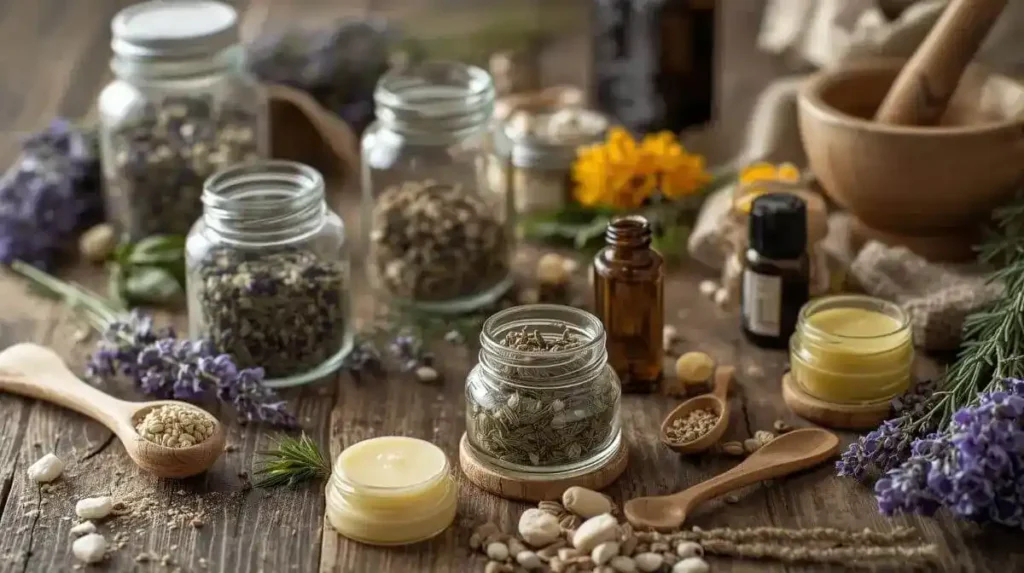
Exploring the Remedies Collection
As this section grows, you will find a wide range of herbal preparations using traditional methods and natural ingredients. These remedies highlight the diversity of ways that herbs can be prepared and used in everyday wellness practices.
Each remedy page links to the herbs and essential oils used in the preparation, allowing you to explore the plants involved and learn more about their traditional uses.
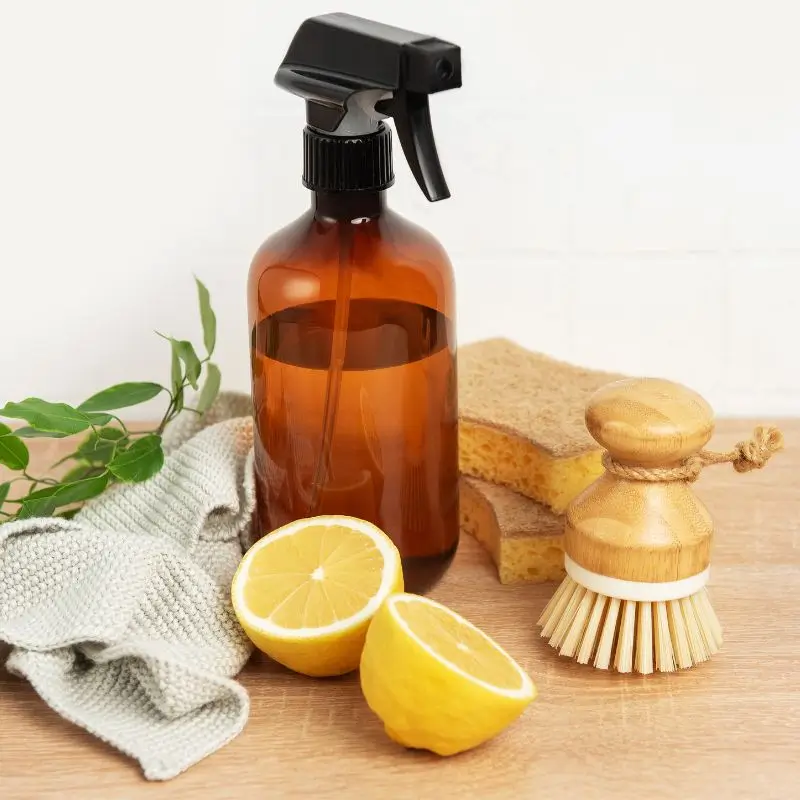
Around the Home Recipes
Create natural recipes for freshening your home using herbs and essential oils. This collection includes room sprays, linen sprays, diffuser blends, cleaning aroma blends, and simple DIY home fragrance ideas for everyday spaces.
Each recipe is designed to be easy to make and customize, helping you create clean, inviting scents for bathrooms, bedrooms, laundry areas, and the home.
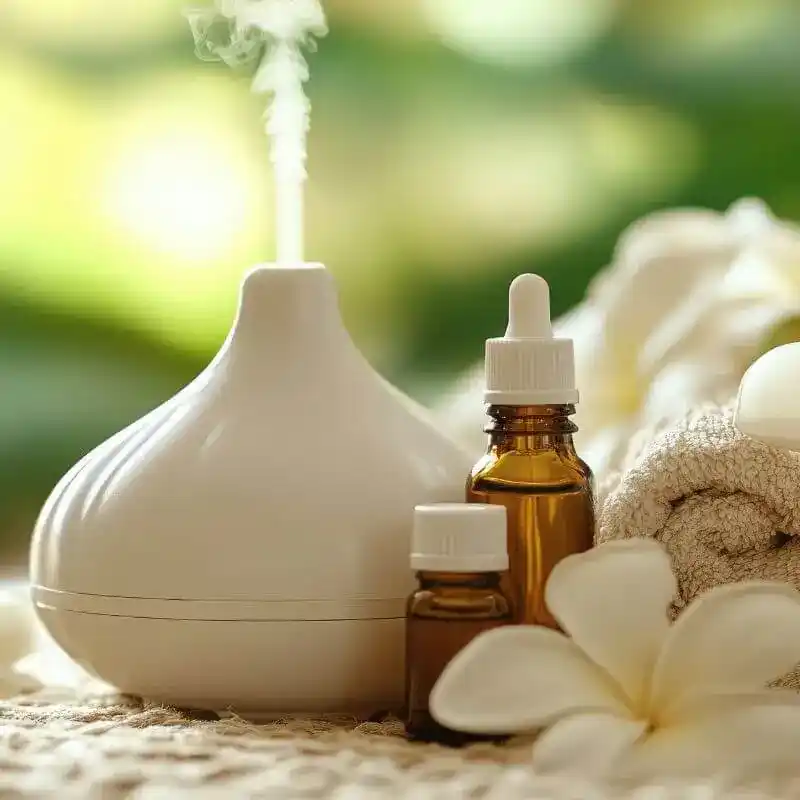
Aromatherapy Recipes
Create your own aromatherapy blends using essential oils for everyday use. This collection includes roller blends, diffuser combinations, sprays, and pulse point oils designed to complement relaxation and daily routines.
Each recipe includes simple blending guidance so you can safely create personalized scents to suit your preferences.
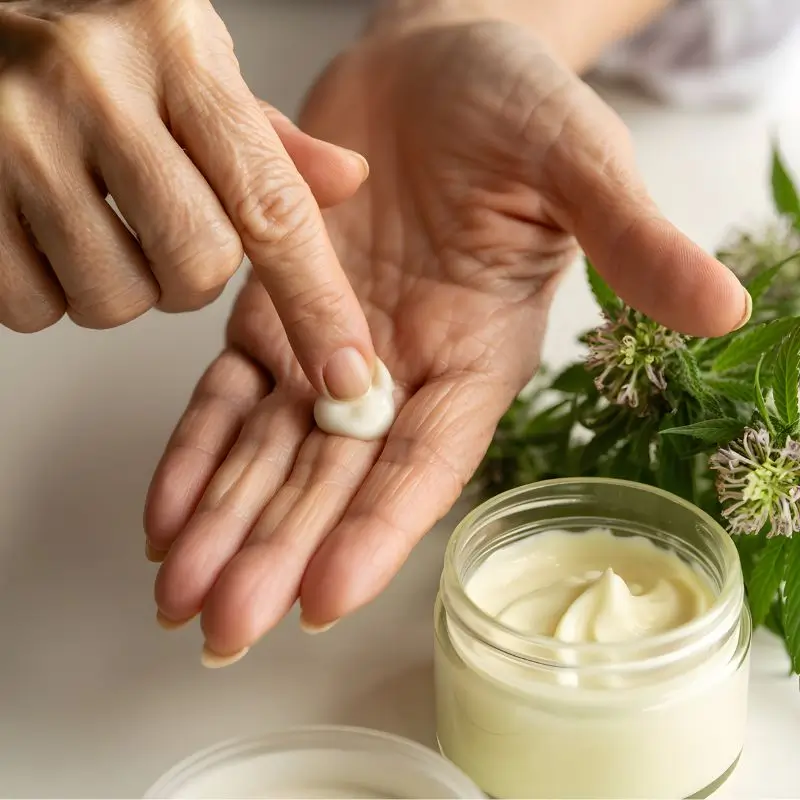
Hand and Foot Care Recipes
Explore natural hand and foot care recipes made with botanical oils, herbs, butters, and essential oils. This collection includes practical formulations such as hand balms, foot soaks, cuticle oils, heel balms, and soothing care products designed to support soft, comfortable skin.
Each recipe is easy to make and can be adapted for different needs, helping you create simple plant-based hand and foot care for everyday use, seasonal dryness, and relaxing home self-care routines.
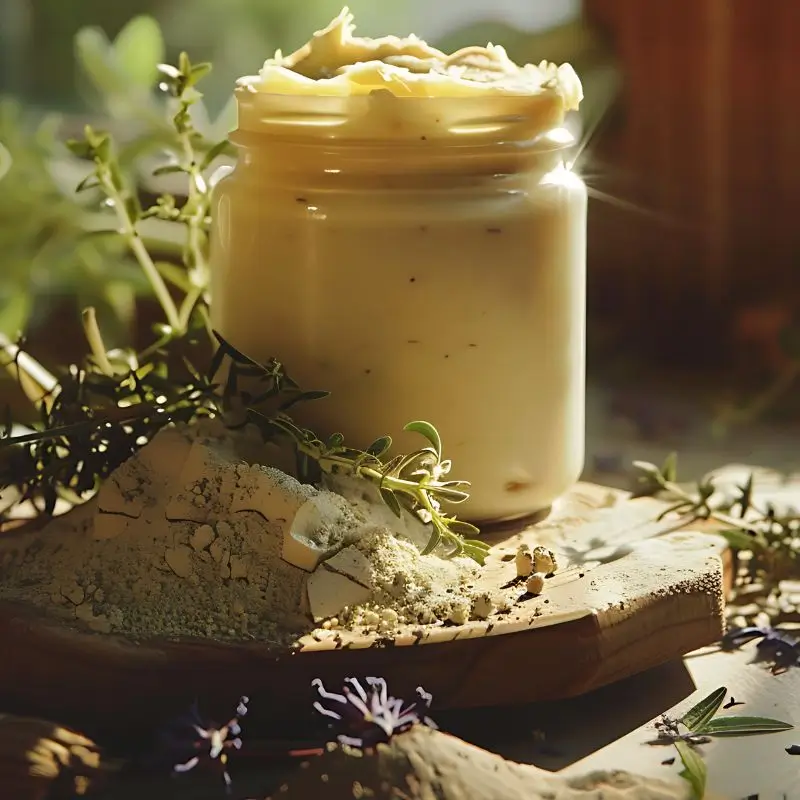
Natural Haircare Recipes
Discover natural hair care recipes made with herbs, botanical oils, butters, and essential oils. This collection includes practical formulations such as hair sprays, scalp oils, herbal rinses, hair serums, and nourishing treatments designed to support healthy-looking hair and scalp care.
Each recipe is easy to follow and can be adapted for different hair types, helping you create simple plant-based hair care for everyday routines, self-care rituals, and home beauty recipes.
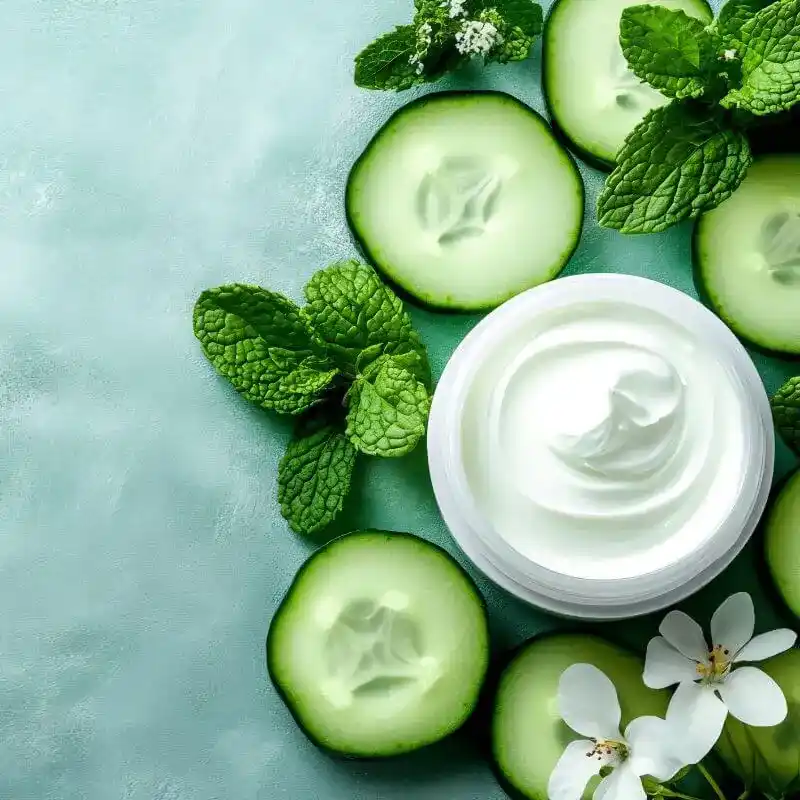
Skincare Recipes
Explore natural skincare recipes made with nourishing oils, butters, herbs, and essential oils. This collection includes simple, practical formulations such as balms, salves, face oils, and body butters designed to support healthy-looking skin.
Each recipe is easy to follow and can be adapted for different skin types, helping you create gentle, plant-based skincare for everyday use.
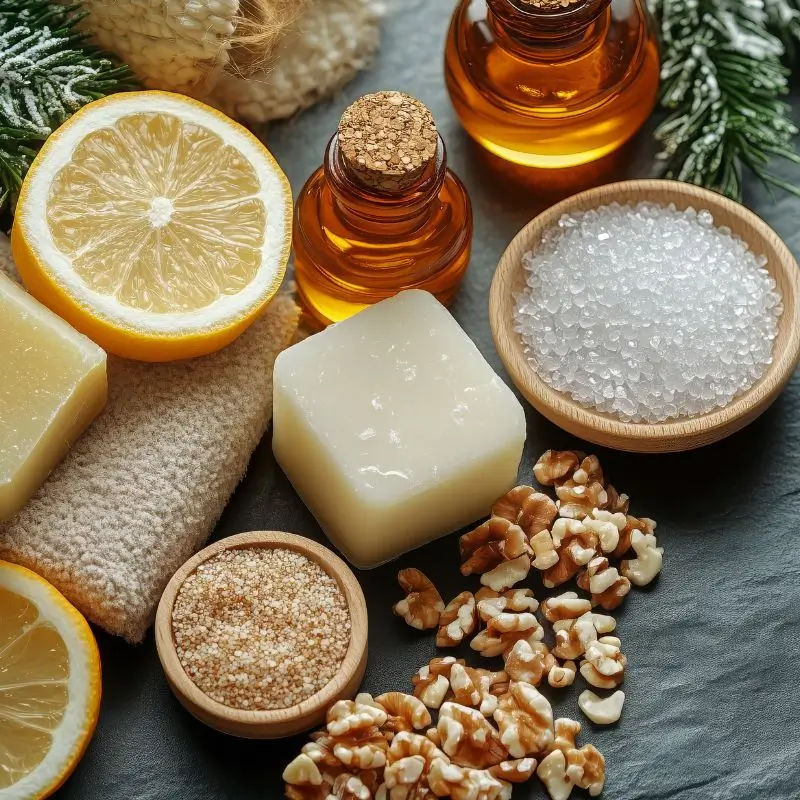
Bath and Body Recipes
Discover DIY bath and body recipes made with herbs, oils, butters, salts, and essential oils. This collection includes bath soaks, body oils, scrubs, shower steamers, and simple self-care recipes for everyday routines.
Each recipe is designed to be practical and customizable, helping you create natural bath and body products using plant-based ingredients and approachable methods.
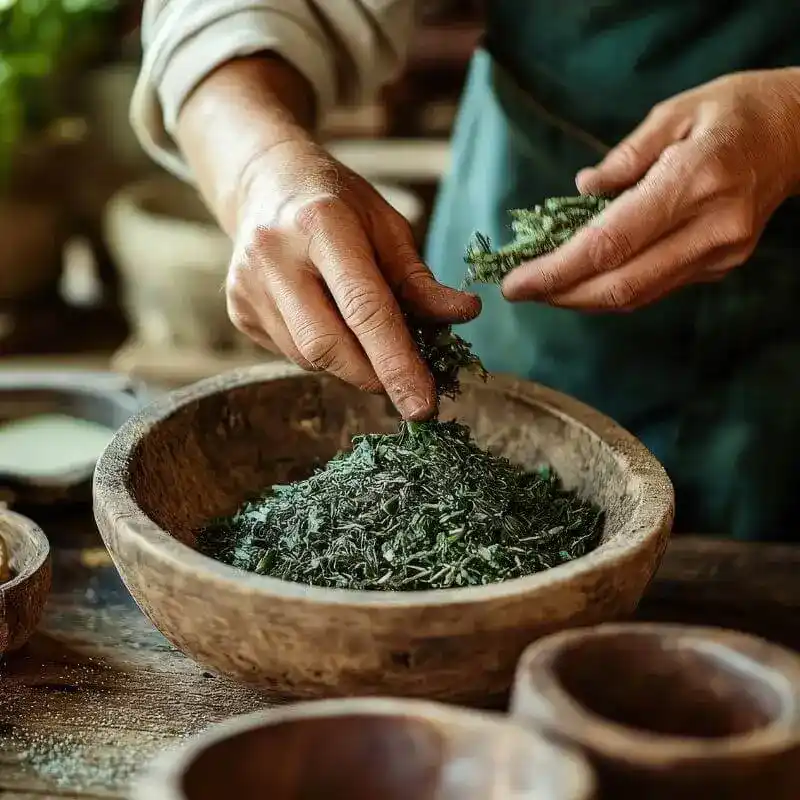
Herbal Recipes
Discover simple herbal recipes using dried and fresh herbs, including teas, infused oils, syrups, and traditional preparations. These recipes focus on whole-plant use and time-tested methods that are easy to make at home.
From calming herbal teas to infused oils, this collection helps you get the most from natural ingredients in a practical and accessible way.

Wellness Remedies
Explore natural wellness remedies designed to support everyday wellbeing using herbs, essential oils, and plant-based ingredients. This collection includes balms, teas, oils, and blends created to complement relaxation, comfort, and seasonal routines.
These remedies focus on common needs such as sleep, stress, and general wellbeing, using simple, easy-to-make preparations.
What Are Herbal Remedies?
A herbal remedy is a preparation made from plant materials such as leaves, flowers, roots, bark, or seeds. These preparations are traditionally used to support the body in various ways, depending on the herbs included.
Herbal remedies may be made using fresh or dried herbs and are often prepared with water, alcohol, oils, or other natural ingredients to extract the beneficial compounds from the plant.
Many remedies combine herbs with complementary properties, creating balanced blends that have been used in traditional herbal practices for generations.
Common Types of Herbal Remedies
Herbal remedies can take many different forms depending on how the plant material is prepared. Some of the most common traditional preparations include teas, tinctures, salves, creams, and compresses.
Herbal Teas and Infusions
Herbal teas are one of the simplest and most widely used forms of herbal remedy. They are made by steeping herbs in hot water to extract their beneficial compounds.
Infusions are similar to teas but are usually steeped for a longer period of time to extract more of the plant’s properties. Many gentle herbs such as chamomile, peppermint, and lemon balm are traditionally prepared this way.
Decoctions
A decoction is made by simmering tougher plant materials such as roots, bark, or seeds in water. This method helps extract compounds that may not release easily through simple steeping.
Roots such as ginger, licorice, or dandelion are often prepared as decoctions in traditional herbal preparations.
Tinctures
Tinctures are concentrated herbal extracts made using alcohol or glycerin. The plant material is soaked in the liquid for several weeks, allowing the beneficial compounds to be extracted and preserved.
Tinctures are commonly used because they have a long shelf life and require only small amounts to be taken.
Herbal Balms and Salves
Balms and salves are topical preparations made by infusing herbs into oils and combining them with natural waxes. These remedies are applied directly to the skin and have traditionally been used to support skin comfort and minor irritations.
Calendula, comfrey, and plantain are examples of herbs that are often used in traditional topical preparations.
Herbal Creams
Creams are similar to balms but contain both oil and water components, creating a lighter texture that absorbs easily into the skin. Herbal creams are commonly used in natural skincare preparations.
Compresses and Poultices
Compresses and poultices involve applying herbs directly to the skin, either wrapped in cloth or mashed into a paste. These methods have been used traditionally to provide localized support and comfort.
Herbs and Essential Oils in Remedies
Many remedies combine whole herbs with essential oils or infused oils. While herbs provide a broad range of plant compounds, essential oils contribute concentrated aromatic components that may enhance the preparation.
For example, a topical balm may include herbal infusions such as calendula or comfrey alongside small amounts of essential oils such as lavender or tea tree.
Combining herbs and essential oils allows remedies to take advantage of both traditional herbal preparations and aromatic plant extracts.
Exploring Natural Remedies
This section of the site will gradually expand to include detailed pages for individual herbal remedies. Each page will explore the ingredients, preparation methods, and traditional uses associated with the remedy.
Examples of remedies that may appear in this section include herbal teas, infused oils, balms, creams, tinctures, and other traditional plant-based preparations.
Over time, these remedies will be organized by preparation type, allowing visitors to easily browse recipes and learn about different traditional herbal preparations.
Safety Considerations
While herbs have a long history of traditional use, they should always be used responsibly. Some herbs may interact with medications or may not be suitable for certain individuals.
When exploring herbal remedies it is important to:
• use reliable sources of information
• follow appropriate preparation methods
• consult a qualified professional when necessary
Herbal remedies should be viewed as part of a balanced approach to wellbeing rather than as substitutes for professional medical advice.