Sweet Flag Uses & Safety (Acorus calamus)

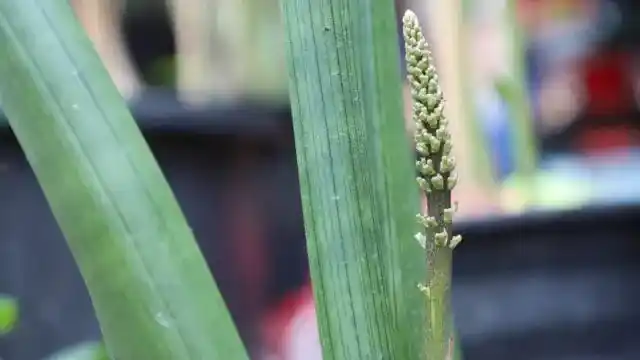
Sweet flag (Acorus calamus) is a wetland perennial in the Acoraceae family with sword-like leaves and a strongly aromatic rhizome. It is native to parts of Asia and Europe and has become naturalized in other regions, especially in damp ground and marshy areas.

In traditional herbal practice, the rhizome is the part most often dried and prepared. Sweet flag has been used in older bitters, decoctions, powders, and aromatic herbal preparations and is noted for its pungent, warming, spicy character.

Sweet flag is not a true grass, even though its leaves are grass-like, and it is especially associated with marshes, pond edges, and wet soils.

Sweet Flag Benefits and Traditional Uses

Sweet flag has traditionally been used to support:

  • Traditional bitter and aromatic preparations
  • Older digestive bitters and chewing root use
  • Rhizome decoctions and powders
  • Household aromatic herb use
  • Classical warming herbal formulas

Historically, sweet flag rhizome was widely valued in older European and Asian herbal traditions for its strongly aromatic and bitter qualities.

“Sweet flag has long been recognized as a pungent marsh herb with a notable place in older bitter herb traditions.”

“Sweet flag has long been known as a powerful aromatic rhizome of marshy places and was used with notable caution in older herbal practice.”

— Traditional herbal reference

Sweet Flag Preparation Methods

Sweet flag can be prepared in several traditional ways:


Decoction

The dried rhizome may be simmered gently in water to make a traditional decoction.

Part of the plant used: Rhizome

Powder

The dried rhizome may be powdered for traditional use in very small amounts.

Part of the plant used: Rhizome

Tincture

Sweet flag rhizome may be prepared as a tincture or concentrated extract.

Part of the plant used: Rhizome

Chewed Rhizome

Pieces of dried rhizome were historically chewed in older traditions for their strongly aromatic taste.

Part of the plant used: Rhizome


Growing Sweet Flag

Sweet flag is a moisture-loving perennial that grows in marshes, pond margins, and wet soils. It forms fans of sword-like leaves from creeping rhizomes and spreads steadily in suitable conditions.

  • Prefers full sun to partial shade
  • Grows best in consistently moist to wet soil or shallow water margins
  • Hardy in USDA zones 4-10 depending on strain and climate
  • Well suited to wetland gardens, rain gardens, and pond edges in the United States
  • Requires constant moisture and should not be allowed to dry out for long periods

Sweet flag can spread by rhizomes in wet sites and may form dense patches, though it is not usually treated as a major invasive weed in managed gardens. Good moisture is the key requirement for successful growth.

Sweet flag grows naturally in wetland environments such as marshes, pond edges, and slow-moving waterways. It is widely found in the United States, where both native and introduced species occur, particularly in consistently moist or waterlogged soils. In the United States, sweet flag includes both the native American species (Acorus americanus) and the introduced Eurasian species (Acorus calamus), which differ slightly in their characteristics.

While both species are closely related, they are not always considered interchangeable, and the native American sweet flag (Acorus americanus) is generally preferred in North American herbal contexts.



Safety Considerations

Sweet flag has a long history of traditional use, however it is one of the herbs that requires particular caution.

However:

  • Different types of sweet flag vary chemically, and some traditional sources note significant safety concerns with internal use of certain forms.
  • The Eurasian species (Acorus calamus) differs from the native American species (Acorus americanus), and they are not always considered interchangeable in modern herbal contexts.
  • Concentrated internal use of sweet flag is not considered appropriate without expert guidance.
  • The strongly aromatic rhizome may cause digestive irritation or nausea in some individuals.
  • Pregnant or breastfeeding individuals should avoid internal use unless advised by a qualified healthcare professional.
  • Only correctly identified Acorus calamus rhizome should be used, as wetland plants can be confused in the field.
  • Because of the cautions surrounding internal use, sweet flag is often discussed more carefully than many common household herbs.

This information is provided for educational purposes only and is not medical advice.

Image Disclaimer: Images are for reference only and should not be used as the sole method of identification. Always confirm identification with a qualified source.
Frequently Asked Questions
What is sweet flag used for?

Sweet flag is traditionally used for its aromatic rhizome in older bitters, decoctions, powders, and household herbal preparations.

What part of sweet flag is used?

The rhizome is the main part used. It is strongly aromatic and is the traditional herbal material.

Is sweet flag a marsh plant?

Yes. Sweet flag is a wetland perennial that grows in marshes, pond edges, and consistently damp soil.

How is sweet flag prepared?

It has traditionally been prepared as a decoction, tincture, powder, or dried rhizome piece, though internal use requires caution.

Can sweet flag grow in the United States?

Yes. Sweet flag can grow in wetland gardens and damp areas of the United States, especially in USDA zones 4-10.

Are there safety concerns with sweet flag?

Yes. Sweet flag is one of the herbs that requires particular caution because internal use is not considered suitable without expert guidance.

Sweet Flag Health Benefits and Traditional Uses

Help Us Improve the Sweet Flag Page

Do you grow, photograph, study, or work with this plant?

If you have an accurate photo, growing experience, traditional use note, identification detail, correction, or useful source to share, we would love to hear from you.

Your contribution may help improve the accuracy, usefulness, and educational value of this page for other readers.


Share a photo, correction, or plant note →

Botanical Overview

  • Botanical name: Acorus calamus
  • Family: Acoraceae
  • Plant type: Root plant
  • Native region: Asia and Europe
  • Common names: Calamus, sweet rush, beewort