

Rhodiola Benefits & Uses (Rhodiola rosea)

Rhodiola is a hardy perennial herb known botanically as Rhodiola rosea, a member of the Crassulaceae family native to arctic and mountainous regions of Europe, Asia, and North America. It has fleshy leaves, yellowish flowers, and a thick root that is the part traditionally used.

In traditional northern and Eurasian herbal practice, rhodiola root has been valued as a tonic herb associated with stamina, resilience, and adaptation to harsh climates. It is most commonly prepared as a tincture, decoction, extract, or powder.

The root is notable for its faint rose-like fragrance when freshly cut, which is reflected in the species name rosea.

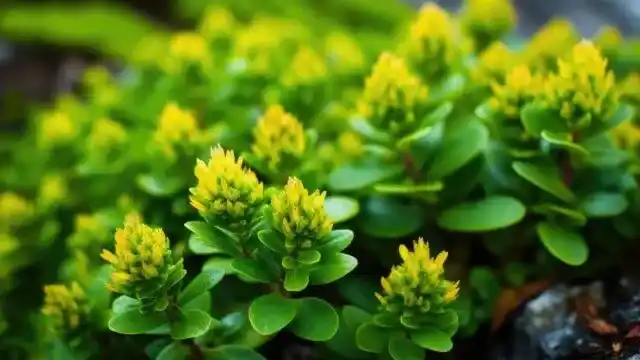
Rhodiola Benefits and Traditional Uses

Rhodiola has traditionally been used to support:

  • Traditional stamina and resilience support
  • Tonic formulas for demanding climates
  • Adaptogenic-style herbal preparations
  • Tinctures and extracts in northern traditions
  • General vitality formulas

Historically, rhodiola has been used in northern and mountain regions where tonic herbs were valued for endurance, hardiness, and adaptation to environmental stress.

“Rhodiola was long valued in cold northern regions as a hardy root for strength and endurance.”

“Rhodiola was long valued in cold northern regions as a hardy root for strength and endurance.”

— Traditional northern herbal reference

Rhodiola Preparation Methods

Rhodiola can be prepared in several traditional ways:


Tincture

Rhodiola root is commonly prepared as a tincture in modern and traditional tonic herbal practice.

Part of the plant used: Root

Decoction

The dried root may be simmered gently to prepare a traditional decoction.

Part of the plant used: Root

Powder

Rhodiola root may be dried and powdered for capsules or blended formulas.

Part of the plant used: Root

Extract

Concentrated extracts are also made from the root for tonic use.

Part of the plant used: Root


Growing Rhodiola

Rhodiola is a cold-hardy perennial adapted to alpine and northern climates, where it grows in rocky, well-drained conditions.

  • Prefers full sun in cool climates or light protection in hotter areas
  • Grows best in gritty, well-drained soil and dislikes winter waterlogging
  • Commonly suited to colder USDA zones such as 3-7, depending on drainage and summer heat
  • Best grown in cooler northern or mountain regions of the United States

Rhodiola prefers cool summers and excellent drainage, which can make it challenging in humid, hot climates. It is often better suited to rock gardens or raised beds in colder regions.


Safety Considerations

Rhodiola has a long history of traditional use, however stimulating tonic herbs may not suit everyone equally.

However:

  • Some individuals may feel overstimulated, restless, or experience sleep disruption if rhodiola is used inappropriately or late in the day.
  • People sensitive to stimulating herbs or caffeine-like products should begin cautiously.
  • Individuals taking mood-related medications or other prescription drugs should seek professional advice before regular use.
  • Because rhodiola is often used as a concentrated extract, dosage differences between products should be considered carefully.
  • Pregnant or breastfeeding individuals should consult a qualified healthcare professional before using rhodiola products.
  • Always consult a qualified healthcare professional before using herbs for health purposes.

This information is provided for educational purposes only and is not medical advice.

Image Disclaimer: Images are for reference only and should not be used as the sole method of identification. Always confirm identification with a qualified source.
Frequently Asked Questions
What is rhodiola traditionally used for?

Rhodiola has traditionally been used as a tonic herb for stamina, resilience, and vitality, especially in northern and mountain regions.

What part of rhodiola is used?

The root is the part traditionally used in herbal preparations.

How is rhodiola prepared?

Rhodiola is commonly prepared as a tincture, decoction, powder, or concentrated extract from the dried root.

Can rhodiola grow in the United States?

Yes. Rhodiola can grow in cooler parts of the United States, especially in colder USDA zones with excellent drainage and milder summers.

Why is rhodiola called rose root?

Rhodiola rosea is sometimes called rose root because the freshly cut root may have a faint rose-like scent.

Are there safety concerns with rhodiola?

Rhodiola is generally used as a tonic herb, but some people may find it too stimulating or may need guidance if they take prescription medications.

Rhodiola Benefits and Medicinal Uses

Help Us Improve the Rhodiola Page

Do you grow, photograph, study, or work with this plant?

If you have an accurate photo, growing experience, traditional use note, identification detail, correction, or useful source to share, we would love to hear from you.

Your contribution may help improve the accuracy, usefulness, and educational value of this page for other readers.


Share a photo, correction, or plant note →

Botanical Overview

  • Botanical name: Rhodiola rosea
  • Family: Crassulaceae
  • Plant type: Root herb
  • Native region: Arctic and mountainous regions of Europe, Asia, and North America
  • Common names: Golden root, rose root, arctic root