
Dong Quai Benefits & Uses (Angelica sinensis)

Dong Quai (Angelica sinensis) is a perennial herb in the Apiaceae family that is native to China and other parts of East Asia. It is traditionally valued for root and is known for a perennial herb whose aromatic root has a long history in East Asian herbal traditions.

Traditionally, dong quai root has been used in decoctions, soups, powders, and compound formulas within Chinese herbal practice. It is especially well known in traditional women’s herbal preparations and broader restorative formulas.

The root is aromatic and warming, and it is usually dried before use. Dong quai is considered one of the most important traditional roots in East Asian herbal systems.

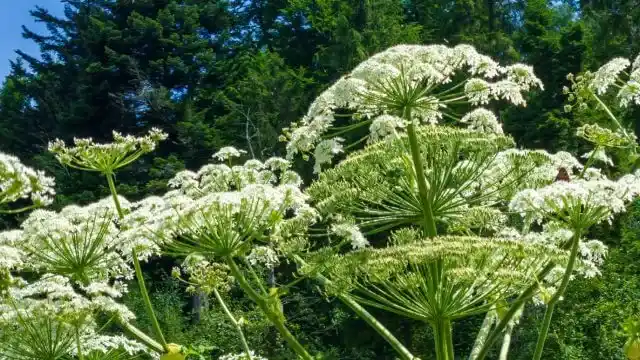
Dong Quai Benefits and Traditional Uses

Dong Quai has traditionally been used to support:

  • Traditional women’s formulas
  • Root decoctions
  • Tonic soups and broths
  • East Asian compound formulas
  • Restorative herbal preparations

Historically, dong quai has been regarded as one of the major roots of traditional Chinese herbalism. It is most often used as part of complex formulas rather than as a simple standalone home herb.

“Dong quai has been valued for centuries as a foundational root in traditional East Asian herbal practice.”

— Traditional Chinese herbal reference

Dong Quai Preparation Methods

Dong Quai can be prepared in several traditional ways:


Decoction

Dried dong quai root is commonly simmered to prepare a traditional herbal decoction.

Part of the plant used: Root

Soup or Broth

The sliced root may be added to soups and slow-cooked broths in traditional East Asian use.

Part of the plant used: Root

Powder

The dried root may be powdered for capsules or formula blends.

Part of the plant used: Root

Tincture

Dong quai root may be prepared as a traditional liquid extract.

Part of the plant used: Root


Growing Dong Quai

Dong quai is a perennial herb that prefers cooler conditions, rich soil, and reliable moisture. It can be challenging in hot, humid areas but does well in temperate gardens with some protection.

  • Prefers full sun in cool climates or light shade in warmer areas
  • Grows best in rich, moist, well-drained soil
  • Needs consistent water during active growth
  • Generally suited to USDA zones 4–9 in cooler temperate parts of the United States

Hot summer stress can reduce plant vigor, so mulch and consistent moisture are helpful. The root is usually harvested from mature plants rather than from first-year seedlings.


Safety Considerations

This herb has a long history of traditional use, however it is one of the roots most often associated with important safety considerations and interactions.

However:

  • Dong quai may increase sensitivity to sunlight in some individuals, particularly with concentrated internal use.
  • This herb may influence blood clotting and could interact with anticoagulant or antiplatelet medications.
  • Because it is traditionally used in women’s herbal formulas, pregnancy use should be approached with particular caution unless advised by a qualified practitioner.
  • Individuals with hormone-sensitive conditions should seek professional advice before using concentrated preparations.
  • Digestive discomfort may occur with strong doses or extracts.
  • Always consult a qualified healthcare professional before using dong quai alongside prescription medication.

This information is provided for educational purposes only and is not medical advice.

Image Disclaimer: Images are for reference only and should not be used as the sole method of identification. Always confirm identification with a qualified source.
Frequently Asked Questions
What is dong quai traditionally used for?

Dong quai is traditionally used in East Asian herbal practice, especially in women's formulas, decoctions, and restorative root preparations. It is one of the best-known roots in Chinese herbal traditions.

What part of dong quai is used?

The root is the main part used. It is commonly sliced and dried before being made into decoctions, powders, tinctures, or soups.

Is dong quai the same as angelica?

Dong quai is commonly called Chinese angelica because it belongs to the genus Angelica. It is not the same herb as European angelica, although the plants are related.

Can dong quai grow in the United States?

Dong quai can grow in temperate parts of the United States, especially cooler areas with rich soil and reliable moisture. It is less suited to very hot climates.

How is dong quai prepared?

Dong quai is traditionally prepared as a decoction, soup ingredient, powder, or tincture. In Chinese herbal practice it is frequently used in compound formulas.

Does dong quai have side effects?

Yes. Dong quai may interact with blood-thinning medication and may increase sensitivity to sunlight in some individuals. It should be used thoughtfully.

Dong Quai Benefits and Traditional Uses

Help Us Improve the Dong Quai Page

Do you grow, photograph, study, or work with this plant?

If you have an accurate photo, growing experience, traditional use note, identification detail, correction, or useful source to share, we would love to hear from you.

Your contribution may help improve the accuracy, usefulness, and educational value of this page for other readers.


Share a photo, correction, or plant note →

Botanical Overview

  • Botanical name: Angelica sinensis
  • Family: Apiaceae
  • Plant type: Root herb
  • Native region: China and other parts of East Asia
  • Common names: Dong quai, female ginseng, Chinese angelica