

Kava Uses & Safety (Piper methysticum)

Kava is a perennial tropical shrub known botanically as Piper methysticum, a member of the Piperaceae family native to the Pacific Islands. It has heart-shaped leaves and knobby underground parts, and the peeled root and rhizome are the portions traditionally used.

In Pacific Island traditions, kava has a long history as a ceremonial and social beverage prepared from the root. In modern herbal use it is often associated with relaxation-focused preparations, although its traditional cultural role is central to understanding the plant.

Kava is one of the herbs that carries important modern safety discussion, especially regarding concentrated extracts and liver considerations.

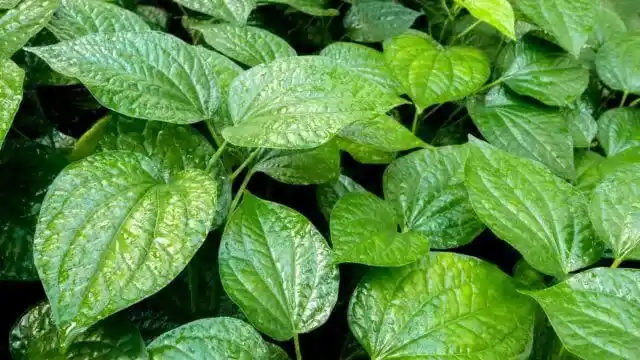
Kava Benefits and Traditional Uses

Kava has traditionally been used to support:

  • Ceremonial and social drinks in Pacific Island cultures
  • Relaxation-focused traditional preparations
  • Calming evening beverages
  • Traditional hospitality and community gatherings
  • Root-based drinks and powders

Historically, kava has been deeply rooted in Pacific Island cultural traditions, where it has been used in ceremonial, social, and communal settings for generations.

“Kava is more than a herb; in the Pacific it is a plant of ceremony, community, and tradition.”

“Kava has long held an honored place in Pacific ceremonial life and traditional hospitality.”

— Traditional Pacific Island cultural reference

Kava Preparation Methods

Kava can be prepared in several traditional ways:


Traditional Drink

The peeled root and rhizome may be ground and mixed with water to create the traditional kava beverage.

Part of the plant used: Root and rhizome

Powder

Dried kava root may be prepared as a powder for traditional drink making.

Part of the plant used: Root and rhizome

Capsule or Extract

Modern herbal products may use dried root extract, although these concentrated forms are not the same as traditional aqueous preparations.

Part of the plant used: Root and rhizome


Growing Kava

Kava is a tropical shrub that grows best in warm, humid, frost-free conditions and is usually cultivated from stem cuttings rather than seed.

  • Prefers partial shade to filtered sun in hot climates
  • Grows best in rich, moist, well-drained soil with regular humidity
  • Suitable only for frost-free parts of the United States, generally USDA zones 10-12
  • Best grown in tropical or protected subtropical environments

Kava requires warmth year-round and is not suited to cold winters. In the continental United States it is mostly a specialty tropical plant rather than a common garden herb.


Safety Considerations

Kava has a long history of traditional use, however modern concentrated products require particular caution because of liver safety concerns.

However:

  • Kava may cause drowsiness and should not be combined casually with alcohol or other strongly sedating substances.
  • Concentrated extracts and non-traditional preparations have been associated with liver safety concerns in some reports.
  • Individuals with liver conditions or those taking medications that affect the liver should use caution and seek professional guidance.
  • Kava may not be appropriate before driving or operating machinery because of its relaxing effects.
  • Pregnant or breastfeeding individuals should avoid internal use unless specifically advised by a qualified healthcare professional.
  • Always consult a qualified professional before using herbs for health purposes.

This information is provided for educational purposes only and is not medical advice.

Image Disclaimer: Images are for reference only and should not be used as the sole method of identification. Always confirm identification with a qualified source.
Frequently Asked Questions
What is kava traditionally used for?

Kava has traditionally been used as a ceremonial and social beverage in Pacific Island cultures. In modern herbal discussions it is often associated with relaxation-focused preparations.

What part of kava is used in herbal preparations?

The peeled root and rhizome are the parts traditionally used. These are ground and mixed with water or used in other root-based products.

How is kava prepared?

Kava is traditionally prepared as a water-based drink made from the ground root. Modern products may also use powders, capsules, or extracts.

Can kava grow in the United States?

Kava can be grown only in frost-free tropical or subtropical parts of the United States. It prefers warmth, humidity, and protection from cold.

Why is kava culturally important?

Kava has long been used in Pacific ceremonies, hospitality, and community gatherings. Its cultural role is an important part of understanding the plant.

Are there safety concerns with kava?

Yes. Kava may cause drowsiness, and concentrated products have raised liver safety concerns. It should be approached carefully, especially alongside alcohol, sedatives, or liver-related medications.

Kava Benefits and Uses

Help Us Improve the Kava Page

Do you grow, photograph, study, or work with this plant?

If you have an accurate photo, growing experience, traditional use note, identification detail, correction, or useful source to share, we would love to hear from you.

Your contribution may help improve the accuracy, usefulness, and educational value of this page for other readers.


Share a photo, correction, or plant note →

Botanical Overview

  • Botanical name: Piper methysticum
  • Family: Piperaceae
  • Plant type: Shrub
  • Native region: Pacific Islands
  • Common names: Kava, kava kava, ava