

Shatavari Benefits & Uses (Asparagus racemosus)

Shatavari (Asparagus racemosus) is a climbing perennial plant in the asparagus family (Asparagaceae) native to India and other parts of Asia. It has fine fern-like growth, small flowers, and tuberous roots, which are the part most commonly harvested for traditional herbal use.

In Ayurvedic practice, shatavari root has long been included in nourishing and restorative formulas. The root is commonly dried, powdered, or cooked into decoctions and is often used as part of broader traditional tonic preparations.

Despite being related to asparagus, shatavari is valued in herbal traditions for its root rather than as a common vegetable crop.

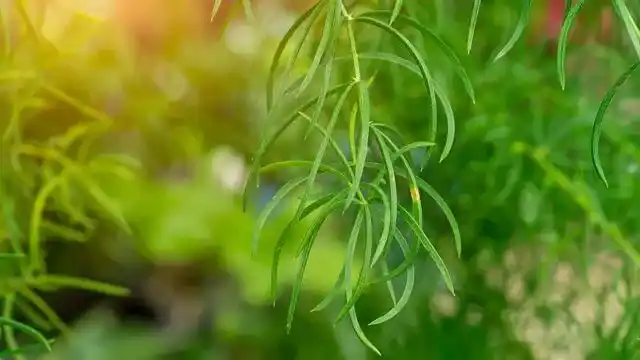
Shatavari Benefits and Traditional Uses

Shatavari has traditionally been used to support:

  • Traditional Ayurvedic tonic formulas
  • Root powders and decoctions
  • Preparations associated with nourishment and balance
  • Classical restorative herbal blends
  • General vitality support in traditional practice

Historically, shatavari has been one of the better-known root herbs in Ayurveda, where it is commonly prepared as a powder, decoction, or blended formulation.

In traditional Ayurvedic practice, shatavari is widely regarded as a nourishing tonic herb and is often associated with supporting female vitality and balance. Its name is commonly interpreted as “one hundred roots” or “the woman with a hundred husbands,” reflecting its historical association with reproductive health, nourishment, and overall vitality. Hence “Shatavari root has long been regarded as an important nourishing herb in traditional Ayurvedic systems.”

“Shatavari root has long been valued in Ayurveda as a nourishing herb prepared in powders, decoctions, and traditional tonic formulas.”

— Ayurvedic herbal reference

Shatavari Preparation Methods

Shatavari can be prepared in several traditional ways:


Decoction

The dried root may be simmered in water to prepare a traditional decoction.

Part of the plant used: Root

Powder

Shatavari root is commonly dried and powdered for use in traditional formulas.

Part of the plant used: Root

Milk Preparation

The powdered root may be blended into warm milk or similar nourishing traditional preparations.

Part of the plant used: Root

Capsule or Extract

Modern preparations often use powdered root or concentrated extracts in capsule form.

Part of the plant used: Root


Growing Shatavari

Shatavari is a warm-climate climbing perennial with fine foliage and underground tuberous roots. It grows best where temperatures are mild to warm for much of the year.

  • Prefers full sun to light partial shade
  • Grows best in sandy or well-drained loamy soil
  • Requires regular moisture during establishment but dislikes poorly drained conditions
  • Usually best suited to USDA zones 9-11 in the United States
  • Can be grown in containers or protected settings in cooler climates

Shatavari is not generally considered a weed in the United States. In colder areas it may need frost protection or container growing because it does not tolerate hard freezes well.


Safety Considerations

Shatavari has a long history of traditional use, however concentrated root products should still be used thoughtfully.

However:

  • Individuals with allergies to asparagus or related plants should use caution.
  • Shatavari may cause mild digestive discomfort in some individuals, especially when used in larger amounts.
  • Because it is often used in tonic-style preparations, those with hormone-sensitive conditions or prescription medications should seek professional guidance before use.
  • Pregnant or breastfeeding individuals should consult a qualified healthcare professional before using concentrated extracts.
  • Only correctly identified root material should be used in herbal preparations.
  • Individuals with chronic health conditions should consult a qualified healthcare professional before regular internal use.

This information is provided for educational purposes only and is not medical advice.

Image Disclaimer: Images are for reference only and should not be used as the sole method of identification. Always confirm identification with a qualified source.
Frequently Asked Questions
What is shatavari used for?

Shatavari is traditionally used in Ayurvedic tonic formulas associated with nourishment, balance, and general vitality.

What part of shatavari is used?

The tuberous root is the part most commonly dried, powdered, and prepared in traditional herbal practice.

How is shatavari prepared?

Shatavari is often prepared as a powder, decoction, capsule, or in warm milk-style traditional recipes.

Is shatavari related to asparagus?

Yes. Shatavari belongs to the asparagus family, although it is used as an herbal root rather than as a common vegetable.

Can shatavari grow in the United States?

It can grow in warmer parts of the United States, especially in USDA zones 9-11, and may be grown in containers elsewhere.

Are there safety concerns with shatavari?

Yes. People with asparagus allergies, digestive sensitivity, or existing health concerns should use concentrated shatavari products with care.

Shatavari Health Benefits and Traditional Uses

Help Us Improve the Shatavari Page

Do you grow, photograph, study, or work with this plant?

If you have an accurate photo, growing experience, traditional use note, identification detail, correction, or useful source to share, we would love to hear from you.

Your contribution may help improve the accuracy, usefulness, and educational value of this page for other readers.


Share a photo, correction, or plant note →

Botanical Overview

  • Botanical name: Asparagus racemosus
  • Family: Asparagaceae
  • Plant type: Root herb
  • Native region: India and Asia
  • Common names: Wild asparagus, satavari