

Plants A–Z: Medicinal & Botanical Guide
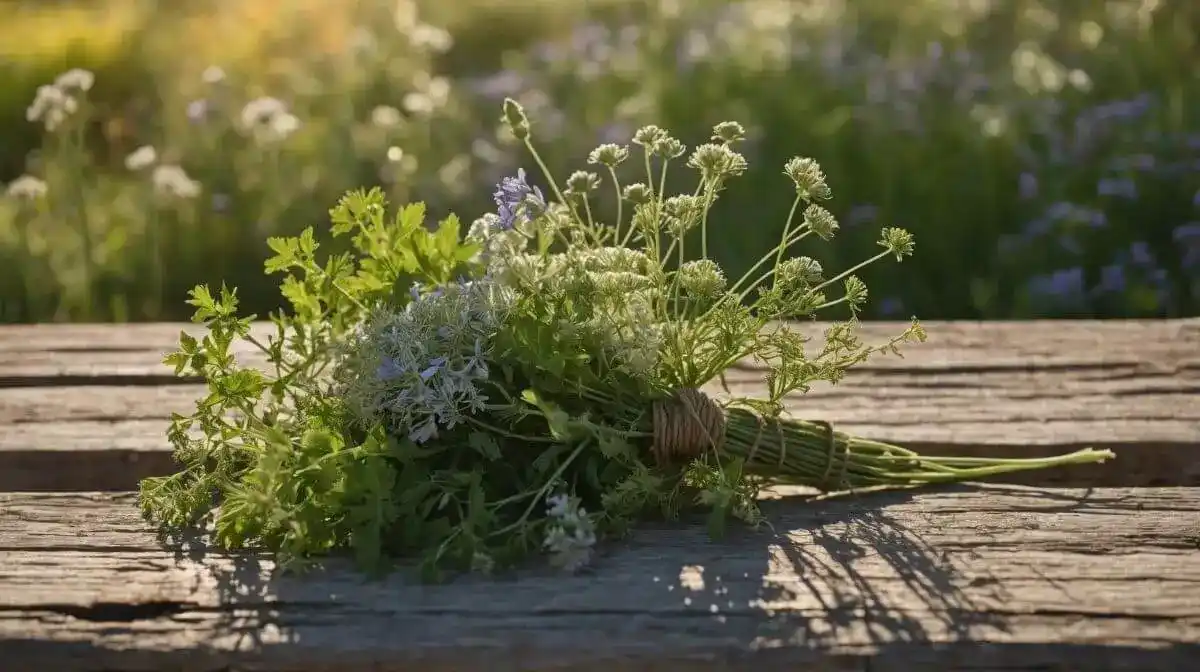
We are building a comprehensive database of plant profiles on Flowers and Herbs. This will be followed by detailed essential oil information and, finally, remedies to help you learn how to use plants and essential oils for overall well-being.
Plants A–Z: Medicinal & Culinary Plants Guide
We are currently developing detailed plant profiles covering traditional uses, preparation methods, safety considerations, and current research. New herb guides are added regularly as we build this comprehensive A–Z botanical resource.
Explore our growing collection of medicinal and culinary herbs used in traditional and modern herbal practices. Each herb profile provides clear, research-informed information about traditional uses, preparation methods, safety considerations, and botanical background.
Whether you’re interested in herbal teas, plant-based remedies, or learning more about the history and science behind medicinal plants, this A–Z guide is designed to help you better understand the role of herbs in natural wellness.
Browse Plants by Type
Herbs
Herbs are among the most widely used plants in traditional and modern herbal practices, valued for their leaves, stems, and natural compounds used in teas, tinctures, and culinary

Flowers
Flowering plants are prized for their beauty, fragrance, and traditional uses in herbal preparations, including teas, oils, and skincare applications.
Fruits
View all Fruits
Fruits provide natural nutrients and plant compounds and have long been used in both food and traditional herbal practices for overall wellness.
Shrubs
Shrubs are woody plants that produce leaves, berries, and flowers used in both traditional herbal practices and modern plant-based applications.

Fungus
Fungi, including medicinal mushrooms, have been used for centuries in traditional systems for their unique properties and are now widely studied for their role in wellness.

Roots
Roots are commonly used in herbal preparations, often valued for their concentrated plant compounds and traditional use in teas, decoctions, and extracts.

Trees
Trees provide bark, leaves, fruits, and resins that have been used for centuries in herbal traditions and natural wellness practices.

Seaweed
Seaweeds are marine plants rich in minerals and have been traditionally used in coastal cultures for nutrition, herbal preparations, and natural remedies.

Succulent
Succulents are water-storing plants known for their resilience and are commonly used in skincare, traditional remedies, and natural plant-based formulations.
What You’ll Find in Each Plant Profile
Each plant page will include:
- Botanical name and plant family
- Traditional and historical uses
- Skin and topical applications
- Tea, infusion, and decoction preparation
- Culinary uses (when applicable)
- Growing information
- Safety considerations and contraindications
- Overview of current research
- Guidance on sourcing quality herbs
New herb profiles are added regularly as our botanical reference library continues to expand.
About Medicinal Herbs
Medicinal herbs have been used for centuries across cultures to support skin health, digestion, sleep, immune function, and overall well-being. Understanding how herbs are traditionally prepared and used — along with proper safety considerations — is essential for informed herbal practice.
This guide is intended for educational purposes and aims to provide balanced, easy-to-understand information about plant-based wellness.
Please check back soon as we continue building this comprehensive herbal resource.
Browse Plants by Type
Herbs
Herbs are among the most widely used plants in traditional and modern herbal practices, valued for their leaves, stems, and natural compounds used in teas, tinctures, and culinary
Flowers
Flowering plants are prized for their beauty, fragrance, and traditional uses in herbal preparations, including teas, oils, and skincare applications.
Fruits
View all Fruits
Fruits provide natural nutrients and plant compounds and have long been used in both food and traditional herbal practices for overall wellness.
Shrubs
Shrubs are woody plants that produce leaves, berries, and flowers used in both traditional herbal practices and modern plant-based applications.
Fungus
Fungi, including medicinal mushrooms, have been used for centuries in traditional systems for their unique properties and are now widely studied for their role in wellness.
Roots
Roots are commonly used in herbal preparations, often valued for their concentrated plant compounds and traditional use in teas, decoctions, and extracts.
Trees
Trees provide bark, leaves, fruits, and resins that have been used for centuries in herbal traditions and natural wellness practices.
Seaweed
Seaweeds are marine plants rich in minerals and have been traditionally used in coastal cultures for nutrition, herbal preparations, and natural remedies.
Succulent
Succulents are water-storing plants known for their resilience and are commonly used in skincare, traditional remedies, and natural plant-based formulations.
Plants A–Z: Medicinal & Culinary Plants Guide
We are currently developing detailed plant profiles covering traditional uses, preparation methods, safety considerations, and current research. New herb guides are added regularly as we build this comprehensive A–Z botanical resource.
Explore our growing collection of medicinal and culinary herbs used in traditional and modern herbal practices. Each herb profile provides clear, research-informed information about traditional uses, preparation methods, safety considerations, and botanical background.
Whether you’re interested in herbal teas, plant-based remedies, or learning more about the history and science behind medicinal plants, this A–Z guide is designed to help you better understand the role of herbs in natural wellness.
What You’ll Find in Each Plant Profile
Each plant page will include:
- Botanical name and plant family
- Traditional and historical uses
- Skin and topical applications
- Tea, infusion, and decoction preparation
- Culinary uses (when applicable)
- Growing information
- Safety considerations and contraindications
- Overview of current research
- Guidance on sourcing quality herbs
New herb and plant profiles are added regularly as our botanical reference library continues to expand.
Looking for a specific plant?
Browse the full Flowers, Herbs & Plants A–Z directory →About Medicinal Herbs
Medicinal herbs have been used for centuries across cultures to support skin health, digestion, sleep, immune function, and overall well-being. Understanding how herbs are traditionally prepared and used — along with proper safety considerations — is essential for informed herbal practice.
This guide is intended for educational purposes and aims to provide balanced, easy-to-understand information about plant-based wellness.