

Kutki Uses & Safety (Picrorhiza kurroa)

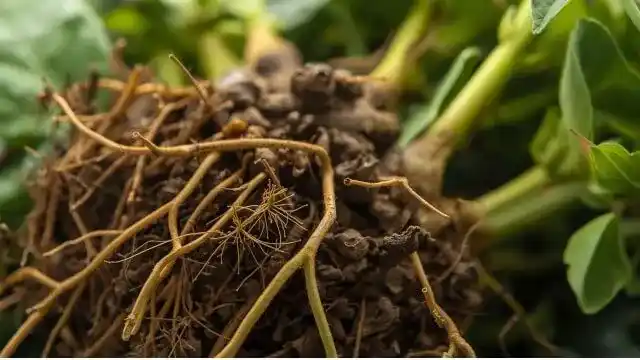
Kutki is a perennial alpine herb known botanically as Picrorhiza kurroa, a member of the Plantaginaceae family native to the Himalayan regions of India, Nepal, and Tibet. It forms low rosettes of leaves in mountainous terrain, and the rhizome is the part traditionally harvested for herbal use.

In Ayurvedic practice, kutki has long been valued as a bitter herb and included in traditional formulas. It is not a common culinary herb, and its reputation comes largely from specialist classical herbal systems rather than household food use.

Kutki grows in fragile mountain environments, and responsible sourcing is especially important because wild populations have been under pressure in some areas.

Kutki Benefits and Traditional Uses

Kutki has traditionally been used to support:

  • Classical Ayurvedic bitter formulas
  • Traditional digestive and liver-focused herbal practice
  • General cleansing and restorative blends
  • Rhizome-based powders and decoctions
  • Specialist mountain herbal preparations

Historically, kutki has been valued in Ayurvedic materia medica as a distinctly bitter alpine herb, and it is often referenced in more formal traditional formulations.

“Kutki is one of the notable bitter herbs of Ayurveda and has long been respected in classical formulas.”

“Kutki has long been regarded in Ayurveda as a notable bitter herb of the high mountains.”

— Traditional Ayurvedic herbal reference

Kutki Preparation Methods

Kutki can be prepared in several traditional ways:


Powder

The dried rhizome may be ground into powder for use in traditional formulas.

Part of the plant used: Rhizome

Decoction

Kutki rhizome may be simmered gently to prepare a bitter decoction.

Part of the plant used: Rhizome

Capsule

Modern herbal products may use kutki rhizome powder or extract in capsule form.

Part of the plant used: Rhizome


Growing Kutki

Kutki is a small alpine herb from cool Himalayan mountain environments and is not commonly cultivated in ordinary home gardens.

  • Prefers cool conditions and mountain-style environments rather than heat
  • Requires well-drained, humus-rich soil and reliable moisture without waterlogging
  • Not generally suited to most lowland climates in the United States
  • Would require specialty alpine or high-elevation conditions for successful cultivation

Kutki is difficult to grow outside its natural high-altitude environment. Because it is a slow-growing mountain herb, cultivated or responsibly sourced material is preferable where possible.


Safety Considerations

Kutki has a long history of traditional use, however concentrated bitter preparations should be used with care.

However:

  • Strong bitter herbs such as kutki may cause digestive irritation or loose stools in some individuals.
  • Concentrated preparations may not be appropriate for people with very sensitive digestion or active gastrointestinal discomfort.
  • Individuals taking medications processed by the liver should use caution with concentrated herbal products.
  • Pregnant or breastfeeding individuals should consult a qualified healthcare professional before using kutki internally.
  • As with many specialist Ayurvedic herbs, quality and correct identification are important.
  • Always consult a qualified professional before using herbs for health purposes.

This information is provided for educational purposes only and is not medical advice.

Image Disclaimer: Images are for reference only and should not be used as the sole method of identification. Always confirm identification with a qualified source.
Frequently Asked Questions
What is kutki traditionally used for?

Kutki has traditionally been used in Ayurvedic bitter and restorative formulas, especially where rhizome-based herbal preparations were valued. It is most closely associated with classical rather than casual herbal use.

What part of kutki is used in herbal preparations?

The rhizome is the traditional part used. It is usually dried and prepared as a powder, decoction, or capsule.

How is kutki prepared?

Kutki is commonly prepared as powdered rhizome, a decoction, or a capsule. Because it is a strongly bitter herb, it is usually used in measured amounts rather than as a simple kitchen tea.

Can kutki grow in the United States?

Kutki is difficult to grow in most parts of the United States because it is native to cool alpine Himalayan environments. It would require specialty conditions to grow well.

Why is kutki considered a bitter herb?

Kutki is known for the distinctly bitter taste of its rhizome. In traditional systems, strongly bitter herbs were often used in measured formulas rather than casual culinary preparations.

Are there safety concerns with kutki?

Yes. Strong bitter preparations may irritate sensitive digestion, and concentrated products should be used carefully. Quality, correct identification, and professional guidance are important.

Kutki Benefits and Traditional Uses

Help Us Improve the Kutki Page

Do you grow, photograph, study, or work with this plant?

If you have an accurate photo, growing experience, traditional use note, identification detail, correction, or useful source to share, we would love to hear from you.

Your contribution may help improve the accuracy, usefulness, and educational value of this page for other readers.


Share a photo, correction, or plant note →

Botanical Overview

  • Botanical name: Picrorhiza kurroa
  • Family: Plantaginaceae
  • Plant type: Root herb
  • Native region: Himalayan region of India, Nepal, and Tibet
  • Common names: Kutki, picrorhiza, kutki root