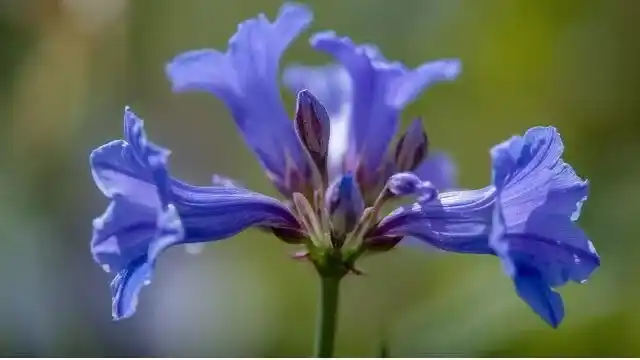
Gentian Benefits & Uses (Gentiana lutea)

Gentian (Gentiana lutea) is a plant in the Gentianaceae family traditionally used in herbal practices. This perennial herb herb is native to Central and Southern Europe and has been valued for centuries in traditional herbal preparations.

Historically, gentian has been included in herbal teas, tinctures, and traditional preparations. Different parts of the plant have been used depending on the herbal tradition and preparation method.

Gentian Benefits and Traditional Uses

Gentian has traditionally been used to support:

  • Digestive bitters and tonic preparations
  • Traditional herbal bitters blends
  • Herbal tonics taken before meals
  • Classic European digestive preparations
  • Traditional herbal beverages and infusions

Gentian has long been valued in European herbal traditions as one of the classic bitter herbs. The intensely bitter root has historically been included in traditional bitters formulas, herbal tonics, and digestive preparations where small amounts were used to contribute its distinctive bitter character.

“Gentian strengthens the stomach exceedingly and helps digestion.”

—- Nicholas Culpeper, The Complete Herbal

Gentian Preparation Methods

Gentian can be prepared in several traditional ways:


Herbal Decoction

Dried gentian root may be gently simmered in water to prepare a traditional decoction. This method is commonly used for tougher plant materials such as roots and allows the bitter compounds to infuse into the liquid.

Part of the plant used: Root

Tincture

Gentian root has long been prepared as an alcohol extract. Traditional tinctures concentrate the characteristic bitter compounds of the root and are often used in small quantities.

Part of the plant used: Root

Herbal Bitters

Gentian is widely known as one of the classic bitter herbs and is frequently included in traditional herbal bitters formulas. These blends often combine gentian with other aromatic herbs to create digestive bitters preparations.

Part of the plant used: Root

Digestive Tonics

The dried root may be included in traditional herbal tonic preparations or bitters blends where small amounts are used to contribute its distinctive bitter flavour.

Part of the plant used: Root


Growing Gentian

This herb grows in a range of garden conditions and is sometimes cultivated in herb gardens.

  • Prefers full sun to partial shade
  • Grows best in well-drained soil
  • Hardiness varies depending on species
  • Can be cultivated in temperate regions of the United States

When grown in suitable conditions, the plant can become well established and may self-seed or spread depending on the species.


Safety Considerations

Gentian has a long history of traditional use, however care should always be taken when using herbal plants.

However:

  • Gentian is a very bitter herb and may cause stomach irritation, nausea, or digestive discomfort in some individuals.
  • Because gentian strongly stimulates bitter taste receptors, concentrated use may not suit individuals with ulcers or excess stomach acid.
  • Gentian preparations are often used in small amounts, and excessive intake is generally avoided.
  • Individuals with gallbladder or bile-related concerns should use caution with strong bitter herbs.
  • Pregnant or breastfeeding individuals should consult a qualified healthcare professional before using gentian internally.
  • Always consult a qualified healthcare professional before using gentian alongside prescription medications.

This information is provided for educational purposes only and is not medical advice.

Image Disclaimer: Images are for reference only and should not be used as the sole method of identification. Always confirm identification with a qualified source.
Frequently Asked Questions
What is gentian root used for?

Gentian root has traditionally been used in herbal bitters and digestive tonic preparations.

Which part of the gentian plant is used?

The root is the primary part used in traditional herbal preparations.

How is gentian typically prepared?

Gentian root is most often prepared as a tincture, decoction, or bitter extract.

Is gentian used in herbal bitters?

Yes. Gentian is one of the classic ingredients used in traditional herbal bitters.

Can gentian grow in the United States?

Some gentian species grow in cooler regions of North America, particularly mountainous areas.

Where does gentian grow naturally?

Gentian species are native to mountainous regions of Europe and parts of Asia.

Gentian Herb Uses and Medicinal Benefits

Help Us Improve the Gentian Page

Do you grow, photograph, study, or work with this plant?

If you have an accurate photo, growing experience, traditional use note, identification detail, correction, or useful source to share, we would love to hear from you.

Your contribution may help improve the accuracy, usefulness, and educational value of this page for other readers.


Share a photo, correction, or plant note →

Botanical Overview

  • Botanical name: Gentiana lutea
  • Family: Gentianaceae
  • Plant type: Root herb
  • Native region: Central and Southern Europe
  • Common names: Yellow gentian