

Rehmannia Benefits & Uses (Rehmannia glutinosa)

Rehmannia (Rehmannia glutinosa) is a perennial herb native to China and belonging to the Orobanchaceae family. It produces soft leaves, tubular flowers, and a fleshy root that is the part most often harvested and prepared in traditional herbal systems.

In traditional Chinese herbal practice, rehmannia root is used in several forms, including fresh root, dried root, and steamed or prepared root. These forms are traditionally chosen for different formula styles and have long been included in classical tonic preparations.

Rehmannia is especially notable because the preparation method of the root can change how it is described and used in traditional East Asian herbal traditions.

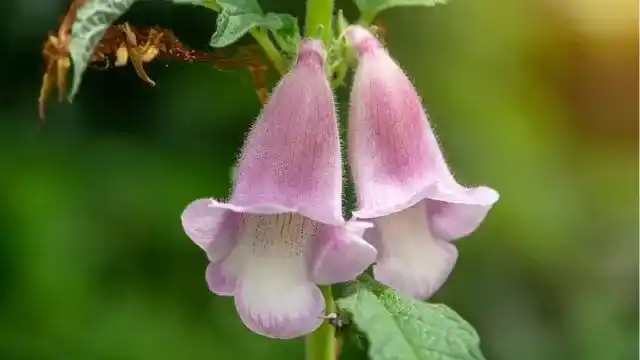
Rehmannia Benefits and Traditional Uses

Rehmannia has traditionally been used to support:

  • Traditional Chinese tonic formulas
  • Older root preparations associated with nourishment and balance
  • Classical formulas for general vitality
  • Prepared root decoctions in East Asian practice
  • Fresh, dried, and steamed root preparations

Historically, rehmannia has been an important root herb in traditional Chinese medicine, where different forms of the root are selected according to the style of formula being prepared.

In traditional practice, Rehmannia is often considered a deeply nourishing herb, used in formulations aimed at restoring balance following periods of stress, fatigue, or overexertion. It has long been associated with supporting the body’s natural resilience and helping to maintain vitality during times of depletion.

“Rehmannia root has long been respected in classical East Asian herbal traditions, especially in carefully balanced multi-herb formulas.”

“Rehmannia root has long been a major tonic herb in traditional Chinese practice, especially in carefully balanced compound formulas.”

— Traditional Chinese herbal reference

Rehmannia Preparation Methods

Rehmannia can be prepared in several traditional ways:


Decoction

The dried or prepared root may be simmered gently in water to make a traditional decoction.

Part of the plant used: Root

Prepared Root

The root may be steamed and dried to create the prepared form traditionally used in many classical formulas.

Part of the plant used: Root

Fresh Root Preparation

Fresh rehmannia root is used in some traditional East Asian preparations where a moist, cooling root material is preferred.

Part of the plant used: Fresh root

Extract

Rehmannia may also be used in concentrated powdered or liquid extracts.

Part of the plant used: Root


Growing Rehmannia

Rehmannia is a low-growing perennial herb cultivated primarily for its root. It develops a rosette of soft leaves and flowering stems and prefers a warm season with even moisture.

  • Prefers full sun to light partial shade
  • Grows best in fertile, loose, well-drained soil
  • Needs consistent moisture but should not sit in waterlogged ground
  • Can be grown in USDA zones 7-10 and as a seasonal crop in cooler regions
  • Best suited to mild temperate to warm summer climates in the United States

Rehmannia is generally grown from root divisions or seed and benefits from a long growing season before harvest. Loose soil helps the fleshy roots develop more evenly.


Safety Considerations

Rehmannia has a long history of traditional use, however internal root preparations should still be used thoughtfully.

However:

  • Rehmannia may cause loose stools or digestive discomfort in some individuals, especially in richer or more concentrated forms.
  • Individuals using diabetes medications or other blood sugar-related medications should use caution and seek professional guidance.
  • Because rehmannia is commonly used in complex formulas, product composition and dosage may vary widely between preparations.
  • Pregnant or breastfeeding individuals should consult a qualified healthcare professional before internal use.
  • Individuals with chronic health concerns or those taking prescription medications should seek professional advice before using rehmannia.
  • Only correctly prepared root material should be used in herbal practice.

This information is provided for educational purposes only and is not medical advice.

Image Disclaimer: Images are for reference only and should not be used as the sole method of identification. Always confirm identification with a qualified source.
Frequently Asked Questions
What is rehmannia used for?

Rehmannia is traditionally used in East Asian tonic formulas associated with nourishment, balance, and general vitality. The root is the main herbal part.

What part of rehmannia is used?

The root is the part used in traditional herbal practice. It may be used fresh, dried, or steamed and prepared depending on the formula.

How is rehmannia prepared?

Rehmannia is often prepared as a decoction, powdered extract, or as fresh or steamed root in classical East Asian formulas.

What is prepared rehmannia?

Prepared rehmannia usually refers to root that has been steamed and dried. It is a traditional processed form used in many Chinese herbal formulas.

Can rehmannia grow in the United States?

Yes. Rehmannia can be grown in warmer parts of the United States or as a seasonal crop where summers are long enough for root development.

Are there safety concerns with rehmannia?

Yes. Rehmannia may cause digestive upset in some people and should be used carefully with medications or existing health concerns.

Rehmannia Benefits and Traditional Uses

Help Us Improve the Rehmannia Page

Do you grow, photograph, study, or work with this plant?

If you have an accurate photo, growing experience, traditional use note, identification detail, correction, or useful source to share, we would love to hear from you.

Your contribution may help improve the accuracy, usefulness, and educational value of this page for other readers.


Share a photo, correction, or plant note →

Botanical Overview

  • Botanical name: Rehmannia glutinosa
  • Family: Orobanchaceae
  • Plant type: Root herb
  • Native region: China
  • Common names: Chinese foxglove, dihuang