
Plant Type: Shrub
Shrubs are woody plants that produce a wide variety of berries, leaves, and stems used in traditional herbal practices. Many shrub species are valued for their resilience and their role in producing nutrient-rich fruits and botanicals. This collection includes shrubs traditionally used in teas, extracts, and culinary applications across different regions.
-
Barberry
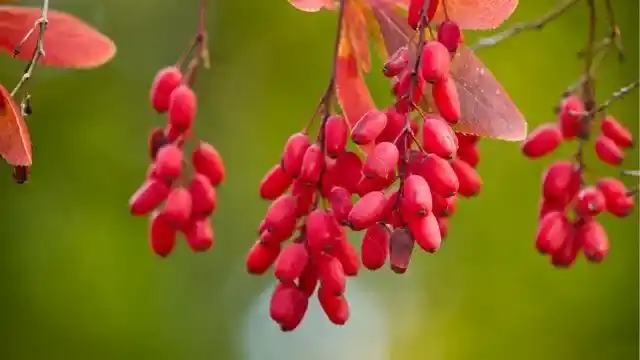
Barberry is a thorny shrub known for its sour red berries and bitter yellow root bark. It has a long history of…
-
Bearberry
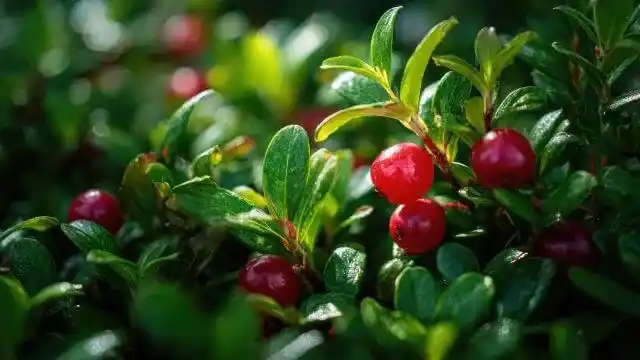
Bearberry is a low evergreen shrub best known for its leathery leaves and bright red berries. The leaves have a long history…
-
Bilberry
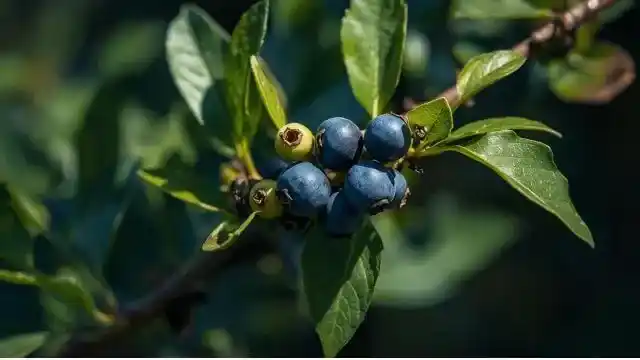
Bilberry is a small dark blue woodland berry valued in both food and traditional herbal use. The fruit and, less commonly, the…
-
Butchers Broom
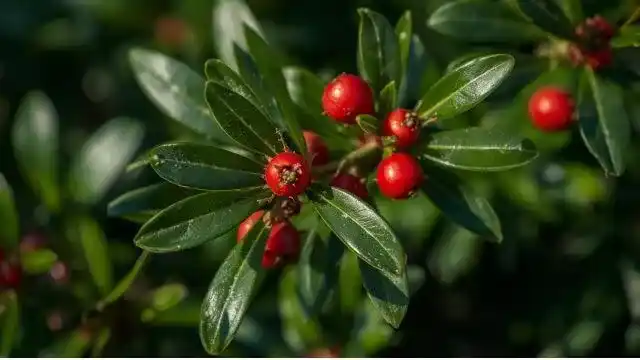
Butcher’s broom is a spiny evergreen shrub traditionally used in European herbal practice for circulatory support. The root and rhizome have long…
-
Cats Claw
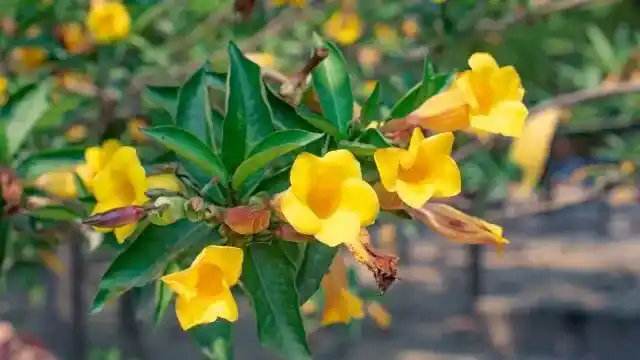
Cats claw is a tropical woody vine traditionally used in Amazonian and South American herbal systems. The inner bark and root are…
-
Chaparral

Chaparral is a desert shrub traditionally used in regional herbal practices of the American Southwest. The leaves and young stems are the…
-
Damiana
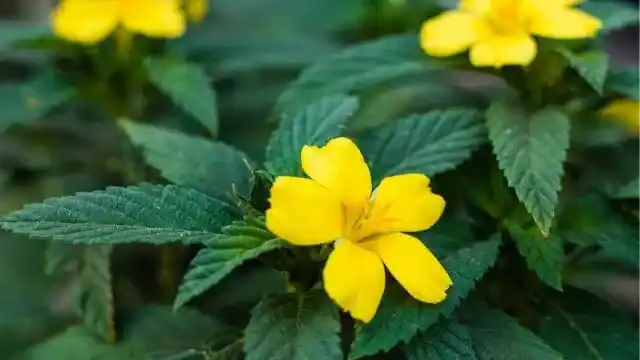
Damiana is an aromatic shrub traditionally used in Mexican and Central American herbal practice. The leaves are commonly prepared as tea or…
-
-
Juniper
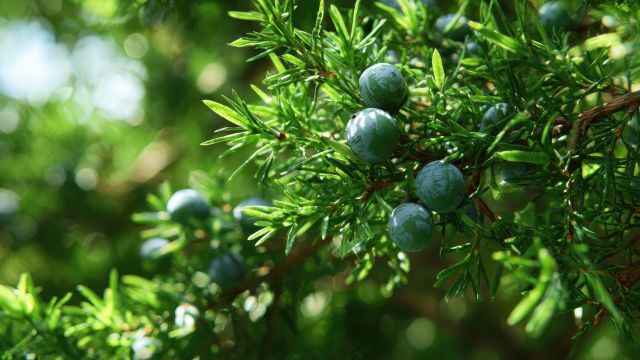
Juniper is an aromatic evergreen shrub traditionally valued for its berry-like cones. Juniper berries have long been used in herbal practice for…
-
Raspberry
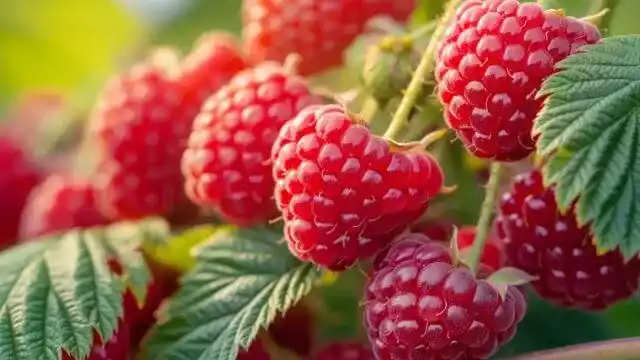
Raspberry is a familiar fruiting shrub whose leaves and berries have long been used in food and traditional herbal practice. The leaf…
-
Rose

Rose is a fragrant flowering plant traditionally used in herbal teas, syrups, and skin care. The petals and hips are the parts…
-
Rosehip
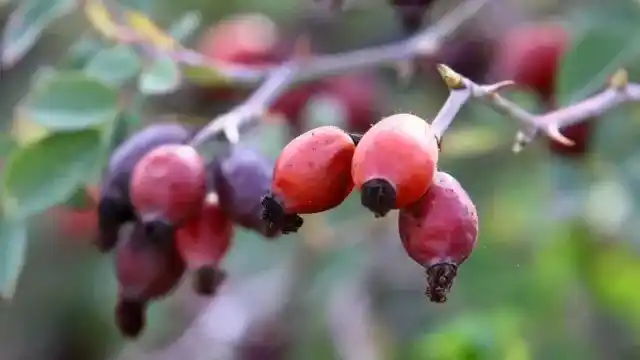
Rosehip is the bright red or orange fruit that forms after rose flowers fade. It is traditionally used in teas, syrups, and…
Looking for a specific plant?
Browse the full Flowers, Herbs & Plants A–Z directory →Plant Type: Shrub
Shrubs are woody plants that produce a wide variety of berries, leaves, and stems used in traditional herbal practices. Many shrub species are valued for their resilience and their role in producing nutrient-rich fruits and botanicals. This collection includes shrubs traditionally used in teas, extracts, and culinary applications across different regions.
-
Barberry is a thorny shrub known for its sour red berries and bitter yellow root bark. It has a long history of traditional use in digestive and bitter herbal preparations. Native to Europe, western Asia, and North Africa, it is grown ornamentally and may be invasive in some US areas.
-
Bearberry is a low evergreen shrub best known for its leathery leaves and bright red berries. The leaves have a long history of traditional use in astringent herbal preparations. Native to cool northern regions, bearberry is a hardy groundcover for acidic soils and cold climates.
-
Bilberry is a small dark blue woodland berry valued in both food and traditional herbal use. The fruit and, less commonly, the leaves have been prepared in teas, syrups, and preserves. Native to northern Europe and Asia, bilberry prefers cool climates and acidic soils.
-
Butcher’s broom is a spiny evergreen shrub traditionally used in European herbal practice for circulatory support. The root and rhizome have long been included in tinctures and decoctions. Native to Europe and parts of western Asia, it is recognized for its stiff leaf-like stems and bright red berries.
-
Cats claw is a tropical woody vine traditionally used in Amazonian and South American herbal systems. The inner bark and root are the most commonly used parts in herbal preparations. Known for its hooked thorns, this rainforest plant has become widely recognized in modern herbal commerce.
-
Chaparral is a desert shrub traditionally used in regional herbal practices of the American Southwest. The leaves and young stems are the parts most often prepared. Native to arid landscapes, chaparral is well known for its resinous scent after rain and its exceptional drought tolerance.
-
Damiana is an aromatic shrub traditionally used in Mexican and Central American herbal practice. The leaves are commonly prepared as tea or included in traditional tonic blends. Native to warm regions of the Americas, damiana is known for its fragrant foliage.
-
Juniper is an aromatic evergreen shrub traditionally valued for its berry-like cones. Juniper berries have long been used in herbal practice for urinary and digestive support. Native across Europe, Asia, and North America, juniper is also known for its resinous scent and culinary use.
-
Raspberry is a familiar fruiting shrub whose leaves and berries have long been used in food and traditional herbal practice. The leaf is the part most often used in herbal tea. Raspberry is valued for its cane growth, sweet fruit, and long history in garden and household use.
-
Rose is a fragrant flowering plant traditionally used in herbal teas, syrups, and skin care. The petals and hips are the parts most commonly used in herbal and culinary preparations. Native to temperate regions of the Northern Hemisphere, rose is prized for both beauty and traditional household use.
-
Rosehip is the bright red or orange fruit that forms after rose flowers fade. It is traditionally used in teas, syrups, and preserves, especially in seasonal and nourishing herbal preparations. Native species occur across Europe and Asia, and many roses are now grown throughout the United States.
Looking for a specific plant?
Browse the full Flowers, Herbs & Plants A–Z directory →About Us
Organic Goodness offers the Flowers & Herbs website as an educational resource covering medicinal herbs, essential oils, botanical traditions and natural living.
Browse
Links
The information on this website is for educational purposes only and is not intended as medical advice. Always consult a qualified healthcare professional before using herbs, supplements, or natural products.