

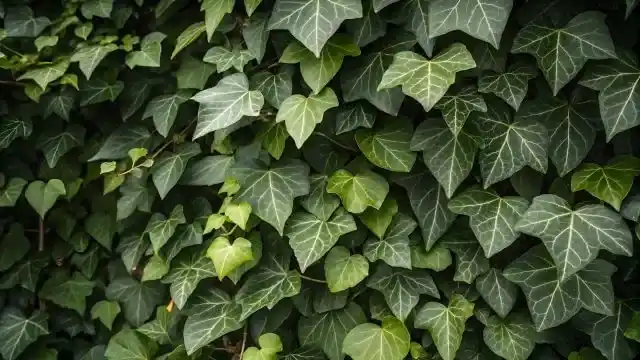
Ivy Identification & Safety (Hedera helix)

Ivy (Hedera helix) is a plant belonging to the Araliaceae family. It is poisonous and should not be used in any preparations.

English ivy is mildly toxic if ingested and may cause digestive upset, while contact with the plant can irritate sensitive skin.

Ivy Benefits and Traditional Uses

Ivy has traditionally been used to support:

  • Traditional respiratory herbal preparations
  • European folk herbal remedies
  • External botanical preparations
  • Herbal washes and compresses
  • Traditional botanical tonics

Ivy has appeared in European herbal traditions for centuries and was historically included in various botanical preparations. The plant was also symbolically associated with endurance and evergreen vitality.

Ivy has long been regarded as a plant requiring caution.

Traditional Herbal Texts

Ivy Preparation Methods

Ivy can be prepared in several traditional ways:


Herbal Decoction

Ivy leaves have historically been simmered to prepare strong herbal decoctions.

Part of the plant used: Leaves

External Compress

Prepared ivy infusions may be used in traditional herbal compresses.

Part of the plant used: Leaves

Tincture

Leaves may be extracted in alcohol to produce concentrated botanical preparations.

Part of the plant used: Leaves

Herbal Wash

Ivy preparations have historically been used in topical botanical washes.

Part of the plant used: Leaves


Growing Ivy

Ivy is an evergreen climbing vine known for its glossy leaves and vigorous growth habit. It can climb walls, trees, and structures using aerial roots.

  • Prefers partial shade to full shade
  • Grows well in a wide range of soil conditions
  • Drought tolerant once established
  • Hardy in USDA zones 4-9 in the United States
  • Often considered invasive or weedy in many regions

Ivy spreads rapidly and may cover large surfaces if not controlled, which is why it is sometimes regarded as an invasive landscape plant.


Safety Considerations

Ivy has traditionally been referenced in:

  • European herbal texts describing botanical preparations
  • Historical external applications in controlled preparations
  • Traditional plant-based extracts
  • Folk herbal references rather than common household use
  • Botanical studies of plants with strong active compounds

Historically, ivy appeared in European herbal traditions, but its use was often limited and required careful preparation. It has not generally been considered a common home-use herb and is typically discussed with caution due to its naturally occurring compounds.

Image Disclaimer: Images are for reference only and should not be used as the sole method of identification. Always confirm identification with a qualified source.
Frequently Asked Questions
Is Ivy safe t6o use ?

No – Ivy is poisonous and should not be used for any internal or external preparations

Ivy plant poisonous and not to be used for herbal blends

Help Us Improve the Ivy Page

Do you grow, photograph, study, or work with this plant?

If you have an accurate photo, growing experience, traditional use note, identification detail, correction, or useful source to share, we would love to hear from you.

Your contribution may help improve the accuracy, usefulness, and educational value of this page for other readers.


Share a photo, correction, or plant note →

Botanical Overview

  • Botanical name: Hedera helix
  • Family: Araliaceae
  • Plant type: Climbing vine
  • Native region: Europe
  • Common names: Ivy