

Chaparral Uses & Safety (Larrea tridentata)

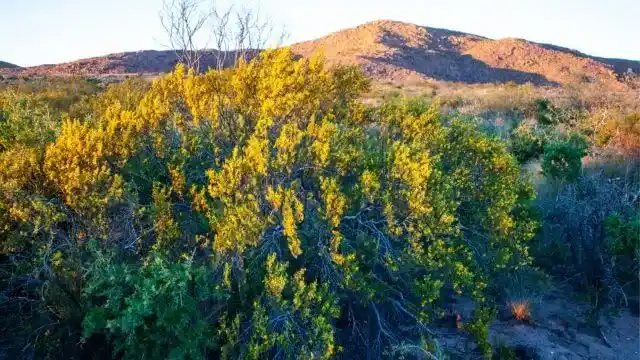
Chaparral (Larrea tridentata), also widely known as creosote bush, is an evergreen desert shrub in the Zygophyllaceae family. Native to the deserts of the southwestern United States and northern Mexico, it has small resinous leaves, yellow flowers, and a distinctive aromatic scent, especially after rainfall. The leaves and young stems are the parts traditionally used.

In regional herbal traditions, chaparral has been used in teas, topical washes, and other herbal preparations. It is often discussed as a plant of the desert landscape rather than a common household herb.

Chaparral is notable for its ability to thrive in intense heat, poor soils, and very dry conditions where few other shrubs can survive.

Chaparral Benefits and Traditional Uses

Chaparral has traditionally been used to support:

  • Traditional desert herbal preparations
  • Topical washes and external uses
  • Regional herbal teas
  • Resinous leaf preparations
  • Southwestern traditional plant use

Historically, chaparral has been associated with desert herbal use in the American Southwest, where resilient native shrubs held practical and traditional significance.

“Chaparral stands among the great shrubs of the desert and has a long story in the plant traditions of the Southwest.”

— Southwestern herbal reference

Chaparral Preparation Methods

Chaparral can be prepared in several traditional ways:


Tea

The leaves may be steeped carefully in hot water for traditional herbal use.

Part of the plant used: Leaves and young stems

Tincture

Chaparral may be prepared as an alcohol extract in traditional herbal practice.

Part of the plant used: Leaves and young stems

Wash

The herb has also been used in external washes and rinses.

Part of the plant used: Leaves and young stems

Compress

Prepared liquid may be used as part of traditional topical applications.

Part of the plant used: Leaves and young stems


Growing Chaparral

Chaparral is an evergreen desert shrub adapted to heat, intense sun, and very dry soils.

  • Prefers full sun
  • Thrives in sharply drained sandy or gravelly soil
  • Suitable for USDA growing zones 8–11 in arid regions
  • Best suited to desert and low-rainfall areas of the southwestern United States
  • Highly drought tolerant once established

Chaparral is not a plant for humid gardens or poorly drained soil. It is best grown only where hot, dry conditions can be provided and should not be overwatered.


Safety Considerations

Chaparral has a long history of regional traditional use, however this herb is associated with important safety concerns.

However:

  • Chaparral has been linked with serious liver safety concerns in some reports, especially with internal use.
  • Because of these concerns, internal use is often avoided in modern herbal practice.
  • It should not be used by individuals with liver conditions or those using medications that affect the liver without professional guidance.
  • Pregnant or breastfeeding individuals should avoid internal use.
  • Topical use may also irritate sensitive skin in some individuals.
  • Always consult a qualified healthcare professional before using chaparral for any internal purpose.

This information is provided for educational purposes only and is not medical advice.

Image Disclaimer: Images are for reference only and should not be used as the sole method of identification. Always confirm identification with a qualified source.
Frequently Asked Questions
What is chaparral traditionally used for?

Chaparral has traditionally been used in regional herbal practices of the American Southwest, including teas and topical preparations. The leaves and young stems are the parts most often discussed.

What part of chaparral is used?

The leaves and young stems are the parts traditionally used in herbal preparations. These may be prepared in teas, washes, or external applications.

Can chaparral grow in the United States?

Yes, chaparral is native to the deserts of the southwestern United States. It grows best in very dry, sunny, sharply drained conditions.

Is chaparral a desert plant?

Yes, chaparral is a true desert shrub and is highly adapted to heat and drought. It is especially associated with the Sonoran, Mojave, and Chihuahuan desert regions.

Are there safety concerns with chaparral?

Yes, chaparral is associated with important liver safety concerns, especially with internal use. Because of this, it is generally approached very cautiously.

Does chaparral need a lot of water?

No, chaparral is extremely drought tolerant once established. Overwatering and poor drainage are far more likely to harm it than dry conditions.

Chaparrel Benefits, How to Use and Medicinal Uses

Help Us Improve the Chaparral Page

Do you grow, photograph, study, or work with this plant?

If you have an accurate photo, growing experience, traditional use note, identification detail, correction, or useful source to share, we would love to hear from you.

Your contribution may help improve the accuracy, usefulness, and educational value of this page for other readers.


Share a photo, correction, or plant note →

Botanical Overview

  • Botanical name: Larrea tridentata
  • Family: Zygophyllaceae
  • Plant type: Desert shrub
  • Native region: Deserts of the southwestern United States and northern Mexico
  • Common names: Creosote bush, greasewood