

Juniper Benefits & Uses (Juniperus communis)

Juniper is an evergreen conifer most often represented in herbal practice by Juniperus communis, a member of the Cupressaceae family native across Europe, Asia, and North America. It forms a prickly shrub with blue-black berry-like cones, and the berries are the part most commonly used in herbal preparations.

In traditional herbal use, juniper berries have been associated with urinary support, digestion, and warming aromatic formulas. They are commonly prepared as teas, tinctures, syrups, and culinary spice blends.

Juniper is also notable for its strong resinous aroma, which has made it important in both herbal and household traditions.

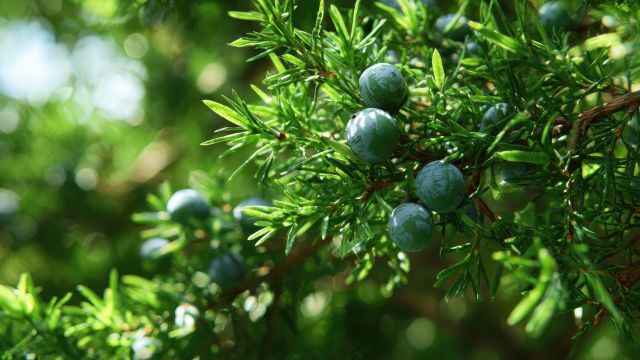
Juniper Benefits and Traditional Uses

Juniper has traditionally been used to support:

  • Traditional urinary system support and fluid balance practices
  • Digestive bitters and warming after-meal preparations
  • Aromatic herbal teas and tinctures
  • Traditional spice blends, food preservation, and culinary uses
  • Household cleansing and aromatic applications
  • General wellness practices associated with antioxidant-rich plant compounds

Historically, juniper berries were widely used in European herbal and culinary traditions, where they were valued for their distinctive resinous aroma, their role in traditional digestive and cleansing practices, and their naturally occurring antioxidant compounds.

“Juniper berries have long been valued for their warming, aromatic, and cleansing character.”

“Juniper berries have long been valued for their warming, aromatic, and cleansing character.”

— Traditional Western herbal reference

Juniper Preparation Methods

Juniper can be prepared in several traditional ways:


Tea

Crushed juniper berries may be steeped or lightly simmered in water to prepare a traditional aromatic herbal tea.

Part of the plant used: Berries

Tincture

The berries are commonly prepared as a tincture in traditional Western herbal practice.

Part of the plant used: Berries

Syrup or Oxymel

Juniper berries may be included in syrup-style or vinegar-honey herbal preparations.

Part of the plant used: Berries

Spice Blend

Dried juniper berries are also used in traditional culinary and preserving blends.

Part of the plant used: Berries


Growing Juniper

Juniper is a hardy evergreen shrub or small tree that grows in a wide range of climates and is valued for its resilience and drought tolerance.

  • Prefers full sun and good air circulation
  • Thrives in well-drained soil and tolerates poor, sandy, or rocky conditions
  • Depending on species, many junipers grow in USDA zones 2-9 across the United States
  • Often grown in dry landscapes, naturalized plantings, and temperate to colder regions of North America

Junipers generally dislike waterlogged soil and once established are often quite drought tolerant. Proper species identification is important because not all junipers are used in the same way.


Safety Considerations

Juniper has a long history of traditional use, however the berries should be used carefully and certain individuals should avoid them.

However:

  • Large amounts of juniper may irritate the kidneys or digestive tract in some individuals.
  • Juniper is generally avoided during pregnancy because traditional sources recommend caution with internal use.
  • Individuals with kidney disease or significant urinary tract irritation should avoid self-prescribing juniper internally.
  • Not all juniper species are interchangeable, so correct identification is important.
  • Juniper essential oil is much more concentrated than the berries and requires additional caution.
  • Always consult a qualified healthcare professional before using herbal preparations for health purposes.

This information is provided for educational purposes only and is not medical advice.

Image Disclaimer: Images are for reference only and should not be used as the sole method of identification. Always confirm identification with a qualified source.
Frequently Asked Questions
What is juniper traditionally used for?

Juniper berries have traditionally been used for urinary support, digestion, and warming aromatic herbal formulas.

What part of juniper is used in herbal preparations?

The berries, which are actually berry-like cones, are the part most commonly used in herbal preparations.

Can juniper be used in tea?

Yes. Crushed juniper berries may be used in traditional herbal tea or lightly simmered decoction-style preparations.

Does juniper grow in the United States?

Yes. Juniper species grow widely across the United States, depending on the species and climate, often in USDA zones 2-9.

Are all juniper berries safe to use?

Correct identification matters because not all juniper species are used in the same way. The species most commonly referenced in herbal practice is Juniperus communis.

Are there safety concerns with juniper?

Yes. Juniper should be used cautiously because large amounts may irritate the kidneys, and internal use is generally avoided during pregnancy.

Juniper Berry Benefits and Medicinal Uses

Help Us Improve the Juniper Page

Do you grow, photograph, study, or work with this plant?

If you have an accurate photo, growing experience, traditional use note, identification detail, correction, or useful source to share, we would love to hear from you.

Your contribution may help improve the accuracy, usefulness, and educational value of this page for other readers.


Share a photo, correction, or plant note →

Botanical Overview

  • Botanical name: Juniperus communis
  • Family: Cupressaceae
  • Plant type: Shrub or small tree
  • Native region: Europe, Asia, and North America
  • Common names: Common juniper, juniper berry