

Bilberry Benefits & Uses (Vaccinium myrtillus)

Bilberry, or Vaccinium myrtillus, is a low-growing deciduous shrub in the Ericaceae family native to northern Europe and parts of Asia. It produces green angled stems, small oval leaves, pinkish flowers, and blue-black berries with dark purple flesh. The fruit is the part most commonly used in traditional practice, although the leaves have also appeared in older herbal preparations.

Bilberry has long been valued as both a wild food and a traditional herb. In European practice, the berries were eaten fresh, dried for winter use, made into syrups and preserves, or steeped in herbal infusions. The leaves were used more cautiously because they are stronger and more astringent than the fruit.

Unlike many cultivated blueberries, bilberries tend to stain the fingers and mouth because the flesh itself is richly pigmented. This is one of the easiest ways to distinguish the fruit from common commercial blueberries.

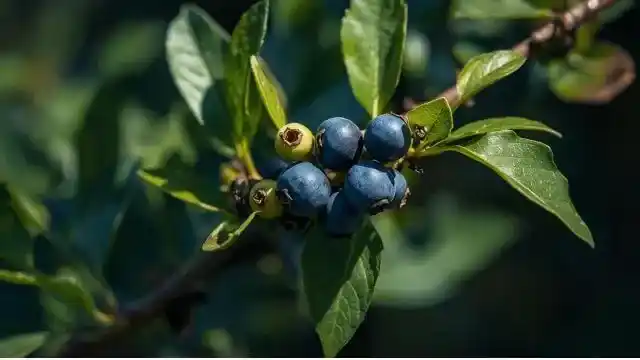
Bilberry Benefits and Traditional Uses

Bilberry has traditionally been used to support:

  • Traditional berry syrups, jams, and preserves
  • Fruit teas and decoctions made from dried berries
  • Astringent preparations in older European household herbalism
  • Traditional support for digestion using dried fruit
  • Berry-rich foods valued in northern mountain regions
  • Leaf preparations used more cautiously in older herbals

Historically, bilberry was gathered as both food and medicine across northern Europe. The berries were commonly dried for winter, cooked into syrups and jams, or prepared as a simple household remedy, while the leaves appeared in older herbal texts as a stronger and more astringent preparation.

“Bilberry has long been valued as both a wild food and a traditional herbal fruit in northern Europe.”

— Traditional European herbal practice

Bilberry Preparation Methods

Bilberry can be prepared in several traditional ways:


Berry Tea

Dried bilberries may be steeped in hot water to make a mild fruit tea. This is a traditional household preparation that highlights the berry rather than the leaf.

Part of the plant used: Berries

Syrup

Fresh or dried bilberries may be simmered with water and sweetener to produce a thick syrup. Syrup is one of the classic ways bilberries have been preserved and used traditionally.

Part of the plant used: Berries

Tincture

Bilberries may be extracted in alcohol to make a fruit tincture. Tinctures are often used when a concentrated liquid preparation is preferred.

Part of the plant used: Berries

Preserve or Jam

Bilberries are widely used in jams, compotes, and preserves. This culinary preparation reflects the long overlap between food use and traditional household herbal use.

Part of the plant used: Berries


Growing Bilberry

Bilberry is a small woodland shrub that spreads slowly and prefers cool, acidic conditions similar to those enjoyed by many heath-family plants. It is not always easy to cultivate outside its preferred habitat, but it can be grown where soil and climate are suitable.

  • Prefers full sun in cool climates or light partial shade in warmer areas
  • Needs acidic, humus-rich, moisture-retentive but well-drained soil
  • Best suited to USDA growing zones 3-7 in cooler parts of the United States
  • Most successful in northern gardens, mountain climates, or sites that mimic woodland conditions

Bilberry can be more demanding than cultivated blueberries because it dislikes alkaline soil and excessive summer heat. Mulching with pine needles or other acidic organic matter may help maintain the conditions it prefers.


Safety Considerations

Bilberry fruit has a long history of culinary and traditional herbal use, but concentrated preparations still deserve sensible care.

However:

  • Large amounts of strongly astringent bilberry leaf preparations may cause digestive discomfort or constipation in some individuals.
  • Concentrated bilberry extracts may interact with anticoagulant, blood sugar, or blood pressure medications.
  • People with sensitivity to plants in the Ericaceae family should introduce bilberry products cautiously.
  • Pregnant or breastfeeding individuals should consult a qualified healthcare professional before using concentrated extracts or leaf preparations.
  • Very sweet bilberry syrups or preserves may not be suitable for everyone, depending on the overall diet and recipe used.
  • Use care with high-strength supplements and seek professional advice when combining herbal extracts with prescription medicines.

This information is provided for educational purposes only and is not medical advice.

Image Disclaimer: Images are for reference only and should not be used as the sole method of identification. Always confirm identification with a qualified source.
Frequently Asked Questions
Is bilberry the same as blueberry?

Bilberry is related to blueberry, but it is not exactly the same plant. Bilberry fruit is usually smaller, darker, and purple throughout the flesh, while many cultivated blueberries are lighter inside and are grown on larger shrubs.

What is bilberry traditionally used for?

Bilberry is traditionally used as both a food and a household herb. The berries have been prepared in teas, syrups, jams, and dried fruit preparations, while older herbals also mention the leaves in more astringent formulas.

What part of bilberry is used in herbal preparations?

The berries are the most commonly used part, especially in teas, syrups, and preserves. The leaves also appear in older herbal literature, but they are stronger and more astringent than the fruit and are used more cautiously.

Can bilberry grow in the United States?

Bilberry can grow in the United States where soil is acidic and summers are not too hot, especially in USDA zones 3-7. It is usually easier to grow in cooler northern or mountain regions than in warm lowland climates.

How is bilberry usually prepared?

Bilberry is often prepared as a fruit tea, syrup, preserve, or tincture. Because the berry is also a traditional food, many preparations sit naturally between the kitchen and the herb cabinet.

Are there safety concerns with bilberry?

Bilberry fruit is generally well tolerated as a food, but concentrated extracts and leaf preparations may not suit everyone. People using blood thinners, blood sugar medication, or strong supplements should use caution and seek professional guidance.

Bilberry Plant Medicinal Uses and Benefits

Help Us Improve the Bilberry Page

Do you grow, photograph, study, or work with this plant?

If you have an accurate photo, growing experience, traditional use note, identification detail, correction, or useful source to share, we would love to hear from you.

Your contribution may help improve the accuracy, usefulness, and educational value of this page for other readers.


Share a photo, correction, or plant note →

Botanical Overview

  • Botanical name: Vaccinium myrtillus
  • Family: Ericaceae
  • Plant type: Low-growing fruit shrub
  • Native region: Northern Europe and parts of Asia
  • Common names: Bilberry, whortleberry, European blueberry