

Bearberry Benefits & Uses (Arctostaphylos uva-ursi)

Bearberry, or Arctostaphylos uva-ursi, is a creeping evergreen shrub in the Ericaceae family native to northern Europe, Asia, and North America. It forms low mats of glossy leaves, pale pink flowers, and red berries. The leaf is the part most often used in traditional herbal practice, while the berries are less commonly used medicinally.

In Western herbal traditions, bearberry leaf has long been prepared as a strong tea or tincture and is especially associated with short-term, astringent formulas. It is one of the classic herbs historically discussed in relation to the urinary system, and it is often used with soothing herbs rather than as a stand-alone everyday tonic.

Bearberry thrives in lean, acidic soils and cool climates, which is why it is more at home in northern or mountain gardens than in hot, humid regions.

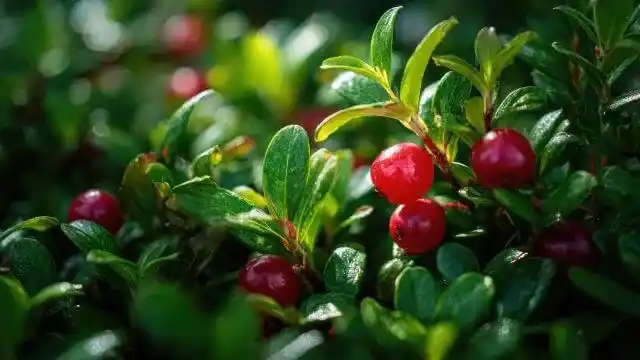
Bearberry Benefits and Traditional Uses

Bearberry has traditionally been used to support:

  • Short-term astringent herbal preparations in Western traditions
  • Traditional support for urinary system comfort
  • Strong leaf teas and tinctures used when a drying herb was desired
  • Herbal formulas combined with soothing demulcent herbs
  • Occasional topical washes in older household herbalism
  • Traditional preparations made from the dried leaves

Historically, bearberry leaf was valued in European and North American herbal traditions as a distinctly astringent herb. It was often prepared for short-term use rather than as a daily tonic, and older herbals frequently paired it with more soothing herbs to balance its drying nature.

“Bearberry leaves were long esteemed as an astringent herb and were commonly prepared as a traditional tea.”

— Traditional Western herbal practice

Bearberry Preparation Methods

Bearberry can be prepared in several traditional ways:


Tea

Dried bearberry leaves may be steeped or lightly simmered to make a traditional herbal tea. Because the leaves are tannic and astringent, the flavor is usually strong and somewhat drying.

Part of the plant used: Leaves

Tincture

Bearberry leaves may be extracted in alcohol to create a concentrated tincture. This is a common way to use the herb when a smaller serving size is preferred.

Part of the plant used: Leaves

Cold Infusion

Some herbalists prepare bearberry leaf as a longer, cooler infusion to soften the harshness of the tea. This method may be chosen when a gentler extraction is desired.

Part of the plant used: Leaves

Blended Formula

Bearberry is often combined with demulcent or aromatic herbs in formula work rather than used entirely on its own. Blending helps balance its strong, drying character.

Part of the plant used: Leaves


Growing Bearberry

Bearberry is a slow-growing evergreen groundcover that spreads close to the soil surface and forms dense mats. It is well adapted to sandy, acidic, low-fertility ground and is especially useful in cool-climate rock gardens and naturalized plantings.

  • Prefers full sun to partial shade and acidic, sandy, sharply drained soil
  • Needs moderate water while establishing, then tolerates drier conditions in cool climates
  • Hardy in USDA growing zones 2-6, especially in northern and mountain regions of the United States
  • Performs best where summers are not excessively hot or humid

Bearberry dislikes heavy clay, rich soil, and repeated disturbance. It is often easier to establish from nursery plants than from seed, and it is not usually a good choice for warm southern gardens.


Safety Considerations

Bearberry has a long history of traditional use, but it is generally considered a herb for short-term use rather than frequent daily use.

However:

  • Strong bearberry preparations may cause nausea, stomach upset, or digestive discomfort because the leaf is rich in tannins and other active compounds.
  • Traditional herbalists usually avoid prolonged or excessive use of bearberry because concentrated leaf preparations can be harsh.
  • Pregnant or breastfeeding individuals and children should not use bearberry internally unless advised by a qualified healthcare professional.
  • People with kidney concerns or chronic digestive irritation should use caution with bearberry preparations.
  • Individuals with known sensitivity to plants in the Ericaceae family should introduce the herb carefully.
  • Always seek professional guidance before using bearberry in concentrated or repeated doses.

This information is provided for educational purposes only and is not medical advice.

Image Disclaimer: Images are for reference only and should not be used as the sole method of identification. Always confirm identification with a qualified source.
Frequently Asked Questions
What is bearberry traditionally used for?

Bearberry is traditionally used as an astringent leaf herb, especially in short-term preparations associated with urinary system support. In Western herbal practice, it is often combined with more soothing herbs rather than used as an everyday tonic.

Is bearberry the same as uva ursi?

Yes. Bearberry and uva ursi are common names for the same plant, Arctostaphylos uva-ursi. The name uva ursi is especially common in herbal literature, while bearberry is more often used in garden and field references.

What part of bearberry is used in herbal preparations?

The leaf is the main part used in traditional herbal preparations. It is usually dried and prepared as tea, tincture, or a blended formula with other herbs that soften its astringent character.

Can bearberry grow in the United States?

Yes. Bearberry grows well in cooler parts of the United States, especially in USDA zones 2-6 with acidic, sandy soil. It is much better suited to northern and mountain climates than to hot, humid southern gardens.

How is bearberry usually prepared?

Bearberry is commonly prepared as a strong tea, tincture, or blended herbal formula. Some herbalists prefer longer, cooler infusions to reduce harshness, because the leaf can taste very tannic and drying when brewed hot and strong.

Are there safety concerns with bearberry?

Yes. Bearberry is generally treated as a short-term herb because strong leaf preparations may irritate the stomach or feel too drying. It is usually avoided during pregnancy, breastfeeding, childhood, and in people with kidney concerns unless a professional recommends it.

Bearberry Plant Medicinal Uses and Benefits

Help Us Improve the Bearberry Page

Do you grow, photograph, study, or work with this plant?

If you have an accurate photo, growing experience, traditional use note, identification detail, correction, or useful source to share, we would love to hear from you.

Your contribution may help improve the accuracy, usefulness, and educational value of this page for other readers.


Share a photo, correction, or plant note →

Botanical Overview

  • Botanical name: Arctostaphylos uva-ursi
  • Family: Ericaceae
  • Plant type: Low-growing shrub
  • Native region: Northern Europe, Asia, and North America
  • Common names: Uva ursi, kinnikinnick, bearberry