

Damiana Benefits & Uses (Turnera diffusa)

Damiana (Turnera diffusa) is a aromatic shrub in the Passifloraceae family that is native to Mexico, Central America, and the Caribbean. It is traditionally valued for leaves and is known for a fragrant shrub traditionally used in Central American and Mexican herbal practice.

Traditionally, damiana leaves have been prepared as tea, tincture, smoking blends, and bitter tonics in Mexican and Central American herbal traditions. It is often discussed in connection with relaxation, mood, and warming herbal formulas.

The shrub produces small aromatic leaves and yellow flowers and thrives in hot, dry environments. Its leaves release a noticeable fragrance when crushed.

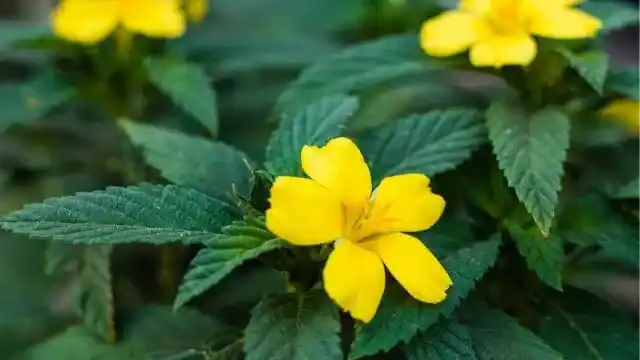
Damiana Benefits and Traditional Uses

Damiana has traditionally been used to support:

  • Relaxing herbal teas
  • Traditional tonic blends
  • Aromatic smoking mixtures
  • Warming leaf infusions
  • Mood and vitality formulas

Historically, damiana has been associated with Mexican and Central American folk traditions and was later adopted into broader Western herbal use. Its fragrant leaves gave it a place in teas, tonics, and smoking mixtures.

“Damiana has long been regarded as an aromatic shrub of warmth and traditional tonifying use.”

— Traditional Mexican herbal reference

Damiana Preparation Methods

Damiana can be prepared in several traditional ways:


Tea

Dried damiana leaves may be steeped in hot water to prepare a traditional herbal tea.

Part of the plant used: Leaves

Tincture

The leaves may be macerated in alcohol to create a traditional liquid extract.

Part of the plant used: Leaves

Smoking Blend

Dried leaves have historically been included in aromatic smoking blends.

Part of the plant used: Leaves

Liqueur or Tonic

Damiana has sometimes been prepared in fortified tonics or herbal liqueurs.

Part of the plant used: Leaves


Growing Damiana

Damiana is a warm-climate aromatic shrub that grows best in sunny, dry conditions. In the United States it is most suitable for frost-free or very mild regions and container culture.

  • Prefers full sun
  • Grows best in well-drained sandy or rocky soil
  • Tolerates dry conditions once established
  • Best suited to USDA zones 9–11 or container growing in warm areas of the United States

Damiana is sensitive to frost and excessive moisture. In cooler climates it is better suited to pots that can be protected in winter.


Safety Considerations

This herb has a long history of traditional use, however concentrated herbal preparations may not be appropriate for everyone.

However:

  • Concentrated damiana products may cause digestive upset in some individuals.
  • Large amounts may not be appropriate for people with blood sugar concerns or those using related medications.
  • Smoking blends and highly concentrated extracts carry different risks than simple teas.
  • Pregnant or breastfeeding individuals should consult a qualified healthcare professional before using damiana.
  • Individuals with known plant sensitivities should begin cautiously with any new herbal preparation.
  • Always consult a qualified professional before using herbs for health purposes.

This information is provided for educational purposes only and is not medical advice.

Image Disclaimer: Images are for reference only and should not be used as the sole method of identification. Always confirm identification with a qualified source.
Frequently Asked Questions
What is damiana traditionally used for?

Damiana is traditionally used in teas, tonics, and aromatic herbal preparations. It is often mentioned in connection with relaxation, warmth, and traditional vitality formulas.

What part of damiana is used?

The leaves are the main part used. They may be prepared as tea, tincture, smoking blends, or other traditional preparations.

Can damiana be made into tea?

Yes. Damiana leaves are commonly steeped in hot water to make a traditional herbal tea. The tea is aromatic and slightly bitter.

Can damiana grow in the United States?

Damiana can be grown in the warmest, frost-free parts of the United States and in containers. It prefers hot, sunny, and relatively dry conditions.

What does damiana smell like?

Damiana leaves have a noticeable aromatic scent, especially when crushed. This fragrance is one reason the herb has been used in teas and smoking blends.

Are there safety concerns with damiana?

Concentrated damiana products may not be suitable for everyone. People with blood sugar concerns, pregnancy considerations, or medication use should be cautious.

Damiana Medicinal Uses and Benefits

Help Us Improve the Damiana Page

Do you grow, photograph, study, or work with this plant?

If you have an accurate photo, growing experience, traditional use note, identification detail, correction, or useful source to share, we would love to hear from you.

Your contribution may help improve the accuracy, usefulness, and educational value of this page for other readers.


Share a photo, correction, or plant note →

Botanical Overview

  • Botanical name: Turnera diffusa
  • Family: Passifloraceae
  • Plant type: Shrub
  • Native region: Mexico, Central America, and the Caribbean
  • Common names: Mexican damiana, old woman's broom