

Rosehip Benefits & Uses (Rosa canina)

Rosehip is the fleshy fruit of rose species such as Rosa canina and related members of the Rosaceae family. These shrubs are native to Europe, western Asia, and other temperate regions, though many rose species are now widely grown and naturalized in North America. The hips develop after flowering and are valued for their bright color, tart flavor, and high natural vitamin C content. The fruit is the main part used in traditional preparations.

In Western herbal and culinary traditions, rosehips have long been prepared as teas, syrups, jams, vinegars, and preserves. They are especially associated with autumn and winter use, when the hips are harvested after ripening and turned into nourishing seasonal preparations.

Because many rose species grow well in the United States, rosehips are commonly gathered from garden roses and some wild or naturalized shrubs, provided the plants have not been sprayed.

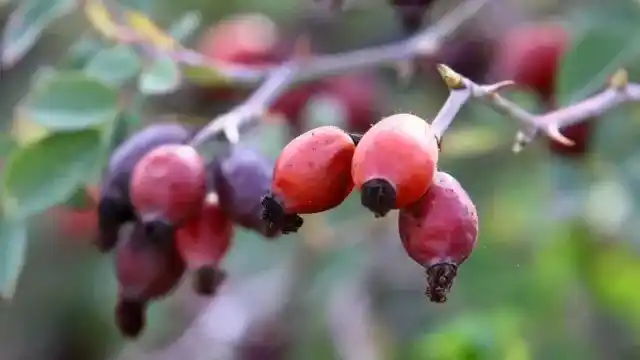
Rosehip Benefits and Traditional Uses

Rosehip has traditionally been used to support:

  • Nourishing teas and decoctions made from ripe hips
  • Seasonal syrups and preserves used in colder months
  • Tart jams, jellies, and fruit preparations
  • Traditional support for general wellbeing and vitality
  • Household remedies valued for natural vitamin-rich fruit
  • Combined formulas with other berries and flowers

Historically, rosehips were widely gathered after the first frosts and used in both the kitchen and home apothecary. They became especially valued in Europe during times when fresh fruit was scarce, and they remain a classic seasonal herb and food ingredient.

“Rosehips have long been treasured as the bright autumn fruit of the rose, gathered for syrups, teas, and winter preserves.”

— Traditional European herbal and culinary practice

Rosehip Preparation Methods

Rosehip can be prepared in several traditional ways:


Tea or Decoction

Dried or crushed rosehips may be steeped or simmered in water to make a tart, fruity herbal drink. Many traditional preparations use a longer steep or gentle simmer to extract the fruit well.

Part of the plant used: Fruit (hips)

Syrup

Rosehips may be cooked and strained to make a thick syrup used in traditional seasonal household preparations.

Part of the plant used: Fruit (hips)

Jam or Preserve

The fruit may be cooked into a tart jam, jelly, or preserve after the seeds and irritating inner hairs have been removed.

Part of the plant used: Fruit (hips)

Vinegar or Oxymel

Rosehips may be prepared in vinegar or honey-and-vinegar blends as part of traditional household herbal use.

Part of the plant used: Fruit (hips)


Growing Rosehip

Rosehips are produced on rose shrubs after flowering, especially when the blooms are left on the plant rather than deadheaded. Roses vary widely in size and habit, but most rosehip-bearing shrubs prefer sunny positions and good air circulation.

  • Prefers full sun and fertile, well-drained soil
  • Needs regular water while establishing, with moderate moisture during active growth
  • Most rosehip-bearing species grow well in USDA zones 3-9 in the United States
  • Suitable for many temperate parts of the United States, including home gardens and hedgerows

Some rose species sucker or naturalize freely, while others remain more compact garden shrubs. To produce hips, flowers must be allowed to mature on the plant, and unsprayed plants are best when the fruit will be harvested for use.


Safety Considerations

Rosehip has a long history of traditional food and herbal use, but it should still be prepared carefully and used thoughtfully.

However:

  • The fine hairs inside the hip can irritate the mouth, throat, skin, or digestive tract if the fruit is not cleaned and strained properly.
  • Large amounts of rosehip may cause mild digestive upset, especially in sensitive individuals.
  • People with known allergies to plants in the Rosaceae family should use caution.
  • Because rosehip contains natural fruit acids, concentrated preparations may not suit people with very sensitive stomachs.
  • Individuals using medications affected by high vitamin C intake or those prone to kidney stone concerns should seek professional guidance before frequent heavy use.
  • Always use hips from unsprayed rose plants and process them carefully before internal use.

This information is provided for educational purposes only and is not medical advice.

Image Disclaimer: Images are for reference only and should not be used as the sole method of identification. Always confirm identification with a qualified source.
Frequently Asked Questions
What is rosehip traditionally used for?

Rosehip is traditionally used in teas, syrups, preserves, and nourishing seasonal remedies. It is especially valued for its tart flavor and its long reputation as a vitamin-rich fruit of the rose plant.

What part of the rose plant is the rosehip?

The rosehip is the fruit that forms after the rose flower fades. It usually turns bright red or orange when ripe and contains seeds surrounded by fine inner hairs.

How is rosehip prepared?

Rosehip is often prepared as tea, syrup, jam, jelly, or vinegar-based preparations. The seeds and inner hairs are usually removed or strained out carefully before the fruit is eaten or drunk.

Can rosehip be grown or gathered in the United States?

Yes. Many rose species that produce hips grow well across the United States, especially in USDA zones 3-9. Garden roses and some wild or naturalized roses can both provide hips if they have not been sprayed.

Is rosehip edible?

Yes, rosehip is widely used as a food ingredient in teas, jams, syrups, and other preserves. It must be prepared properly, because the seeds and inner hairs are not usually eaten as they are.

Are there safety concerns with rosehip?

Rosehip is commonly used as a food and herb, but the fine hairs inside the fruit can be irritating if not removed. Large amounts may also cause mild digestive upset in some individuals.

Rosehip Plant Benefits and Traditional Uses

Help Us Improve the Rosehip Page

Do you grow, photograph, study, or work with this plant?

If you have an accurate photo, growing experience, traditional use note, identification detail, correction, or useful source to share, we would love to hear from you.

Your contribution may help improve the accuracy, usefulness, and educational value of this page for other readers.


Share a photo, correction, or plant note →

Botanical Overview

  • Botanical name: Rosa canina
  • Family: Rosaceae
  • Plant type: Fruit shrub
  • Native region: Europe, western Asia, and North Africa
  • Common names: Rosehip, rose haw, dog rose hip, wild rose fruit