

Butchers Broom Benefits & Uses (Ruscus aculeatus)

Butcher’s broom is an evergreen shrub known botanically as Ruscus aculeatus, a member of the Asparagaceae family native to western and southern Europe, North Africa, and western Asia. It has stiff, flattened leaf-like stems, small greenish flowers, and bright red berries, while the root and rhizome are the parts traditionally used in herbal practice.

In traditional European herbal use, butcher’s broom has been associated with circulatory support and was often prepared as decoctions, capsules, and tinctures. It has also been valued as a hardy ornamental shrub because of its distinctive structure and winter berries.

The common name is thought to come from the historical use of its tough branches for making small brooms used by butchers and householders.

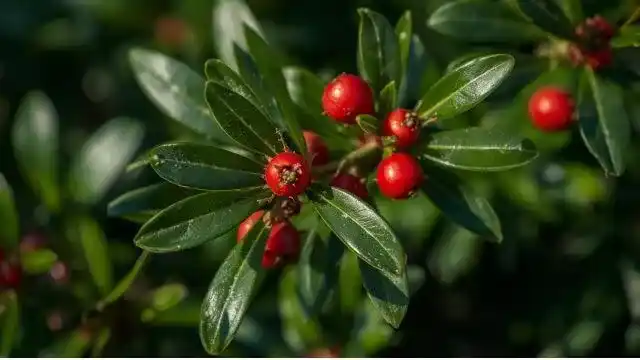
Butchers Broom Benefits and Traditional Uses

Butcher’s broom has traditionally been used to support:

  • Traditional circulatory support formulas
  • Herbal preparations for heavy or tired legs
  • Traditional venous support practices
  • Older European tonic preparations
  • Root-based decoctions and tinctures

Historically, butcher’s broom was valued in European herbal traditions for its tough underground parts and its association with circulation-focused herbal formulas.

“Butcher’s broom has long been valued in European herbal practice as a hardy root herb for circulation-focused preparations.”

“Butcher’s broom has long been valued in European herb lore as a firm and enduring plant of the shaded garden.”

— Traditional European herbal reference

Butchers Broom Preparation Methods

Butcher’s broom can be prepared in several traditional ways:


Decoction

The dried root and rhizome may be simmered gently in water to prepare a traditional decoction.

Part of the plant used: Root and rhizome

Tincture

Butcher’s broom may be prepared as a tincture using the dried underground parts for more concentrated traditional use.

Part of the plant used: Root and rhizome

Capsule or Powder

Dried butcher’s broom root may also be ground and used in encapsulated herbal products.

Part of the plant used: Root and rhizome


Growing Butchers Broom

Butcher’s broom is a slow-growing evergreen shrub that forms dense clumps and is often grown for its unusual leaf-like stems and red berries.

  • Prefers partial shade to full shade, though it can tolerate some sun in milder climates
  • Grows best in well-drained soil and tolerates dry, poor, or alkaline conditions once established
  • Hardy in USDA zones 7-9 in sheltered parts of the United States
  • Best suited to mild temperate gardens, shaded borders, and protected landscape plantings

Butcher’s broom is drought tolerant once established and spreads slowly by underground stems. It is not usually considered invasive, but mature plants can form broad clumps over time.


Safety Considerations

Butcher’s broom has a long history of traditional use, however concentrated preparations should still be used with care.

However:

  • Butcher’s broom may cause mild digestive discomfort such as nausea or stomach upset in some individuals.
  • Because it is associated with circulation-focused herbal use, individuals with blood pressure concerns should use caution with concentrated extracts.
  • Those taking blood pressure medications, stimulants, or circulation-related products should consult a qualified healthcare professional before use.
  • Pregnant or breastfeeding individuals should consult a qualified healthcare professional before using butcher’s broom internally.
  • Individuals with unusual sensitivity to herbal extracts should begin cautiously and monitor tolerance.
  • Always consult a qualified professional before using herbs for health purposes.

This information is provided for educational purposes only and is not medical advice.

Image Disclaimer: Images are for reference only and should not be used as the sole method of identification. Always confirm identification with a qualified source.
Frequently Asked Questions
What is butcher's broom traditionally used for?

Butcher's broom has traditionally been used in European herbal practice for circulation-focused support, especially in formulas intended for heavy or tired legs. The underground parts are the portions most commonly used.

What part of butcher's broom is used in herbal preparations?

The root and rhizome of butcher's broom are the parts traditionally used. These are commonly prepared as decoctions, tinctures, powders, or capsules.

How is butcher's broom prepared?

Butcher's broom is most often prepared as a decoction, tincture, powder, or capsule. Because the underground parts are firm and fibrous, it is not usually used as a light herbal tea.

Can butcher's broom grow in the United States?

Butcher's broom can be grown in mild parts of the United States, especially in USDA zones 7-9. It prefers shaded or partly shaded positions with well-drained soil.

Is butcher's broom an evergreen plant?

Yes. Butcher's broom is an evergreen shrub with stiff, flattened stems that look leaf-like and often carry bright red berries.

Are there safety concerns with butcher's broom?

Butcher's broom is generally approached as a concentrated root herb rather than a casual kitchen herb. Individuals with blood pressure concerns or those using related medications should use caution and seek professional advice.

Butchers Broom Benefits and Uses

Help Us Improve the Butchers Broom Page

Do you grow, photograph, study, or work with this plant?

If you have an accurate photo, growing experience, traditional use note, identification detail, correction, or useful source to share, we would love to hear from you.

Your contribution may help improve the accuracy, usefulness, and educational value of this page for other readers.


Share a photo, correction, or plant note →

Botanical Overview

  • Botanical name: Ruscus aculeatus
  • Family: Asparagaceae
  • Plant type: Evergreen shrub
  • Native region: Western and southern Europe, North Africa, and western Asia
  • Common names: Butcher's broom, knee holly, box holly