We are building a comprehensive database of plant profiles on Flowers and Herbs. This will be followed by detailed essential oil information and, finally, remedies to help you learn how to use plants and essential oils for overall well-being.
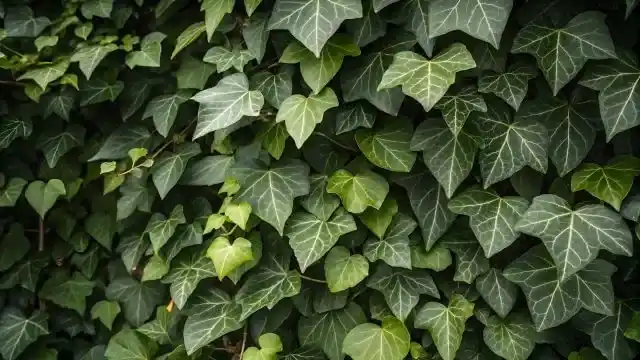
Ivy plant is a vigorous grower / climber and should not be used in any herbal preparations.
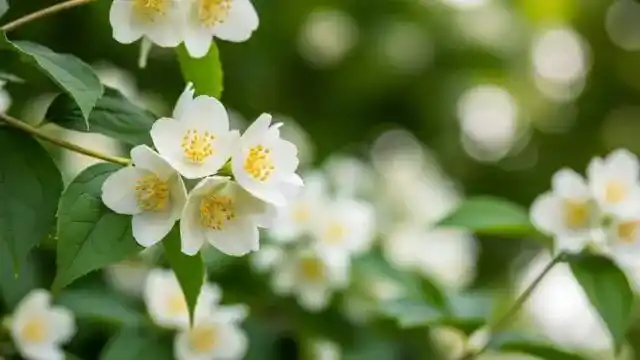
Jasmine flower is a fragrant blossom traditionally used in teas, aromatic blends, and skin care preparations. It has long been associated with relaxation and uplifting scent-based herbal practice. Native to Asia and the Middle East, jasmine is widely valued for its delicate white flowers.
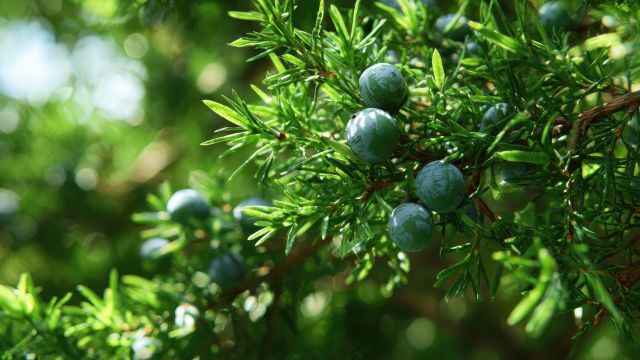
Juniper is an aromatic evergreen shrub traditionally valued for its berry-like cones. Juniper berries have long been used in herbal practice for urinary and digestive support. Native across Europe, Asia, and North America, juniper is also known for its resinous scent and culinary use.
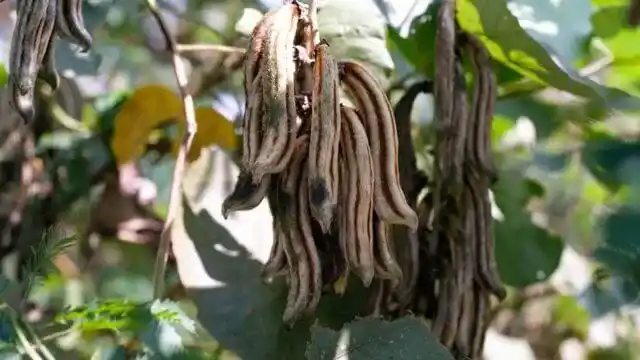
Kapikacchu is a tropical climbing legume traditionally used in Ayurvedic herbal practice. The seeds are the most widely used part after careful processing. Native to tropical regions of Asia and Africa, the plant is known for its pods, which are covered in irritating hairs.
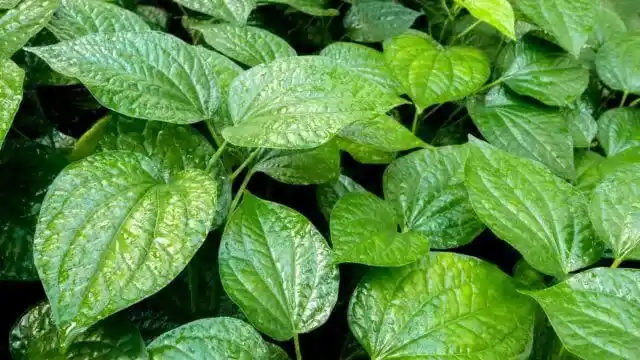
Kava is a tropical Pacific shrub traditionally used as a ceremonial and relaxing beverage. The peeled root and rhizome are the parts most often prepared. Native to the Pacific Islands, kava is widely recognized for its cultural significance as well as its distinctive earthy drink.
Knotgrass is a small, hardy herb traditionally used in astringent and digestive herbal preparations. The aerial parts have a long history of use in older European herbal practice. Known for its wiry stems, knotgrass commonly grows in compacted soils and disturbed ground.
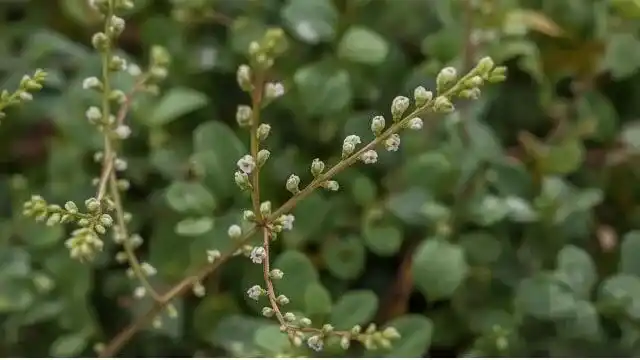
Kola nut is a caffeine-containing seed traditionally used for stamina and alertness. Long valued in West African cultural and herbal traditions, it is often prepared as a powder or stimulating tonic ingredient. Kola nut comes from tropical evergreen trees and has a distinctly bitter taste.
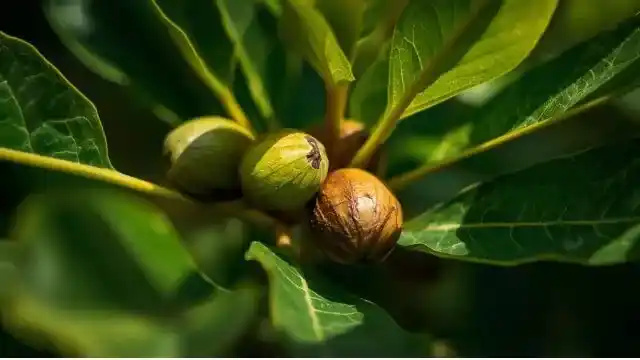
Kutki is a small alpine Himalayan herb traditionally used in Ayurvedic practice. The rhizome is the part most often dried and prepared. Native to high mountain regions, kutki is known for its bitter taste and longstanding use in classical herbal systems.
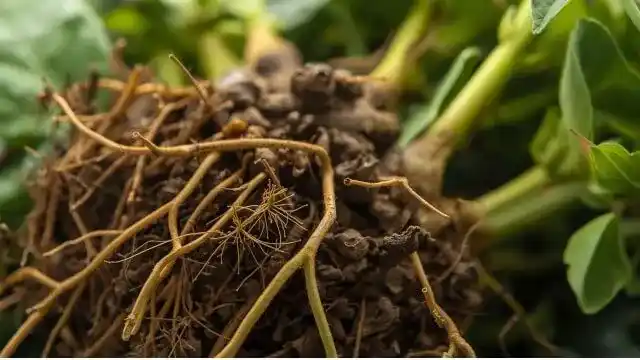
Lady’s Mantle is a traditional herb used in herbal preparations for traditional women’s herbal preparations. The plant has a long history in European and Asian herbal traditions.
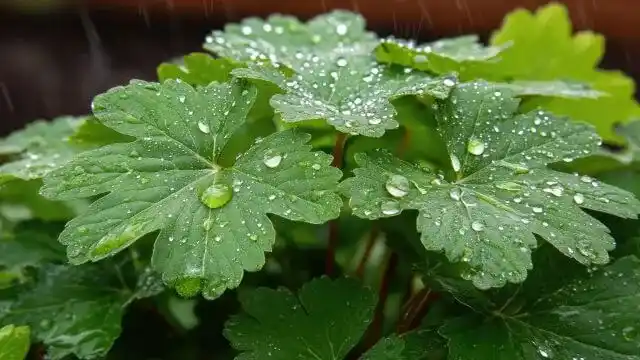
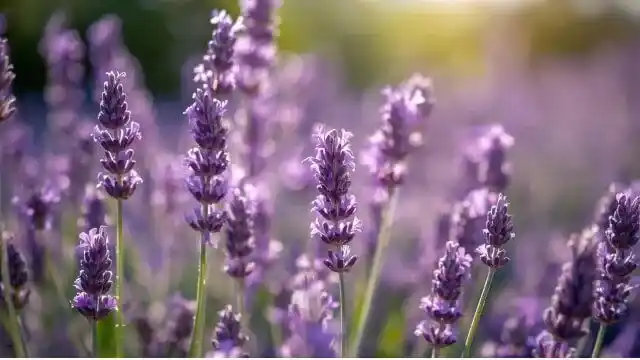
Lavender is a fragrant flowering herb long valued in traditional herbal practice for its calming aroma and soothing properties. The flowers are commonly used in teas, oils, and aromatic preparations and have a long history of use to support relaxation, restful sleep, and gentle skin care.
We are currently developing detailed plant profiles covering traditional uses, preparation methods, safety considerations, and current research. New herb guides are added regularly as we build this comprehensive A–Z botanical resource.
Explore our growing collection of medicinal and culinary herbs used in traditional and modern herbal practices. Each herb profile provides clear, research-informed information about traditional uses, preparation methods, safety considerations, and botanical background.
Whether you’re interested in herbal teas, plant-based remedies, or learning more about the history and science behind medicinal plants, this A–Z guide is designed to help you better understand the role of herbs in natural wellness.
Each plant page will include:
New herb profiles are added regularly as our botanical reference library continues to expand.
Our detailed plant guides are currently being developed. Upcoming herb profiles include:
Please check back soon as we continue building this comprehensive herbal resource.
Looking for a specific plant?
Browse the full Flowers, Herbs & Plants A–Z directory →We are currently developing detailed plant profiles covering traditional uses, preparation methods, safety considerations, and current research. New herb guides are added regularly as we build this comprehensive A–Z botanical resource.
Explore our growing collection of medicinal and culinary herbs used in traditional and modern herbal practices. Each herb profile provides clear, research-informed information about traditional uses, preparation methods, safety considerations, and botanical background.
Whether you’re interested in herbal teas, plant-based remedies, or learning more about the history and science behind medicinal plants, this A–Z guide is designed to help you better understand the role of herbs in natural wellness.
Each plant page will include:
New herb profiles are added regularly as our botanical reference library continues to expand.
Looking for a specific plant?
Browse the full Flowers, Herbs & Plants A–Z directory →Ivy plant is a vigorous grower / climber and should not be used in any herbal preparations.
Jasmine flower is a fragrant blossom traditionally used in teas, aromatic blends, and skin care preparations. It has long been associated with relaxation and uplifting scent-based herbal practice. Native to Asia and the Middle East, jasmine is widely valued for its delicate white flowers.
Juniper is an aromatic evergreen shrub traditionally valued for its berry-like cones. Juniper berries have long been used in herbal practice for urinary and digestive support. Native across Europe, Asia, and North America, juniper is also known for its resinous scent and culinary use.
Kapikacchu is a tropical climbing legume traditionally used in Ayurvedic herbal practice. The seeds are the most widely used part after careful processing. Native to tropical regions of Asia and Africa, the plant is known for its pods, which are covered in irritating hairs.
Kava is a tropical Pacific shrub traditionally used as a ceremonial and relaxing beverage. The peeled root and rhizome are the parts most often prepared. Native to the Pacific Islands, kava is widely recognized for its cultural significance as well as its distinctive earthy drink.
Knotgrass is a small, hardy herb traditionally used in astringent and digestive herbal preparations. The aerial parts have a long history of use in older European herbal practice. Known for its wiry stems, knotgrass commonly grows in compacted soils and disturbed ground.
Kola nut is a caffeine-containing seed traditionally used for stamina and alertness. Long valued in West African cultural and herbal traditions, it is often prepared as a powder or stimulating tonic ingredient. Kola nut comes from tropical evergreen trees and has a distinctly bitter taste.
Kutki is a small alpine Himalayan herb traditionally used in Ayurvedic practice. The rhizome is the part most often dried and prepared. Native to high mountain regions, kutki is known for its bitter taste and longstanding use in classical herbal systems.
Lady’s Mantle is a traditional herb used in herbal preparations for traditional women’s herbal preparations. The plant has a long history in European and Asian herbal traditions.
Lavender is a fragrant flowering herb long valued in traditional herbal practice for its calming aroma and soothing properties. The flowers are commonly used in teas, oils, and aromatic preparations and have a long history of use to support relaxation, restful sleep, and gentle skin care.
Please check back soon as we continue building this comprehensive herbal resource.
Medicinal herbs have been used for centuries across cultures to support skin health, digestion, sleep, immune function, and overall well-being. Understanding how herbs are traditionally prepared and used — along with proper safety considerations — is essential for informed herbal practice.
This guide is intended for educational purposes and aims to provide balanced, easy-to-understand information about plant-based wellness.
About Us
Organic Goodness offers the Flowers & Herbs website as an educational resource covering medicinal herbs, essential oils, botanical traditions and natural living.
Browse
Links
The information on this website is for educational purposes only and is not intended as medical advice. Always consult a qualified healthcare professional before using herbs, supplements, or natural products.