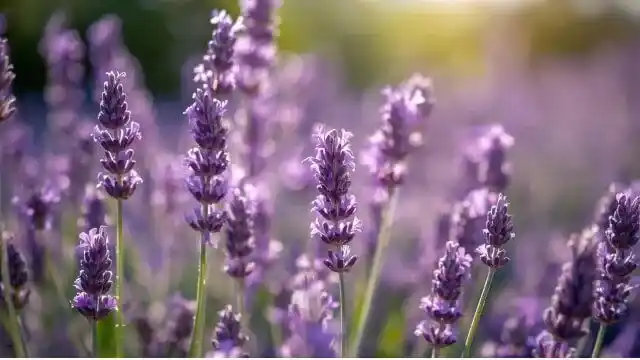
Lavender has a long history as a fragrant garden plant and household herb. It is often associated with the Mediterranean region, the Middle East, and India, with traditional use dating back thousands of years.
In ancient traditions, lavender was valued for its scent and its place in bathing, body care, and aromatic preparations. The Romans are especially associated with using lavender to scent baths, beds, clothing, and hair. The name lavender is also commonly linked with the Latin word lavare, meaning “to wash.”
Lavender later became part of European household traditions, especially for freshening linens, wardrobes, drawers, and stored fabrics. Dried lavender bundles and sachets were used in the home for their clean floral aroma, and lavender also became a familiar herb in culinary, cosmetic, and aromatic preparations.
Today, lavender is still used in many of these gentle traditional ways, including sachets, bath blends, infused oils, soaps, salves, room sprays, and garden plantings. You can read more about the history of lavender from Warwick Furnace Farm.
Lavender has traditionally been used to support:
- Relaxation and restful sleep
- Mild nervous tension and emotional balance
- Digestive comfort
- Skin soothing preparations
- Traditional aromatic herbal remedies
Historically, lavender has been valued across Mediterranean and European herbal traditions for its pleasant fragrance and calming nature. The flowers were often used in herbal sachets, bath preparations, and aromatic oils to promote relaxation and wellbeing.


 Tea (Infusion)