

Jasmine Benefits & Uses (Jasminum officinale)

Jasmine flower is the fragrant blossom of Jasminum officinale, a flowering vine in the Oleaceae family native to parts of Asia and the Middle East. The plant is known for its twining habit, delicate white blooms, and sweet aroma, with the flowers being the part traditionally used.

In traditional herbal and aromatic practice, jasmine flowers have been used in teas, infused oils, and perfumed preparations. They are commonly associated with relaxation, uplifting aroma, and gentle skin care applications.

Jasmine is especially valued for its scent, and much of its traditional use overlaps with both herbal and aromatic traditions.

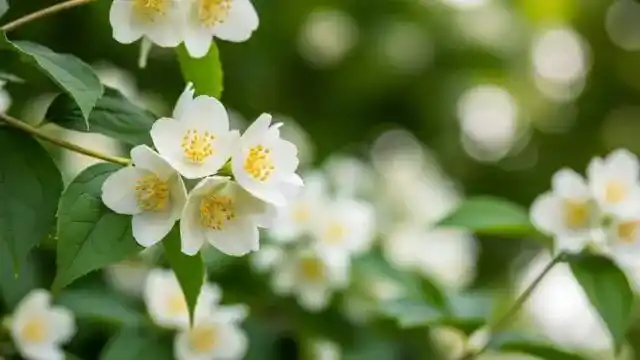
Jasmine Benefits and Traditional Uses

Jasmine Flower has traditionally been used to support:

  • Fragrant herbal teas and blends
  • Relaxation and aromatic support
  • Infused oils and floral skin preparations
  • Bath and sachet blends
  • Traditional perfumed herbal preparations

Historically, jasmine flowers have been valued across many cultures for their beautiful fragrance and their place in both aromatic and herbal traditions.

“Jasmine has long been loved for the sweetness of its flowers and the comfort of its fragrance.”

“Jasmine has long been loved for the sweetness of its flowers and the comfort of its fragrance.”

— Traditional aromatic herbal reference

Jasmine Preparation Methods

Jasmine Flower can be prepared in several traditional ways:


Tea

Dried jasmine flowers may be steeped in hot water or blended with tea leaves for a fragrant traditional infusion.

Part of the plant used: Flowers

Infused Oil

Jasmine flowers may be infused into a carrier oil for aromatic skin care preparations.

Part of the plant used: Flowers

Bath Blend

Dried flowers may be added to herbal bath blends for fragrance and relaxation.

Part of the plant used: Flowers

Sachet or Potpourri

The dried flowers are often used in sachets and aromatic household preparations.

Part of the plant used: Flowers


Growing Jasmine

Jasmine is a fragrant flowering vine that grows best in warm climates with good light and protection from severe frost.

  • Prefers full sun to partial shade depending on climate
  • Grows best in fertile, well-drained soil with regular watering during active growth
  • Generally suited to USDA zones 8-10 outdoors, with container growing in cooler regions
  • Commonly grown in warm southern areas of the United States or as a greenhouse and patio plant

Jasmine benefits from support for climbing and from pruning after flowering to maintain shape. In colder climates, it is often protected indoors during winter.


Safety Considerations

Jasmine flower has a long history of traditional use and is generally regarded as gentle, however some individuals may still need to use caution.

However:

  • Some individuals may experience mild skin irritation from topical jasmine preparations, especially when fragrance sensitivity is present.
  • Highly concentrated fragrance products are not the same as mild herbal flower preparations and may be more irritating.
  • People with known sensitivity to strongly scented flowers should use caution.
  • Pregnant or breastfeeding individuals should consult a qualified healthcare professional before using concentrated herbal or aromatic products.
  • Patch testing is advisable before wider topical use.
  • Always consult a qualified healthcare professional before using herbs for health purposes.

This information is provided for educational purposes only and is not medical advice.

Image Disclaimer: Images are for reference only and should not be used as the sole method of identification. Always confirm identification with a qualified source.
Frequently Asked Questions
What is jasmine flower used for?

Jasmine flower is traditionally used in aromatic teas, infused oils, bath blends, and floral preparations. It is especially valued for its fragrance and relaxing character.

Can jasmine flower be used in tea?

Yes. Dried jasmine flowers are commonly added to herbal infusions or blended with tea leaves for fragrance and flavor.

What part of jasmine is used?

The flowers are the part most commonly used in traditional jasmine preparations.

Does jasmine grow in the United States?

Yes. Jasmine can grow outdoors in warmer parts of the United States, generally in USDA zones 8-10, and is also grown in containers in cooler regions.

Is jasmine flower safe for skin care?

Jasmine flower is often used in skin care preparations, but some people with fragrance sensitivity may develop irritation. Patch testing is a sensible precaution.

Is jasmine the same as jasmine essential oil?

Not exactly. The whole flower used in teas or infused oils is much milder than concentrated aromatic extracts or fragrance products.

Jasmine Benefits and Traditional Uses

Help Us Improve the Jasmine Page

Do you grow, photograph, study, or work with this plant?

If you have an accurate photo, growing experience, traditional use note, identification detail, correction, or useful source to share, we would love to hear from you.

Your contribution may help improve the accuracy, usefulness, and educational value of this page for other readers.


Share a photo, correction, or plant note →

Botanical Overview

  • Botanical name: Jasminum officinale
  • Family: Oleaceae
  • Plant type: Flowering vine
  • Native region: Asia and the Middle East
  • Common names: Common jasmine, poet’s jasmine, jasmine