

Knotgrass Benefits & Uses (Polygonum aviculare)

Knotgrass, also known botanically as Polygonum aviculare, is a low-growing annual herb in the Polygonaceae family found across Europe, Asia, and North America. It forms wiry, creeping stems with small leaves and inconspicuous flowers, and the aerial parts are the portion traditionally used in herbal preparations.

In traditional herbal practice, knotgrass has been associated with astringent preparations, digestive support, and older household herb uses. It is usually prepared as a tea, decoction, or dried herb infusion.

Because it grows close to the ground and tolerates heavy foot traffic, knotgrass has long been recognized as a tough and widespread wayside plant.

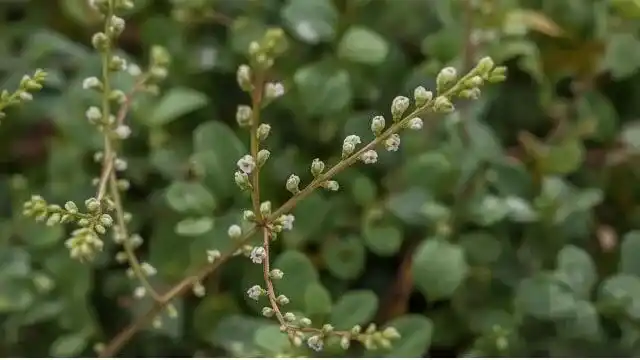
Knotgrass Benefits and Traditional Uses

Knotgrass has traditionally been used to support:

  • Astringent herbal tea preparations
  • Traditional digestive support
  • Older household herb formulas
  • Mild external washes and compresses
  • Traditional general herbal tonics

Historically, knotgrass appeared in older European herbals as a common country herb valued for its astringent character and ready availability.

“Knotgrass was once counted among the common country herbs of practical household use.”

“Knotgrass was once counted among the common country herbs of practical household use.”

— Traditional English herbal reference

Knotgrass Preparation Methods

Knotgrass can be prepared in several traditional ways:


Tea

The dried aerial parts may be steeped in hot water to make a traditional herbal tea.

Part of the plant used: Aerial parts

Decoction

Knotgrass may be gently simmered for a stronger traditional preparation.

Part of the plant used: Aerial parts

Wash

The herb may be prepared in water for traditional external wash applications.

Part of the plant used: Aerial parts

Compress

A cooled infusion may be used to moisten a traditional herbal compress.

Part of the plant used: Aerial parts


Growing Knotgrass

Knotgrass is a tough annual herb that grows close to the ground and thrives in disturbed, compacted, and low-fertility soils.

  • Prefers full sun but tolerates light shade
  • Grows in poor, compacted, sandy, or gravelly soil with minimal care
  • Found across a wide range of climates and commonly seen in USDA zones throughout much of the United States
  • Often considered a weedy plant in paths, yards, roadsides, and disturbed ground

Knotgrass is resilient and self-seeds readily where conditions suit it. Because it is often treated as a weed, it is more commonly foraged than intentionally cultivated.


Safety Considerations

Knotgrass has a history of traditional use, however as with any astringent herb, some precautions still apply.

However:

  • Large amounts of astringent herbs may cause digestive discomfort or constipation in some individuals.
  • Wild-harvested knotgrass should be collected only from clean areas away from heavy traffic or contaminated soils.
  • Individuals with known plant sensitivities should use caution when trying knotgrass for the first time.
  • Pregnant or breastfeeding individuals should consult a qualified healthcare professional before using herbal preparations regularly.
  • Correct plant identification is important when foraging low-growing wayside plants.
  • Always consult a qualified healthcare professional before using herbs for health purposes.

This information is provided for educational purposes only and is not medical advice.

Image Disclaimer: Images are for reference only and should not be used as the sole method of identification. Always confirm identification with a qualified source.
Frequently Asked Questions
What is knotgrass traditionally used for?

Knotgrass has traditionally been used in astringent and digestive herbal preparations. It also appeared in older household herbal practice as a common country herb.

What part of knotgrass is used?

The aerial parts of knotgrass are the part most commonly used in traditional herbal preparations.

How is knotgrass prepared?

Knotgrass is usually prepared as a tea, decoction, wash, or compress using the dried aerial parts.

Is knotgrass considered a weed?

Yes. Knotgrass is often considered a weedy plant because it grows readily in disturbed soil, paths, and compacted ground.

Can knotgrass grow in the United States?

Yes. Knotgrass is widely found across the United States in disturbed areas and adapts to many climates and soil types.

Are there safety concerns with knotgrass?

Knotgrass is generally used in modest traditional amounts, but wild material should be correctly identified and gathered from clean ground.

Knotgrass Benefits and Medicinal Uses

Help Us Improve the Knotgrass Page

Do you grow, photograph, study, or work with this plant?

If you have an accurate photo, growing experience, traditional use note, identification detail, correction, or useful source to share, we would love to hear from you.

Your contribution may help improve the accuracy, usefulness, and educational value of this page for other readers.


Share a photo, correction, or plant note →

Botanical Overview

  • Botanical name: Polygonum aviculare
  • Family: Polygonaceae
  • Plant type: Annual herb
  • Native region: Europe, Asia, and North America
  • Common names: Common knotgrass, birdweed, doorweed