
We are building a comprehensive database of plant profiles on Flowers and Herbs. This will be followed by detailed essential oil information and, finally, remedies to help you learn how to use plants and essential oils for overall well-being.
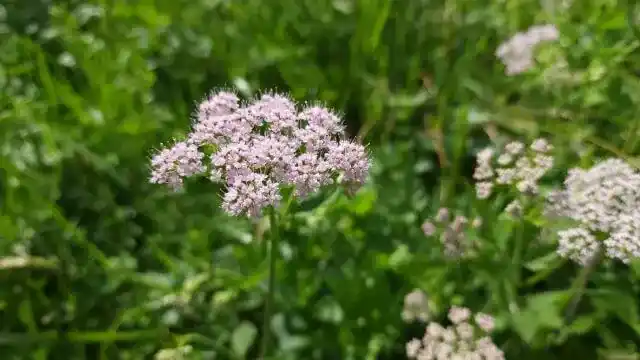
Valerian is a tall flowering herb best known in herbal practice for its strongly scented root. It has long been used in tinctures, teas, and bedtime formulas intended to support relaxation. Native to Europe and Asia, it is now cultivated in temperate regions including parts of the United States.
Vervain is a slender flowering herb with a long history in European folk herbalism. It is traditionally used in teas, tinctures, and blends for nervous tension and digestion. Native to Europe, Asia, and North Africa, vervain is now naturalized in parts of North America.
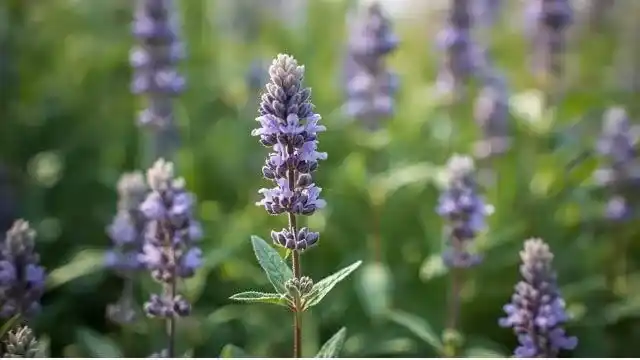
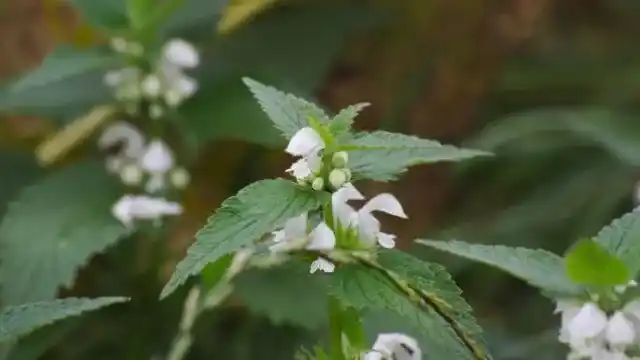
White deadnettle is a flowering mint-family herb traditionally used in gentle teas and herbal infusions. The aerial parts and flowers are most often used. It is notable for looking somewhat like nettle while lacking the sting and for its soft white hooded flowers.
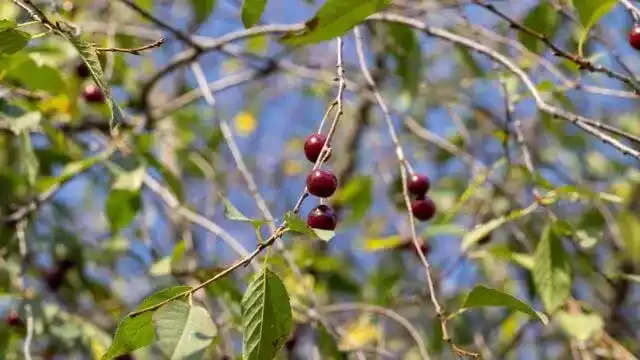
Wild cherry is a North American tree traditionally valued for its bark in older herbal preparations. The bark is the part most often used. It is notable for its fragrant blossoms, dark fruit, and important safety considerations linked to cyanogenic compounds in the plant.
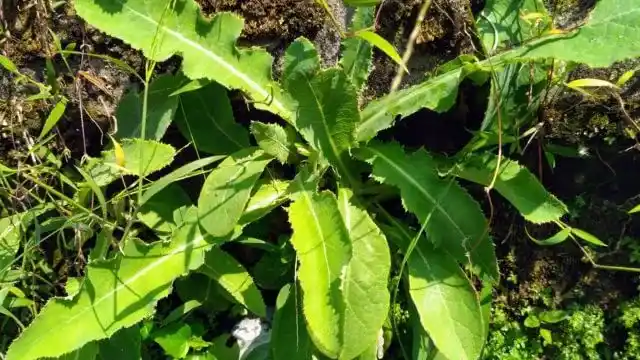
Wild lettuce is a bitter traditional herb known for its milky latex and older relaxation use. It appears in historic teas and tinctures and is often associated with evening herbal practice. Native to Europe and western Asia, it has a long place in older Western herb lore.
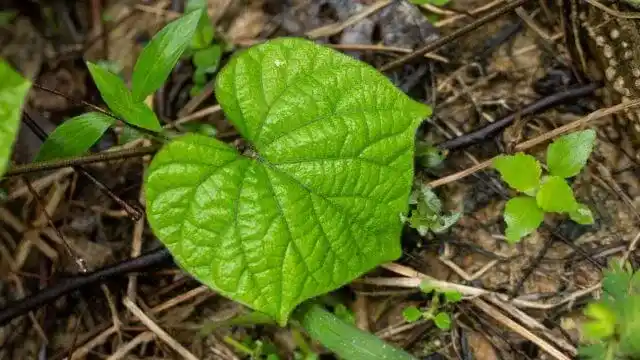
Wild yam is a North American twining vine traditionally used in root-based herbal preparations. It has long been associated with digestive comfort and women’s wellness formulas in older American herbal practice. The plant is distinct from the edible yams commonly sold in grocery stores.
Wintergreen is a woodland evergreen herb traditionally valued for its aromatic leaves and external-use comfort preparations. It is associated with liniments, topical blends, and older herbal teas. Native to eastern North America, it is well known for its distinctive fresh wintergreen scent.
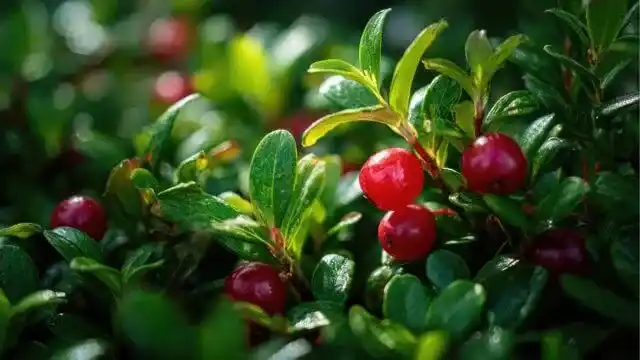
Witch hazel is a North American shrub traditionally valued for astringent skin-care preparations. The bark, leaves, and twigs have long been used in washes, distillates, and topical products. It is one of the best-known traditional herbs for external use in modern herbal skin care.
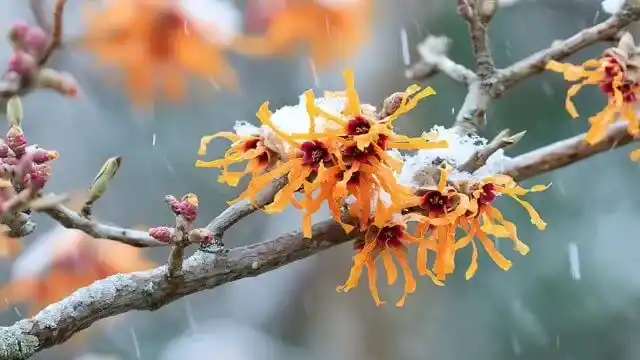
Woad is a historic dye herb best known for the blue color made from its leaves. It also appears in older herbal records, though it is more often remembered for craft and heritage use. Native to Europe and western Asia, woad is a striking biennial with mustard-family flowers.
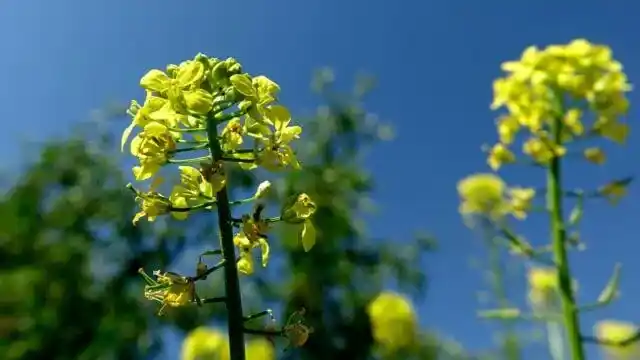
Wormwood is a silvery aromatic herb known for its intense bitterness and long history in digestive bitters. The leaves and flowering tops are used in traditional preparations and historic aperitif formulas. Native to Europe and temperate Asia, it is one of the strongest classic bitter herbs in Western herb lore.
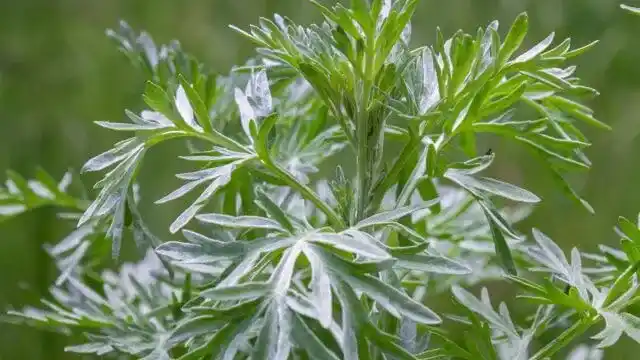
We are currently developing detailed plant profiles covering traditional uses, preparation methods, safety considerations, and current research. New herb guides are added regularly as we build this comprehensive A–Z botanical resource.
Explore our growing collection of medicinal and culinary herbs used in traditional and modern herbal practices. Each herb profile provides clear, research-informed information about traditional uses, preparation methods, safety considerations, and botanical background.
Whether you’re interested in herbal teas, plant-based remedies, or learning more about the history and science behind medicinal plants, this A–Z guide is designed to help you better understand the role of herbs in natural wellness.
Each plant page will include:
New herb profiles are added regularly as our botanical reference library continues to expand.
Our detailed plant guides are currently being developed. Upcoming herb profiles include:
Please check back soon as we continue building this comprehensive herbal resource.
Looking for a specific plant?
Browse the full Flowers, Herbs & Plants A–Z directory →We are currently developing detailed plant profiles covering traditional uses, preparation methods, safety considerations, and current research. New herb guides are added regularly as we build this comprehensive A–Z botanical resource.
Explore our growing collection of medicinal and culinary herbs used in traditional and modern herbal practices. Each herb profile provides clear, research-informed information about traditional uses, preparation methods, safety considerations, and botanical background.
Whether you’re interested in herbal teas, plant-based remedies, or learning more about the history and science behind medicinal plants, this A–Z guide is designed to help you better understand the role of herbs in natural wellness.
Each plant page will include:
New herb profiles are added regularly as our botanical reference library continues to expand.
Looking for a specific plant?
Browse the full Flowers, Herbs & Plants A–Z directory →Valerian is a tall flowering herb best known in herbal practice for its strongly scented root. It has long been used in tinctures, teas, and bedtime formulas intended to support relaxation. Native to Europe and Asia, it is now cultivated in temperate regions including parts of the United States.
Vervain is a slender flowering herb with a long history in European folk herbalism. It is traditionally used in teas, tinctures, and blends for nervous tension and digestion. Native to Europe, Asia, and North Africa, vervain is now naturalized in parts of North America.
White deadnettle is a flowering mint-family herb traditionally used in gentle teas and herbal infusions. The aerial parts and flowers are most often used. It is notable for looking somewhat like nettle while lacking the sting and for its soft white hooded flowers.
Wild cherry is a North American tree traditionally valued for its bark in older herbal preparations. The bark is the part most often used. It is notable for its fragrant blossoms, dark fruit, and important safety considerations linked to cyanogenic compounds in the plant.
Wild lettuce is a bitter traditional herb known for its milky latex and older relaxation use. It appears in historic teas and tinctures and is often associated with evening herbal practice. Native to Europe and western Asia, it has a long place in older Western herb lore.
Wild yam is a North American twining vine traditionally used in root-based herbal preparations. It has long been associated with digestive comfort and women’s wellness formulas in older American herbal practice. The plant is distinct from the edible yams commonly sold in grocery stores.
Wintergreen is a woodland evergreen herb traditionally valued for its aromatic leaves and external-use comfort preparations. It is associated with liniments, topical blends, and older herbal teas. Native to eastern North America, it is well known for its distinctive fresh wintergreen scent.
Witch hazel is a North American shrub traditionally valued for astringent skin-care preparations. The bark, leaves, and twigs have long been used in washes, distillates, and topical products. It is one of the best-known traditional herbs for external use in modern herbal skin care.
Woad is a historic dye herb best known for the blue color made from its leaves. It also appears in older herbal records, though it is more often remembered for craft and heritage use. Native to Europe and western Asia, woad is a striking biennial with mustard-family flowers.
Wormwood is a silvery aromatic herb known for its intense bitterness and long history in digestive bitters. The leaves and flowering tops are used in traditional preparations and historic aperitif formulas. Native to Europe and temperate Asia, it is one of the strongest classic bitter herbs in Western herb lore.
Please check back soon as we continue building this comprehensive herbal resource.
Medicinal herbs have been used for centuries across cultures to support skin health, digestion, sleep, immune function, and overall well-being. Understanding how herbs are traditionally prepared and used — along with proper safety considerations — is essential for informed herbal practice.
This guide is intended for educational purposes and aims to provide balanced, easy-to-understand information about plant-based wellness.
About Us
Organic Goodness offers the Flowers & Herbs website as an educational resource covering medicinal herbs, essential oils, botanical traditions and natural living.
Browse
Links
The information on this website is for educational purposes only and is not intended as medical advice. Always consult a qualified healthcare professional before using herbs, supplements, or natural products.