

Wormwood Uses & Safety (Artemisia absinthium)

Wormwood (Artemisia absinthium) is a perennial aromatic herb in the daisy family (Asteraceae) native to Europe, North Africa, and temperate Asia. It has silvery-gray divided leaves, a strongly bitter taste, and a penetrating herbal aroma. The leaves and flowering tops are the parts most often used in traditional preparations.

In traditional Western herbal practice, wormwood has long been associated with bitter digestive formulas and tonic preparations. It has also been linked historically with classic aperitif bitters and with the history of absinthe, though the herb itself is far older than that association.

Because wormwood is intensely bitter and chemically active, it is one of the herbs most often described as requiring measured use and thoughtful handling.

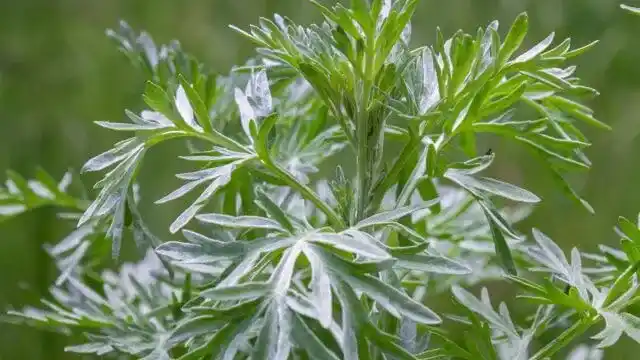
Wormwood Benefits and Traditional Uses

Wormwood has traditionally been used to support:

  • Traditional bitter digestive formulas
  • Herbal preparations associated with appetite and digestive stimulation
  • Traditional use in preparations for intestinal cleansing
  • Historic European bitter and tonic practice
  • Aromatic household and garden use

Historically, wormwood (Artemisia absinthium) has a long record of use in traditional herbal systems, particularly as a strongly bitter plant used to stimulate digestion. It was also included in older preparations associated with intestinal cleansing and parasite-focused herbal traditions.

Wormwood appears in many European herbals and became widely known through its association with absinthe, although its use in bitter medicine and household practice is much older.

“Wormwood is among the great bitter herbs of Europe and has long been valued for its powerful taste and tonic character.”

— Traditional European herbal reference

Wormwood Preparation Methods

Wormwood can be prepared in several traditional ways:


Infusion

A very small amount of dried wormwood may be steeped briefly to prepare an intensely bitter traditional infusion.

Part of the plant used: Leaves and flowering tops

Tincture

Wormwood is commonly prepared as a tincture for use in measured drops in bitter formulas.

Part of the plant used: Leaves and flowering tops

Bitters Blend

The herb has long been included in compound digestive bitters and aperitif-style preparations.

Part of the plant used: Leaves and flowering tops

Wash

Older folk practice also included external washes made from the herb.

Part of the plant used: Leaves


Growing Wormwood

Wormwood is a hardy perennial herb that forms a bushy mound of silver foliage. It prefers open sunny positions and is especially useful in dry herb gardens where many softer green herbs would struggle.

  • Prefers full sun
  • Grows best in well-drained, average to poor soil
  • Tolerates drought once established
  • Suitable for USDA zones 4–9 in many parts of the United States
  • Best grown with good airflow and without overly rich soil

Wormwood usually remains well behaved in the garden, though older plants benefit from occasional trimming. Overly rich soil or too much moisture can make growth softer and less compact.


Safety Considerations

Wormwood has a long history of traditional use, however it is a potent bitter herb with important safety considerations.

However:

  • Wormwood contains thujone and other active compounds that may be problematic in large amounts or concentrated products.
  • It is not considered suitable for casual long-term or excessive internal use.
  • Wormwood may irritate the digestive system in sensitive individuals because of its strong bitter chemistry.
  • Individuals with seizure disorders or sensitivity to thujone-containing plants should use extra caution.
  • Pregnant or breastfeeding individuals should avoid internal use unless advised by a qualified professional.
  • As a member of the Asteraceae family, wormwood may not suit individuals with daisy-family allergies.
  • Always consult a qualified professional before using herbs for health purposes.

This information is provided for educational purposes only and is not medical advice.

Image Disclaimer: Images are for reference only and should not be used as the sole method of identification. Always confirm identification with a qualified source.
Frequently Asked Questions
What is wormwood traditionally used for?

Wormwood is traditionally used in bitter digestive formulas, tonic preparations, and older aperitif blends. It is one of the best-known classic bitter herbs in European herbal practice.

What part of wormwood is used?

The leaves and flowering tops are the parts most commonly used in traditional preparations.

Is wormwood the herb used in absinthe?

Yes. Wormwood is historically associated with absinthe, although the herb itself has a much older place in digestive bitters and traditional herb use.

Can wormwood grow in the United States?

Yes. Wormwood grows in many parts of the United States, especially in USDA zones 4–9 with full sun and well-drained soil.

Does wormwood need rich soil?

No. Wormwood usually prefers leaner, well-drained soil and full sun rather than rich, damp ground.

Are there safety concerns with wormwood?

Yes. Wormwood is a potent herb that contains thujone-related compounds, so large amounts and concentrated preparations should be approached carefully.

Wormwood Health Benefits and Traditional Uses

Help Us Improve the Wormwood Page

Do you grow, photograph, study, or work with this plant?

If you have an accurate photo, growing experience, traditional use note, identification detail, correction, or useful source to share, we would love to hear from you.

Your contribution may help improve the accuracy, usefulness, and educational value of this page for other readers.


Share a photo, correction, or plant note →

Botanical Overview

  • Botanical name: Artemisia absinthium
  • Family: Asteraceae
  • Plant type: Perennial herb
  • Native region: Europe, North Africa, and temperate Asia
  • Common names: Absinthe wormwood, green ginger, absinthium