

Wild Cherry Benefits & Uses (Prunus serotina)

Wild cherry (Prunus serotina) is a deciduous tree in the rose family (Rosaceae) native to North America. It bears glossy leaves, hanging clusters of white flowers, and dark purple-black fruit. The bark, especially from younger branches, is the part most often used in traditional herbal preparations.

Wild cherry bark has a long history in North American and Western herbalism, where it was included in syrups, decoctions, and compound formulas. Because the plant contains cyanogenic compounds, correct identification and careful preparation are important.

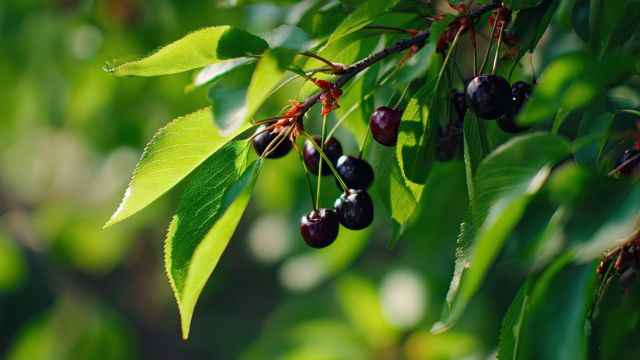
Wild Cherry Benefits and Traditional Uses

Wild Cherry has traditionally been used to support:

  • Traditional bark syrups and decoctions
  • Older North American household formulas
  • Compound herbal preparations
  • Historic use of aromatic bark preparations
  • Traditional bark extracts used with care

Wild cherry bark became especially familiar in North American herbal practice and old cough syrup traditions. The tree itself was also valued for its timber, fruit for wildlife, and ornamental spring bloom.

“Wild cherry bark held an important place in older North American herb cupboards, where careful preparation mattered as much as the bark itself.”

— Traditional North American herbal reference

Wild Cherry Preparation Methods

Wild cherry can be prepared in several traditional ways:


Decoction

Prepared wild cherry bark may be simmered gently in water for traditional decoction use.

Part of the plant used: Bark

Syrup

The bark has long been included in traditional syrup preparations.

Part of the plant used: Bark

Tincture

Wild cherry bark may also be extracted in alcohol for concentrated herbal use.

Part of the plant used: Bark

Compound Formula

It is frequently used alongside other herbs in older household formulas rather than as a stand-alone preparation.

Part of the plant used: Bark


Growing Wild Cherry

Wild cherry is a medium to large deciduous tree that grows naturally in forests, edges, and old fields across much of the United States. It prefers a sunny position and develops best where it has room to mature.

  • Prefers full sun to light partial shade
  • Grows best in well-drained soil but tolerates a range of conditions
  • Suitable for USDA growing zones 3–9 across much of the United States
  • Native to many eastern and central parts of North America
  • Can self-seed and attract birds with its fruit

Wild cherry is a useful native tree for larger landscapes, though seedlings may appear where birds distribute the fruit. Like many Prunus species, it can also be affected by common tree pests and diseases.


Safety Considerations

Wild cherry has a long history of traditional bark use, however the plant contains compounds that require careful identification and preparation.

However:

  • Wild cherry bark, leaves, seeds, and wilted foliage contain cyanogenic compounds and should be handled with care.
  • Only correctly identified bark from appropriate plant material should be used in traditional preparations.
  • The seeds should not be consumed, and wilted leaves may be toxic to grazing animals.
  • Concentrated use or inappropriate preparation is not recommended.
  • Individuals with Rosaceae family sensitivities should use caution.
  • Pregnant or breastfeeding individuals should consult a qualified healthcare professional before using wild cherry bark preparations.

This information is provided for educational purposes only and is not medical advice.

Image Disclaimer: Images are for reference only and should not be used as the sole method of identification. Always confirm identification with a qualified source.
Frequently Asked Questions
What is wild cherry traditionally used for?

Wild cherry is traditionally used for its bark, which appears in older syrups, decoctions, and compound herbal formulas. It is especially associated with North American herbal traditions.

What part of wild cherry is used?

The bark is the part most often used in herbal preparations. Leaves, seeds, and other parts are handled more cautiously.

Is wild cherry poisonous?

Parts of the wild cherry plant contain cyanogenic compounds, so correct identification and proper preparation are important. Seeds and wilted leaves should not be casually consumed.

Can wild cherry grow in the United States?

Yes. Wild cherry is native to much of the United States and grows across a wide range of climates in USDA zones 3–9.

Is wild cherry the same as black cherry?

Wild cherry commonly refers to black cherry, Prunus serotina, in North American herbal and tree references.

Why does wild cherry require caution?

It requires caution because several parts of the plant contain cyanogenic compounds, making careful use and correct identification important.

Wild Cherry Benefits and Traditional Uses

Help Us Improve the Wild Cherry Page

Do you grow, photograph, study, or work with this plant?

If you have an accurate photo, growing experience, traditional use note, identification detail, correction, or useful source to share, we would love to hear from you.

Your contribution may help improve the accuracy, usefulness, and educational value of this page for other readers.


Share a photo, correction, or plant note →

Botanical Overview

  • Botanical name: Prunus serotina
  • Family: Rosaceae
  • Plant type: Fruit tree
  • Native region: North America
  • Common names: Black cherry, wild black cherry