

Witch Hazel Benefits & Uses (Hamamelis virginiana)

Witch hazel (Hamamelis virginiana) is a deciduous shrub or small tree in the witch hazel family (Hamamelidaceae) native to eastern North America. It has wavy-edged leaves and distinctive ribbon-like yellow flowers that often appear late in the season. The bark, leaves, and young twigs are the parts most often used in traditional herbal preparations.

In North American herbal practice, witch hazel has long been associated with astringent washes, distillates, and skin-care preparations. It is especially well known for external use in toners, compresses, and soothing topical products.

Witch hazel is one of the most recognized native American shrubs in herbal skin care and remains strongly associated with liquid extracts and distilled preparations.

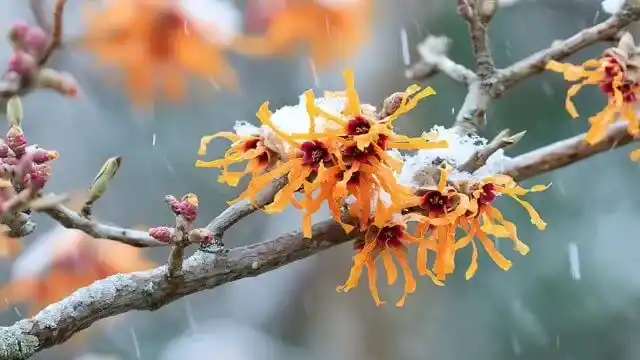
Witch Hazel Benefits and Traditional Uses

Witch hazel has traditionally been used to support:

  • Astringent skin and facial preparations
  • Topical applications associated with soothing minor skin irritations
  • Traditional use for areas of skin discomfort and external support
  • Distilled herbal extracts for external use
  • Traditional North American skin-care practices

Historically, witch hazel (Hamamelis virginiana) was widely used in North American herbal traditions, particularly for its naturally astringent properties. Its bark and leaves were prepared in washes and distillations intended to tone the skin and provide a soothing effect in cases of minor irritation.

It later became a well-known ingredient in commercial herbal extracts and toners, where it continues to be valued for external skin use.

“Witch hazel has long been one of North America’s best-known astringent shrubs for external preparations.”

— Traditional American herbal reference

Witch Hazel Preparation Methods

Witch hazel can be prepared in several traditional ways:


Distillate

Witch hazel is widely known in distilled liquid form, traditionally prepared from the bark, twigs, and leaves for external use.

Part of the plant used: Bark, twigs, and leaves

Compress

A cooled witch hazel preparation may be applied externally as a traditional herbal compress.

Part of the plant used: Leaves, bark, and twigs

Toner

Diluted witch hazel extract is often included in skin toners and external facial preparations.

Part of the plant used: Leaves and bark

Wash

Witch hazel has long been used in external washes and soothing skin-care blends.

Part of the plant used: Leaves, bark, and twigs


Growing Witch Hazel

Witch hazel is a woodland-edge shrub or small tree that grows slowly to form a broad, graceful shape. It suits naturalized gardens, native plantings, and lightly shaded areas where the soil remains reasonably moist.

  • Prefers full sun to partial shade
  • Grows best in moist, well-drained, slightly acidic soil
  • Needs regular water while establishing
  • Suitable for USDA zones 3–8 in much of the United States
  • Well suited to native plantings and woodland-edge gardens

Witch hazel is not usually invasive and can be an excellent long-term landscape plant. Its unusual flowering season makes it especially attractive in gardens focused on native shrubs and seasonal interest.  Witch hazel grows naturally in parts of eastern North America, where it may be foraged from woodland areas; traditionally, small amounts of bark and twigs are collected with care from well-established plants.


Safety Considerations

Witch hazel has a long history of traditional use, especially externally, however concentrated preparations should still be used thoughtfully.

However:

  • Witch hazel is most commonly used externally rather than as an everyday internal herb.
  • Tannin-rich preparations may cause digestive upset if taken internally in significant amounts.
  • Topical products that contain alcohol may be drying or irritating on very sensitive skin.
  • Individuals with known plant sensitivities should patch test before wider topical use.
  • Pregnant or breastfeeding individuals should consult a qualified healthcare professional before internal use.
  • The plant should be correctly identified, especially when wild-harvested.
  • Always consult a qualified professional before using herbs for health purposes.

This information is provided for educational purposes only and is not medical advice.

Image Disclaimer: Images are for reference only and should not be used as the sole method of identification. Always confirm identification with a qualified source.
Frequently Asked Questions
What is witch hazel traditionally used for?

Witch hazel is traditionally used for astringent skin-care preparations, external washes, and soothing topical products. It is especially well known in liquid extracts and distillates.

What part of witch hazel is used?

The bark, leaves, and young twigs are the parts most commonly used in herbal preparations.

Is witch hazel used internally or externally?

Witch hazel is best known as an external herb. Although internal use appears in some older texts, modern use is much more strongly associated with topical applications.

Can witch hazel grow in the United States?

Yes. Witch hazel is native to eastern North America and grows well in USDA zones 3–8 across much of the United States.

Does witch hazel need sun or shade?

Witch hazel grows well in full sun to partial shade and usually prefers moist, well-drained soil.

Is witch hazel good for skin care?

Witch hazel is widely used in traditional skin-care products because of its astringent character and long history in external washes and toners.

Witch Hazel Benefits and Traditional Uses

Help Us Improve the Witch Hazel Page

Do you grow, photograph, study, or work with this plant?

If you have an accurate photo, growing experience, traditional use note, identification detail, correction, or useful source to share, we would love to hear from you.

Your contribution may help improve the accuracy, usefulness, and educational value of this page for other readers.


Share a photo, correction, or plant note →

Botanical Overview

  • Botanical name: Hamamelis virginiana
  • Family: Hamamelidaceae
  • Plant type: Shrub
  • Native region: Eastern North America
  • Common names: American witch hazel, spotted alder, snapping hazel