

Wintergreen Uses & Safety (Gaultheria procumbens)

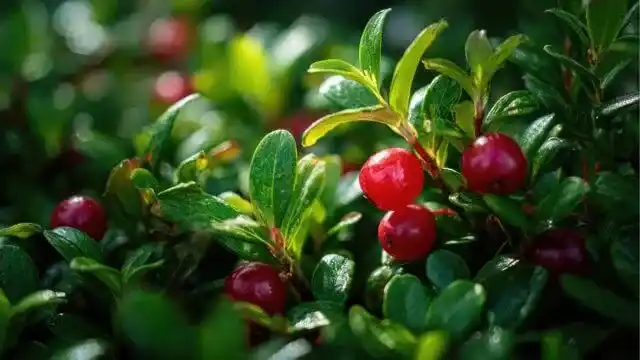
Wintergreen (Gaultheria procumbens) is a low-growing evergreen shrub in the heather family (Ericaceae) native to eastern North America. It forms glossy leaves, white bell-shaped flowers, and bright red berries in woodland settings. The aromatic leaves are the part most commonly used in traditional herbal preparations.

In traditional North American herbal practice, wintergreen has been associated with topical comfort preparations, aromatic teas, and older liniments. Its fresh scent comes from compounds related to methyl salicylate, which is why the plant is best known for external-use traditions.

Although the red berries are ornamental and attractive, the strongest traditional herbal interest centers on the leaves and their penetrating aroma.

Wintergreen essential oil is distilled from the leaves of the wintergreen plant, so the plant page and oil page are closely connected, but the essential oil is much more concentrated and needs careful dilution before use.

Wintergreen Benefits and Traditional Uses

Wintergreen (Gaultheria procumbens) is a low-growing evergreen native to North America and a member of the heath (Ericaceae) family, which also includes blueberries. Its aromatic leaves have a long history of traditional use, particularly in external applications associated with comfort and in older herbal practices connected to digestive and respiratory support.

Wintergreen has traditionally been used to support:

  • Traditional topical comfort formulas
  • Older liniments and massage blends
  • Aromatic woodland herbal teas
  • Herbal preparations associated with muscle and joint comfort
  • External-use folk practice in North America

Historically, wintergreen was valued by Indigenous communities and later North American herbalists for its strongly aromatic leaves and traditional external applications. It became especially well known in liniments, salves, and concentrated topical preparations, where its distinctive scent and character were widely recognized.

“Wintergreen is remembered most for its penetrating woodland aroma and its place in older external-use comfort formulas.”

— Traditional North American herbal reference

Wintergreen Preparation Methods

Wintergreen can be prepared in several traditional ways:


Tea

The leaves may be steeped in hot water to make an aromatic traditional tea.

Part of the plant used: Leaves

Infused Oil

Wintergreen leaf has historically been included in infused oils and strongly scented topical herbal preparations.

Part of the plant used: Leaves

Liniment

The aromatic leaves may be prepared in alcohol-based liniments intended for external use.

Part of the plant used: Leaves

Salve or Balm

Wintergreen preparations are often incorporated into topical balms and rubs used externally.

Part of the plant used: Leaves


Growing Wintergreen

Wintergreen is a slow-spreading evergreen groundcover that prefers cool woodland conditions. It does best where the soil is acidic and rich in organic matter, similar to the conditions favored by many forest understory plants.

  • Prefers partial shade to full shade
  • Grows best in acidic, humus-rich, well-drained soil
  • Needs consistent moisture but does not like waterlogged conditions
  • Suitable for USDA zones 3–8 in cooler parts of the United States
  • Best suited to woodland gardens and shaded borders

Wintergreen can be slow to establish but makes an attractive native groundcover where conditions are right. It is not usually invasive, but it does appreciate an undisturbed woodland-style setting.


Safety Considerations

Wintergreen has a long history of traditional use, however it contains potent aromatic compounds and should be used with care.

However:

  • Wintergreen contains methyl salicylate-related compounds and is not appropriate for casual internal use in large amounts.
  • Concentrated wintergreen oil is far stronger than the leaf and should be treated as a potent ingredient.
  • Individuals sensitive to aspirin or salicylates should use caution.
  • Wintergreen preparations may interact with anticoagulant medications or other products that affect blood clotting.
  • Topical use may irritate sensitive skin and patch testing is sensible.
  • Pregnant or breastfeeding individuals should consult a qualified healthcare professional before using concentrated preparations.
  • Always consult a qualified professional before using herbs for health purposes.

This information is provided for educational purposes only and is not medical advice.

Image Disclaimer: Images are for reference only and should not be used as the sole method of identification. Always confirm identification with a qualified source.
Frequently Asked Questions
What is wintergreen traditionally used for?

Wintergreen is traditionally used in aromatic topical preparations, liniments, and older comfort-focused herbal blends. The leaves were also used in traditional teas.

What part of wintergreen is used?

The leaves are the part most commonly used. They are valued for their strong aroma and are prepared in teas, infused oils, and external-use formulas.

Is wintergreen safe to swallow?

Wintergreen leaf and especially wintergreen oil should be used carefully because the plant contains potent salicylate-related compounds. Concentrated products are not appropriate for casual internal use.

Can wintergreen grow in the United States?

Yes. Wintergreen is native to eastern North America and grows well in USDA zones 3–8 when it has shade, acidic soil, and consistent moisture.

Does wintergreen need full sun?

No. Wintergreen usually prefers partial shade to full shade and is best suited to woodland-style conditions.

Are wintergreen berries edible?

Wintergreen berries have been eaten traditionally in small amounts, but the herb is mainly valued for its aromatic leaves and concentrated preparations should always be approached carefully.

Wintergreen Benefits and Medicinal Uses

Help Us Improve the Wintergreen Page

Do you grow, photograph, study, or work with this plant?

If you have an accurate photo, growing experience, traditional use note, identification detail, correction, or useful source to share, we would love to hear from you.

Your contribution may help improve the accuracy, usefulness, and educational value of this page for other readers.


Share a photo, correction, or plant note →

Botanical Overview

  • Botanical name: Gaultheria procumbens
  • Family: Ericaceae
  • Plant type: Low-growing shrub
  • Native region: Eastern North America
  • Common names: American wintergreen, teaberry, checkerberry