

Woad Benefits & Uses (Isatis tinctoria)

Woad (Isatis tinctoria) is a biennial herb in the mustard family (Brassicaceae) native to Europe and western Asia. It forms a basal rosette in its first year and sends up tall flowering stems with small yellow blossoms in its second season. The leaves are the part best known historically and were used both for dyeing and in some traditional herbal preparations.

Woad is most famous as a historic blue dye plant, but it also appears in older herbal records, especially in East Asian traditions involving related Isatis preparations. In Western herb lore, it is often remembered more for color and craft history than for everyday household medicine.

Because woad has a strong historical identity as a dye plant, it is often grown as much for educational or heritage gardens as for herbal interest.

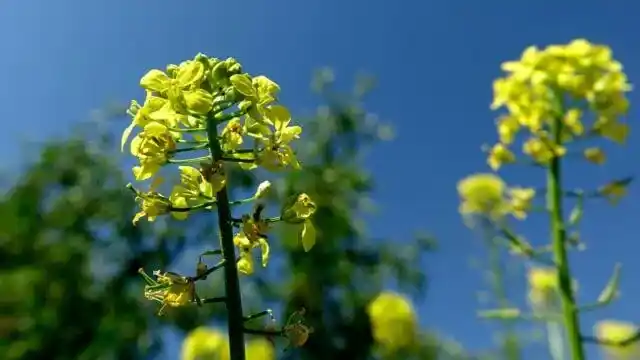
Woad Benefits and Traditional Uses

Woad has traditionally been used to support:

  • Historic dye plant traditions
  • Traditional preparations associated with cooling herbal practice
  • Herbal use connected with throat and respiratory support in traditional systems
  • Preparations associated with skin-focused herbal traditions
  • Heritage garden, craft, and educational botanical interest

Historically, woad (Isatis tinctoria) was one of Europe’s most important blue dye plants and held major economic value before imported indigo became widespread. In herbal contexts, related Isatis species appear in East Asian traditions, where they have been used in preparations associated with throat, respiratory, and skin support.

Today, woad remains of interest both for its historical significance and its place within traditional herbal systems.

“Woad is remembered as one of the great dye plants of Europe, with leaves that shaped both craft and history.”

— Historical botanical reference

Woad Preparation Methods

Woad can be prepared in several traditional ways:


Leaf Paste

Fresh woad leaves were historically crushed and processed to create dye-rich material in traditional craft practice.

Part of the plant used: Leaves

Infusion

The leaves have also appeared in older herbal infusions and decoction-style preparations in traditional records.

Part of the plant used: Leaves

Poultice

Fresh leaf material has occasionally been used in simple external folk preparations.

Part of the plant used: Leaves

Dye Vat

Processed woad leaf was fermented and prepared in dye vats to produce the plant’s famous blue color.

Part of the plant used: Leaves


Growing Woad

Woad is a robust biennial that grows quickly from seed and forms a large leaf rosette before flowering in its second year. It prefers open sunny ground and can handle relatively poor soil once established.

  • Prefers full sun
  • Grows best in well-drained soil
  • Tolerates drier conditions better than many soft herbs once established
  • Suitable for USDA zones 4–8 in many parts of the United States
  • Can self-seed and may be considered invasive in some regions

Because woad can seed freely, gardeners should check local regulations before planting it. In some areas it is listed as a noxious or invasive weed, so cultivation may be restricted.


Safety Considerations

Woad has a long history of traditional and dye use, however it is not generally regarded as a casual everyday food or herb.

However:

  • Woad should be correctly identified because it belongs to the mustard family and may be confused with related plants.
  • The plant is used more often historically or externally than as a common household herb.
  • Some individuals may experience digestive upset if using unfamiliar internal preparations.
  • Topical leaf preparations may irritate sensitive skin in some people.
  • Pregnant or breastfeeding individuals should consult a qualified healthcare professional before using woad internally.
  • Gardeners should check local restrictions because woad may be invasive in some US regions.
  • Always consult a qualified professional before using herbs for health purposes.

This information is provided for educational purposes only and is not medical advice.

Image Disclaimer: Images are for reference only and should not be used as the sole method of identification. Always confirm identification with a qualified source.
Frequently Asked Questions
What is woad best known for?

Woad is best known as a historic blue dye plant. Its leaves were processed to create blue pigment long before imported indigo became common in Europe.

Is woad used as a medicinal herb?

Woad does appear in some older herbal records, but it is more widely known for dye history than for modern household herbal use.

What part of woad is used?

The leaves are the most important part. They were used for dye making and are also the part most often mentioned in traditional preparations.

Can woad grow in the United States?

Yes. Woad can grow in USDA zones 4–8, but gardeners should check local rules because it may be invasive in some regions.

Is woad invasive?

It can be. Woad self-seeds readily and is considered invasive or restricted in some areas.

Does woad need full sun?

Yes. Woad generally grows best in full sun with well-drained soil.

Woad Health Benefits and Traditional Uses

Help Us Improve the Woad Page

Do you grow, photograph, study, or work with this plant?

If you have an accurate photo, growing experience, traditional use note, identification detail, correction, or useful source to share, we would love to hear from you.

Your contribution may help improve the accuracy, usefulness, and educational value of this page for other readers.


Share a photo, correction, or plant note →

Botanical Overview

  • Botanical name: Isatis tinctoria
  • Family: Brassicaceae
  • Plant type: Biennial herb
  • Native region: Europe and western Asia
  • Common names: Dyer's woad, glastum