

Valerian Benefits & Uses (Valeriana officinalis)

Valerian, or Valeriana officinalis, is a perennial herb in the Caprifoliaceae family with feathered leaves, clusters of pale fragrant flowers, and a dense aromatic root system. Native to Europe and parts of Asia, it is cultivated in many temperate regions. The root and rhizome are the parts most often used in traditional herbal practice and are known for their strong distinctive scent.

In Western herbal traditions, valerian has long been associated with evening formulas, nervous tension, and relaxation support. It is usually prepared as a tincture, tea, capsule, or decoction and is often combined with other calming herbs in bedtime blends.

Because valerian prefers cooler conditions and moist fertile soil, it tends to grow best in temperate US climates rather than very hot dry regions.

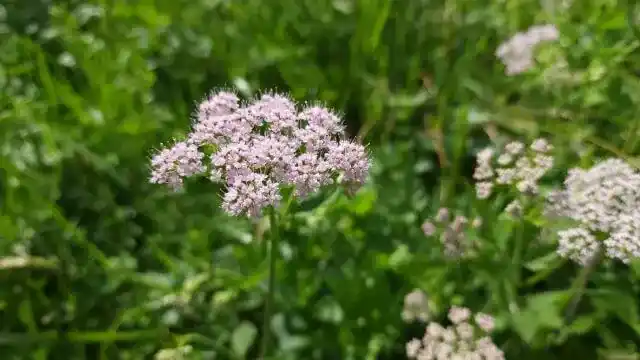
Valerian Benefits and Traditional Uses

Valerian has traditionally been used to support:

  • Evening herbal formulas for relaxation and settling
  • Bedtime teas and tinctures
  • Nervous tension and restlessness in traditional Western herbalism
  • Combined calming blends with other nervine herbs
  • Traditional support during times of stress and agitation
  • Root-based herbal preparations with a strong distinctive aroma

Historically, valerian has been one of the best-known relaxing roots in European herbal practice. Although its scent is often described as strong and unusual, the root remains a classic ingredient in nighttime and calming formulas.

“Valerian root has long been one of the classic evening herbs of European practice, valued for use in quieting and settling formulas.”

— Traditional European herbal practice

Valerian Preparation Methods

Valerian can be prepared in several traditional ways:


Tincture

The fresh or dried root is commonly extracted in alcohol to create a concentrated tincture. This is one of the most common modern and traditional ways valerian is used.

Part of the plant used: Root and rhizome

Tea or Decoction

The dried root may be steeped or gently simmered to prepare a strong herbal tea, often blended with milder herbs because of its intense flavor and aroma.

Part of the plant used: Root and rhizome

Capsules or Powder

The dried root may be ground and used in capsule or powder form as a traditional root preparation.

Part of the plant used: Root and rhizome

Tea Blend

Valerian is often combined with more pleasant-tasting herbs in evening tea blends.

Part of the plant used: Root and rhizome


Growing Valerian

Valerian is an upright perennial herb that produces leafy stems and clusters of pale flowers above a dense root crown. It prefers cooler growing conditions and develops best where soil stays moderately moist without becoming waterlogged.

  • Prefers full sun to partial shade and fertile, moisture-retentive, well-drained soil
  • Needs regular water, especially in dry weather and during establishment
  • Hardy in USDA growing zones 4-9 in many temperate parts of the United States
  • Best suited to cooler northern, mountain, or mild-temperate gardens

Valerian can self-seed in favorable conditions and may spread if flower heads are left to mature. The root is usually harvested from older plants, and the strong scent becomes more noticeable after digging and drying.


Safety Considerations

Valerian has a long history of traditional use as a relaxing root, but it can affect individuals quite differently and should be used with care.

However:

  • Valerian may cause drowsiness, vivid dreams, or morning grogginess in some individuals.
  • A small number of people report the opposite effect and may feel overstimulated rather than relaxed.
  • Valerian may interact with sedative medications, sleep aids, alcohol, or other herbs with calming effects.
  • Because it may impair alertness, valerian should not be used before driving or operating machinery.
  • Pregnant or breastfeeding individuals should consult a qualified healthcare professional before using valerian internally.
  • People taking prescription medications for mood, sleep, or the nervous system should seek professional guidance before use.

This information is provided for educational purposes only and is not medical advice.

Image Disclaimer: Images are for reference only and should not be used as the sole method of identification. Always confirm identification with a qualified source.
Frequently Asked Questions
What is valerian traditionally used for?

Valerian is traditionally used in evening herbal formulas intended to support relaxation, settling, and rest. The root is commonly prepared in tinctures, teas, and other bedtime blends.

What part of valerian is used?

The root and rhizome are the parts most commonly used in herbal preparations. They have a very strong aroma, especially after drying.

How is valerian prepared?

Valerian is often prepared as tincture, tea, decoction, powder, or capsules. Because the flavor and smell are intense, it is often blended with other herbs in evening formulas.

Can valerian grow in the United States?

Yes. Valerian can be grown in many temperate parts of the United States and is hardy in USDA zones 4-9. It usually prefers cooler conditions and reasonably moist fertile soil.

Why does valerian smell so strong?

Valerian root naturally develops a strong distinctive scent, especially after it is dug and dried. This smell is a well-known feature of the herb and one reason it is often taken in tinctures or capsules.

Are there safety concerns with valerian?

Yes. Valerian may cause drowsiness, vivid dreams, or grogginess in some people, and it can interact with sedative medications, alcohol, or other calming herbs. It should not be used before activities requiring alertness.

Valerian Benefits and Traditional Uses

Help Us Improve the Valerian Page

Do you grow, photograph, study, or work with this plant?

If you have an accurate photo, growing experience, traditional use note, identification detail, correction, or useful source to share, we would love to hear from you.

Your contribution may help improve the accuracy, usefulness, and educational value of this page for other readers.


Share a photo, correction, or plant note →

Botanical Overview

  • Botanical name: Valeriana officinalis
  • Family: Caprifoliaceae
  • Plant type: Root herb
  • Native region: Europe and Asia
  • Common names: Valerian, garden heliotrope, all-heal