

White Deadnettle Benefits & Uses (Lamium album)

White deadnettle (Lamium album) is a perennial flowering herb in the mint family (Lamiaceae) native to Europe and western Asia. It has square stems, toothed leaves, and whorls of white hooded flowers. The aerial parts and flowers are the plant parts most often used in traditional herbal preparations.

Despite the common name, white deadnettle is not a true nettle and does not sting. It has a long history in European folk herbalism, where it was used in teas, infusions, and gentle topical preparations.

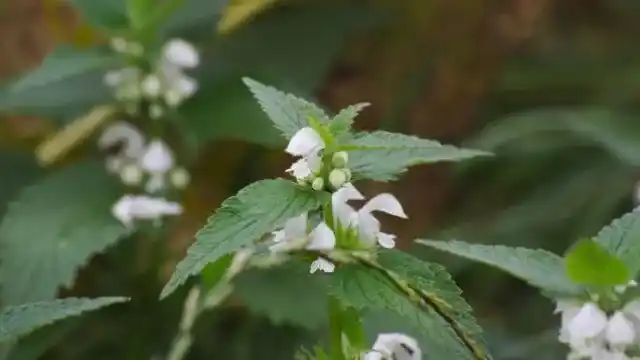
White Deadnettle Benefits and Traditional Uses

White Deadnettle has traditionally been used to support:

  • Traditional European herbal teas and infusions
  • Women’s herbal preparations in traditional systems
  • Respiratory and soothing herbal blends
  • Topical washes and external soothing applications
  • Spring tonics and flowering-top herbal use

Historically, white deadnettle (Lamium album) was valued in European herbal traditions, particularly in relation to women’s health and seasonal tonic preparations. It was also included in gentle remedies for soothing the respiratory system and supporting digestive balance.

Despite its resemblance to true nettle, white deadnettle does not sting, making it a more approachable plant in traditional household and cottage garden use.

“White deadnettle is one of the quiet plants of the hedgerow, gentle in appearance and long remembered in household herbal tradition.”

— Traditional European folk herbal reference

White Deadnettle Preparation Methods

White deadnettle can be prepared in several traditional ways:


Tea

The dried aerial parts and flowers may be steeped in hot water for a mild herbal tea.

Part of the plant used: Aerial parts or flowers

Infusion

A stronger infusion may be prepared for traditional household herbal use.

Part of the plant used: Aerial parts or flowers

Wash

The herb may also be used as an external wash in gentle topical preparations.

Part of the plant used: Aerial parts or flowers

Tincture

White deadnettle may be extracted in alcohol for concentrated herbal drops.

Part of the plant used: Aerial parts or flowers


Growing White Deadnettle

White deadnettle is a hardy perennial that prefers cool, moderately moist conditions and often grows in hedgerows, meadows, and partially shaded garden edges. It can spread steadily where it is comfortable.

  • Prefers partial shade to full sun in cool conditions
  • Grows best in moderately moist, fertile, well-drained soil
  • Tolerates a range of garden conditions once established
  • Suitable for USDA growing zones 4–8 in many parts of the United States
  • May self-seed or spread gradually in favorable sites

White deadnettle is useful in informal or wildlife-friendly gardens, but it can naturalize in open ground. Deadheading and division can help keep growth manageable.


Safety Considerations

White deadnettle has a long history of traditional use and is generally regarded as a mild herb, however sensible caution is still appropriate.

However:

  • Only correctly identified white deadnettle should be used, as similar-looking plants may grow nearby.
  • Some individuals may experience mild digestive discomfort with concentrated use.
  • People with known plant sensitivities should use caution when trying the herb for the first time.
  • Freshly gathered material should be free from road contamination, sprays, or pet activity.
  • Pregnant or breastfeeding individuals should consult a qualified healthcare professional before using concentrated herbal extracts.
  • Wild-harvested material should come from clean, correctly identified sites.

This information is provided for educational purposes only and is not medical advice.

Image Disclaimer: Images are for reference only and should not be used as the sole method of identification. Always confirm identification with a qualified source.
Frequently Asked Questions
What is white deadnettle traditionally used for?

White deadnettle is traditionally used in teas, infusions, and gentle topical preparations in European folk herbalism. It is considered a mild herb compared with many stronger medicinal plants.

Does white deadnettle sting?

No. White deadnettle is not a true nettle and does not have the stinging hairs found on stinging nettle.

What part of white deadnettle is used?

The aerial parts and flowers are the parts most commonly used. They may be steeped as tea, infused, or prepared as an external wash.

Can white deadnettle grow in the United States?

Yes. White deadnettle can grow in many temperate parts of the United States, especially in USDA zones 4–8.

Is white deadnettle a weed?

It can naturalize and spread in favorable conditions, though many gardeners welcome it in wildlife-friendly or informal plantings.

How can you tell white deadnettle from stinging nettle?

White deadnettle has similar leaves but does not sting and has distinctive white hooded flowers. Stinging nettle has stinging hairs and a different flower structure.

White Deadnettle Health Benefits and Traditional Uses

Help Us Improve the White Deadnettle Page

Do you grow, photograph, study, or work with this plant?

If you have an accurate photo, growing experience, traditional use note, identification detail, correction, or useful source to share, we would love to hear from you.

Your contribution may help improve the accuracy, usefulness, and educational value of this page for other readers.


Share a photo, correction, or plant note →

Botanical Overview

  • Botanical name: Lamium album
  • Family: Lamiaceae
  • Plant type: Perennial herb
  • Native region: Europe and western Asia
  • Common names: White dead-nettle, bee nettle