
We are building a comprehensive database of plant profiles on Flowers and Herbs. This will be followed by detailed essential oil information and, finally, remedies to help you learn how to use plants and essential oils for overall well-being.
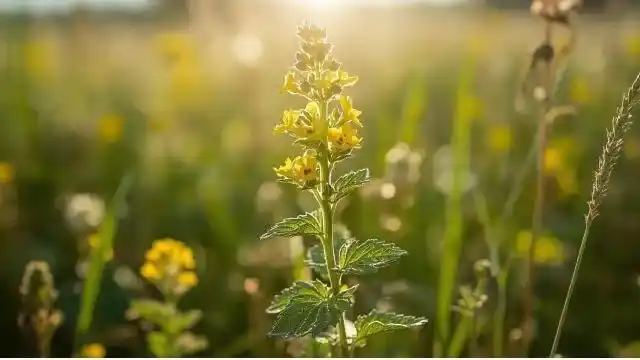
Agrimony is a traditional medicinal herb valued in herbal traditions. It has historically been used in herbal preparations and traditional remedies. Native to Europe and Western Asia, it has long been included in teas, tinctures, and herbal preparations.
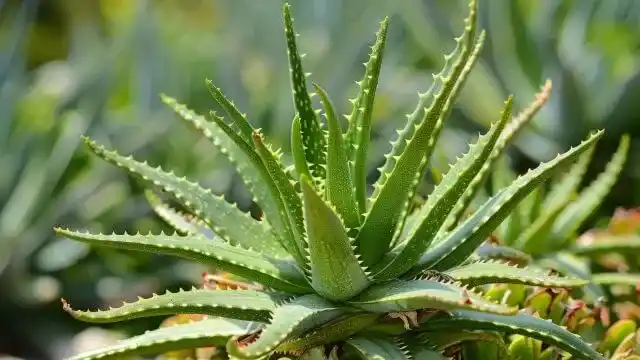
Aloe vera is a succulent herb traditionally used for skin-soothing gels and household herbal preparations. The clear inner leaf gel is especially valued for topical use. Native to arid regions, aloe is widely grown in warm climates and as a container plant.
Amla is the fruit of a small tree traditionally valued in Ayurvedic herbal practice and nourishing food preparations. The tart fruit is used in powders, preserves, and tonics. Native to India, amla is widely recognized for its long history in traditional wellness systems.
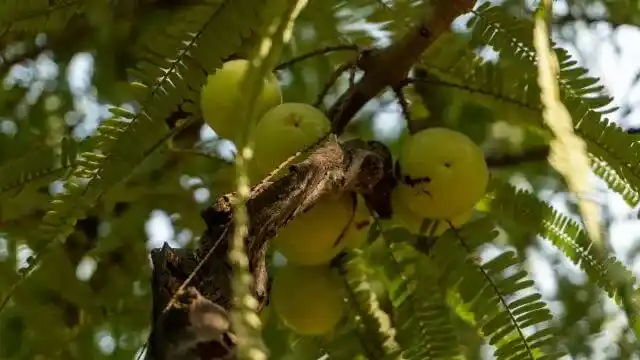
Angelica is one of those classic old-school herbal gems that’s been cherished for ages in traditional healing practices. People have turned to it forever as a go-to remedy in all sorts of folk preparations. Native to Northern Europe and Asia, it has long been included in teas, tinctures, and herbal preparations.
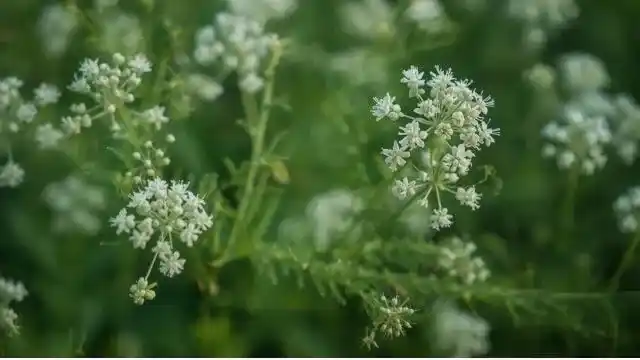
Aniseed is an aromatic herb grown for its sweet, licorice-flavored seeds and traditional digestive use. The seeds are commonly used in teas and culinary spice blends. Native to the eastern Mediterranean, anise remains a valued herb in kitchen and herbal traditions.
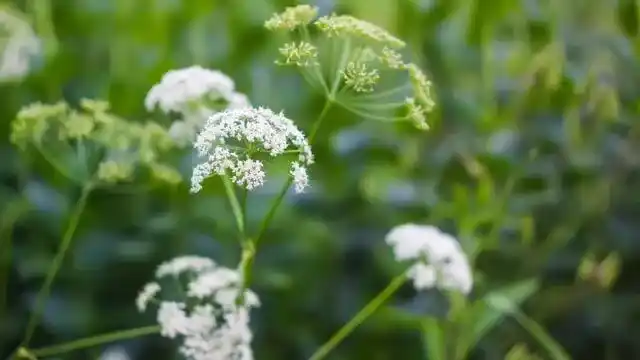
Arctic wrack is a brown seaweed traditionally gathered from cold northern coastlines for mineral-rich preparations. It has been used in coastal foodways and seaweed infusions. This marine plant grows attached to rocks in intertidal waters of northern oceans.
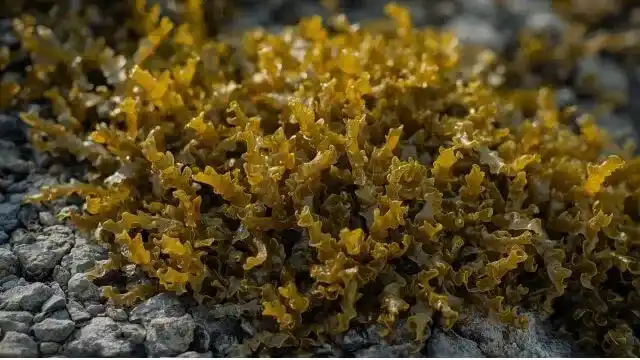
Arnica is a mountain herb traditionally valued in European herbal practices for its bright yellow flowers and long history of external use in oils, salves, and compresses. It remains one of the best-known topical herbs in traditional botanical preparations.
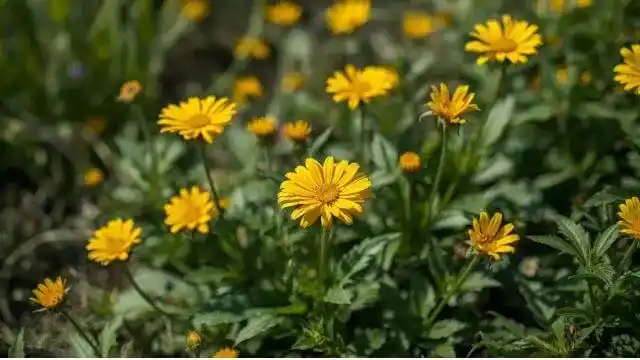
Asafoetida is a pungent resin traditionally used in cooking and aromatic herbal preparations. Small amounts are valued in spice blends and digestive traditions. Sourced from Ferula species native to Central Asia, it is especially well known in Indian cuisine.
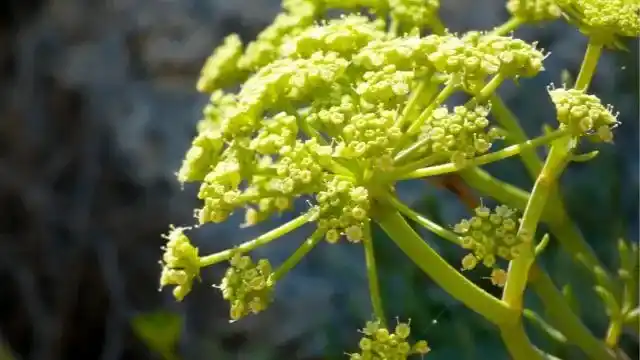
Ashwagandha is a traditional Ayurvedic herb valued for its ability to support resilience, energy, and overall wellbeing. Often referred to as an adaptogenic herb, it has been used for centuries to help the body manage stress, promote vitality, and support balance in both mind and body.
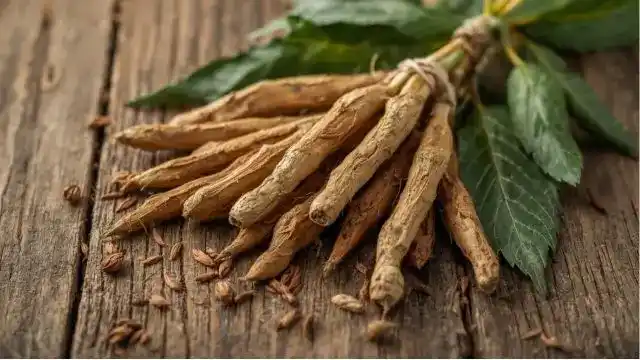
Astragalus is a traditional Asian root herb valued as a long-cooked tonic in soups, teas, and decoctions. It is commonly used for energy, seasonal wellness, and general resilience. Native to northern China and nearby regions, it is a hardy perennial in the pea family.
We are currently developing detailed plant profiles covering traditional uses, preparation methods, safety considerations, and current research. New herb guides are added regularly as we build this comprehensive A–Z botanical resource.
Explore our growing collection of medicinal and culinary herbs used in traditional and modern herbal practices. Each herb profile provides clear, research-informed information about traditional uses, preparation methods, safety considerations, and botanical background.
Whether you’re interested in herbal teas, plant-based remedies, or learning more about the history and science behind medicinal plants, this A–Z guide is designed to help you better understand the role of herbs in natural wellness.
Each plant page will include:
New herb profiles are added regularly as our botanical reference library continues to expand.
Our detailed plant guides are currently being developed. Upcoming herb profiles include:
Please check back soon as we continue building this comprehensive herbal resource.
Looking for a specific plant?
Browse the full Flowers, Herbs & Plants A–Z directory →We are currently developing detailed plant profiles covering traditional uses, preparation methods, safety considerations, and current research. New herb guides are added regularly as we build this comprehensive A–Z botanical resource.
Explore our growing collection of medicinal and culinary herbs used in traditional and modern herbal practices. Each herb profile provides clear, research-informed information about traditional uses, preparation methods, safety considerations, and botanical background.
Whether you’re interested in herbal teas, plant-based remedies, or learning more about the history and science behind medicinal plants, this A–Z guide is designed to help you better understand the role of herbs in natural wellness.
Each plant page will include:
New herb profiles are added regularly as our botanical reference library continues to expand.
Looking for a specific plant?
Browse the full Flowers, Herbs & Plants A–Z directory →Agrimony is a traditional medicinal herb valued in herbal traditions. It has historically been used in herbal preparations and traditional remedies. Native to Europe and Western Asia, it has long been included in teas, tinctures, and herbal preparations.
Aloe vera is a succulent herb traditionally used for skin-soothing gels and household herbal preparations. The clear inner leaf gel is especially valued for topical use. Native to arid regions, aloe is widely grown in warm climates and as a container plant.
Amla is the fruit of a small tree traditionally valued in Ayurvedic herbal practice and nourishing food preparations. The tart fruit is used in powders, preserves, and tonics. Native to India, amla is widely recognized for its long history in traditional wellness systems.
Angelica is one of those classic old-school herbal gems that’s been cherished for ages in traditional healing practices. People have turned to it forever as a go-to remedy in all sorts of folk preparations. Native to Northern Europe and Asia, it has long been included in teas, tinctures, and herbal preparations.
Aniseed is an aromatic herb grown for its sweet, licorice-flavored seeds and traditional digestive use. The seeds are commonly used in teas and culinary spice blends. Native to the eastern Mediterranean, anise remains a valued herb in kitchen and herbal traditions.
Arctic wrack is a brown seaweed traditionally gathered from cold northern coastlines for mineral-rich preparations. It has been used in coastal foodways and seaweed infusions. This marine plant grows attached to rocks in intertidal waters of northern oceans.
Arnica is a mountain herb traditionally valued in European herbal practices for its bright yellow flowers and long history of external use in oils, salves, and compresses. It remains one of the best-known topical herbs in traditional botanical preparations.
Asafoetida is a pungent resin traditionally used in cooking and aromatic herbal preparations. Small amounts are valued in spice blends and digestive traditions. Sourced from Ferula species native to Central Asia, it is especially well known in Indian cuisine.
Ashwagandha is a traditional Ayurvedic herb valued for its ability to support resilience, energy, and overall wellbeing. Often referred to as an adaptogenic herb, it has been used for centuries to help the body manage stress, promote vitality, and support balance in both mind and body.
Astragalus is a traditional Asian root herb valued as a long-cooked tonic in soups, teas, and decoctions. It is commonly used for energy, seasonal wellness, and general resilience. Native to northern China and nearby regions, it is a hardy perennial in the pea family.
Please check back soon as we continue building this comprehensive herbal resource.
Medicinal herbs have been used for centuries across cultures to support skin health, digestion, sleep, immune function, and overall well-being. Understanding how herbs are traditionally prepared and used — along with proper safety considerations — is essential for informed herbal practice.
This guide is intended for educational purposes and aims to provide balanced, easy-to-understand information about plant-based wellness.
About Us
Organic Goodness offers the Flowers & Herbs website as an educational resource covering medicinal herbs, essential oils, botanical traditions and natural living.
Browse
Links
The information on this website is for educational purposes only and is not intended as medical advice. Always consult a qualified healthcare professional before using herbs, supplements, or natural products.