

Aloe Vera Benefits & Uses (Aloe barbadensis)

Aloe Vera (Aloe vera) is a succulent perennial in the Asphodelaceae family that is native to Arabian Peninsula and surrounding arid regions. It is traditionally valued for leaf gel and leaf latex and is known for a succulent herb known for its thick, fleshy leaves filled with clear gel.

Traditionally, aloe vera has been used especially for its inner leaf gel, which is commonly applied in topical preparations for dry or irritated skin. The yellow leaf latex has also appeared in older internal herbal traditions, although it requires greater caution than the gel.

Its thick leaves store water and make the plant well suited to hot, dry conditions. Aloe vera is widely grown in pots, conservatories, and warm outdoor gardens where frost is minimal.

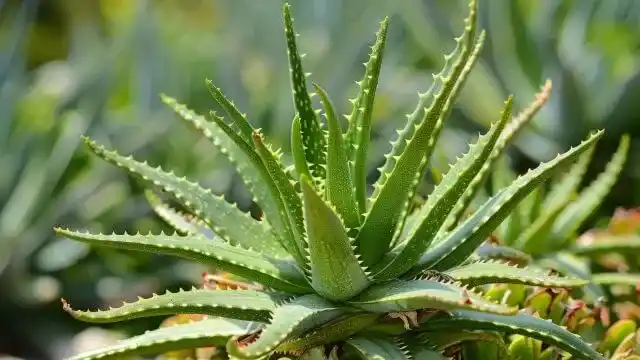
Aloe Vera Skin Soothing Benefits

Aloe Vera has traditionally been used to support:

  • Skin-soothing gels
  • Minor burns and sun-exposed skin
  • Dry or rough skin preparations
  • Traditional cooling applications
  • Household topical herbal use

Historically, aloe has been kept as a household plant in many cultures and was widely valued for the clear gel found inside its leaves. Traditional use usually distinguishes between the gentle inner gel and the more strongly acting yellow latex near the leaf rind.

“Aloe has long been valued in traditional households as a useful plant for external skin applications.”

— Traditional herbal reference

Aloe Vera Preparation Methods

Aloe Vera can be prepared in several traditional ways:


Fresh Gel

The clear inner gel may be scooped from a freshly cut leaf and applied directly in simple topical preparations.

Part of the plant used: Inner leaf gel

Gel Blend

Fresh aloe gel may be blended into masks, skin gels, or other water-based cosmetic preparations.

Part of the plant used: Inner leaf gel

Poultice-Style Use

A freshly opened leaf may be placed over the skin in a traditional household application.

Part of the plant used: Inner leaf gel

Latex Use

The yellow latex near the leaf rind has appeared in older internal herbal traditions, but it is much stronger than the gel and requires caution.

Part of the plant used: Leaf latex


Growing Aloe Vera

Aloe vera is a frost-tender succulent perennial that grows best in hot, dry conditions and is commonly cultivated in pots, greenhouses, and warm outdoor gardens.

  • Prefers full sun to bright light
  • Grows best in sandy or sharply drained soil
  • Needs light watering and should dry between waterings
  • Suitable outdoors in USDA zones 9–11 and as a container plant elsewhere in the United States

In cooler parts of the United States, aloe vera is usually grown indoors or moved under cover during winter. Overwatering is one of the most common cultivation problems.


Safety Considerations

This herb has a long history of traditional use, however the inner gel and the yellow leaf latex have very different safety profiles.

However:

  • The clear inner leaf gel is generally considered much gentler than the yellow latex found just beneath the leaf rind.
  • Aloe latex has traditionally been used internally as a strong laxative and may cause abdominal cramping, diarrhea, or digestive upset.
  • Prolonged or excessive internal use of aloe latex may lead to electrolyte imbalance and should be avoided.
  • Topical use may occasionally cause skin irritation, so patch testing is sensible for sensitive skin.
  • Pregnant or breastfeeding individuals should consult a qualified healthcare professional before internal use of aloe preparations.
  • Always use correctly prepared aloe products and avoid consuming whole leaf preparations casually.

This information is provided for educational purposes only and is not medical advice.

Image Disclaimer: Images are for reference only and should not be used as the sole method of identification. Always confirm identification with a qualified source.
Frequently Asked Questions
What is aloe vera traditionally used for?

Aloe vera is traditionally used mostly for topical skin preparations, especially those made with the clear inner leaf gel. Older traditions also mention the yellow latex near the leaf rind, but that form is much stronger and requires greater caution.

What part of aloe vera is used?

The most commonly used part is the clear inner leaf gel. Some older herbal traditions also refer to the yellow latex beneath the rind, but it has a very different safety profile from the gel.

Can aloe vera grow in the United States?

Yes. Aloe vera grows outdoors in warm parts of the United States, especially USDA zones 9–11. In cooler climates it is usually grown as a container plant and protected from frost.

Is aloe vera safe to eat?

The inner gel is very different from the yellow leaf latex. Casual internal use of whole leaf or latex products is not the same as using the gel and may cause strong digestive effects.

How is aloe vera prepared?

Aloe vera is commonly prepared as fresh gel, gel blends, topical applications, and simple household skin preparations. Commercial products may also include stabilized gel extracts.

Does aloe vera have side effects?

Topical aloe may irritate very sensitive skin in some individuals. Internal products made from aloe latex may cause cramping, diarrhea, and electrolyte imbalance if used inappropriately.

Aloe Vera Plant and medicinal Benefits

Help Us Improve the Aloe Vera Page

Do you grow, photograph, study, or work with this plant?

If you have an accurate photo, growing experience, traditional use note, identification detail, correction, or useful source to share, we would love to hear from you.

Your contribution may help improve the accuracy, usefulness, and educational value of this page for other readers.


Share a photo, correction, or plant note →

Botanical Overview

  • Botanical name: Aloe vera
  • Family: Asphodelaceae
  • Plant type: Succulent plant
  • Native region: Arabian Peninsula and surrounding arid regions
  • Common names: Aloe, true aloe, medicinal aloe