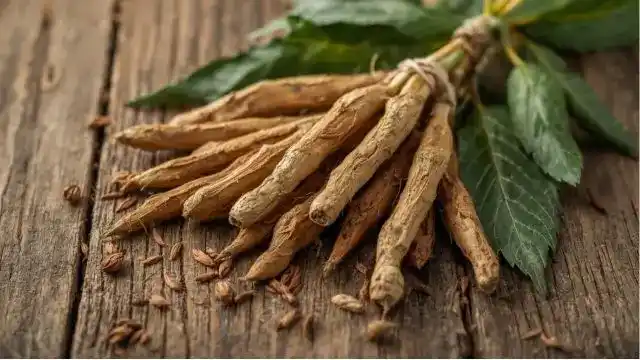

Ashwagandha Benefits & Uses (Withania somnifera)

Ashwagandha (Withania somnifera) is one of the most important herbs in traditional Ayurvedic medicine. Native to India, the Middle East, and parts of Africa, it has been used for thousands of years as a rejuvenating tonic to promote strength, endurance, and overall vitality.

Often classified as an adaptogen, ashwagandha is traditionally used to support the body’s response to physical and emotional stress. The root of the plant is most commonly used in herbal preparations and has long been valued for its calming yet strengthening properties.

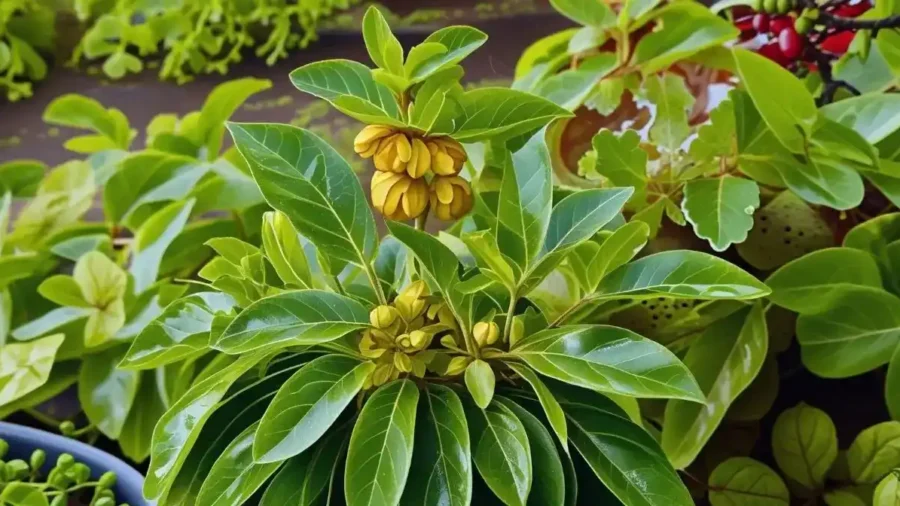
Ashwagandha Benefits and Traditional Uses

Ashwagandha is traditionally described as having the following herbal actions:

  • Adaptogenic
  • Nervine tonic
  • Restorative tonic
  • Mild sedative
  • Rejuvenative (rasayana)

These actions reflect the herb’s historical use to help the body maintain balance during periods of stress or fatigue.


Ashwagandha Preparation Methods

Ashwagandha can be prepared in several traditional ways:


Powder

Dried ashwagandha root is commonly ground into a fine powder that may be mixed into warm water, milk, honey, or other herbal preparations.

Part of the plant used: Root

Decoction

Ashwagandha root may be gently simmered in water to prepare a traditional herbal decoction.

Part of the plant used: Root

Tincture

Ashwagandha root may also be prepared as an alcohol tincture to create a concentrated herbal extract.

Part of the plant used: Root

Capsules

Ashwagandha root powder is often encapsulated for convenient use in modern herbal supplements.

Part of the plant used: Root

Traditional Milk Preparation

Ashwagandha root powder has traditionally been stirred into warm milk or milk-based preparations, sometimes with honey or spices, as part of traditional herbal practice.

Part of the plant used: Root


Growing Ashwagandha

Ashwagandha grows best in warm climates with full sun and well-drained soil. It is traditionally cultivated in dry regions of India and thrives in hot, semi-arid climates.

    • Prefers full sun and light, sandy or well-drained soil.

    • Seeds are usually sown in spring once soil temperatures are warm.

    • The plant grows as a small shrub reaching around 12–30 inches (30–75 cm) in height.

    • Roots are typically harvested after about 5–6 months when the plant matures.

Ashwagandha prefers relatively dry conditions once established and does not tolerate excessive moisture or waterlogged soil.

growing-ashwangandha

Safety Considerations

Ashwagandha has a long history of traditional use, however care should always be taken when using herbal plants.

However:

  • Ashwagandha may cause digestive upset, loose stools, or stomach irritation in some individuals, especially in larger amounts.
  • Because ashwagandha may have a relaxing effect, some individuals may feel drowsy when using concentrated preparations.
  • Ashwagandha may influence thyroid hormone activity and individuals with thyroid conditions should use caution.
  • It may also interact with sedative medications, immune-related medications, or blood sugar medications in some cases.
  • Pregnant or breastfeeding individuals should consult a qualified healthcare professional before using ashwagandha internally.
  • Always consult a qualified healthcare professional before combining herbal supplements with prescription medications.

This information is provided for educational purposes only and is not medical advice.

Image Disclaimer: Images are for reference only and should not be used as the sole method of identification. Always confirm identification with a qualified source.
Frequently Asked Questions
What is ashwagandha traditionally used for?

Ashwagandha is traditionally used as a restorative herb for energy, resilience, and overall well-being. It is especially well known in Ayurvedic herbal practice.

Which part of ashwagandha is used?

The root is the main part used in herbal preparations, although the leaves are used in some traditional contexts.

How is ashwagandha commonly prepared?

Ashwagandha is commonly prepared as powder, capsules, tablets, tincture, and sometimes decoction. It is often included in modern herbal supplements.

Can ashwagandha be taken with milk?

In traditional Ayurvedic practice, ashwagandha powder is sometimes taken with milk or another nourishing liquid. Modern use varies depending on the product.

Is ashwagandha calming or energising?

Ashwagandha is generally described as a grounding and restorative herb rather than a stimulating one. Many people use it to support stress resilience and general balance.

Can Ashwagandha be grown in the United States?

Ashwagandha grows best in warm parts of the United States, including the South, Southwest, and frost-free areas such as parts of Florida, Texas, and Southern California. It is usually cultivated rather than foraged and is not commonly found growing wild in the U.S.

Ashwangandha herb medicinal and health information

Help Us Improve the Ashwagandha Page

Do you grow, photograph, study, or work with this plant?

If you have an accurate photo, growing experience, traditional use note, identification detail, correction, or useful source to share, we would love to hear from you.

Your contribution may help improve the accuracy, usefulness, and educational value of this page for other readers.


Share a photo, correction, or plant note →

Botanical Overview

  • Botanical name: Withania somnifera
  • Family: Solanaceae (nightshade family)
  • Plant type: Shrubby herb
  • Native region: India, North Africa, and the Middle East
  • Common names: Ashwagandha, Indian ginseng, winter cherry