

Angelica Benefits & Uses (Angelica archangelica)

Angelica (Angelica archangelica) is a plant in the Apiaceae family traditionally used in herbal practices. This biennial herb herb is native to Northern Europe and Asia and has been valued for centuries in traditional herbal preparations.

This tall, aromatic plant originally hails from the cooler regions of Northern Europe and parts of Asia. Back in the day—think Vikings, medieval monks, and ancient herbalists—it earned a almost mythical reputation. Legend even says an archangel tipped someone off about its powers during a plague outbreak, which is why it’s got that “archangelica” name.

It can be would brewed into teas, steep it for tinctures, or mix it into various herbal concoctions to help with everything from digestion woes to colds and more. Its stems even got candied as a sweet treat or used to flavor liqueurs. It’s got this warm, musky scent and a long-standing spot in the herbal medicine cabinet of northern traditions.Historically, angelica has been included in herbal teas, tinctures, and traditional preparations. Different parts of the plant have been used depending on the herbal tradition and preparation method.

The roots of angelica are also used to produce angelica essential oil, a concentrated extract known for its rich, earthy aroma and use in perfumery, aromatics, and premium formulations.

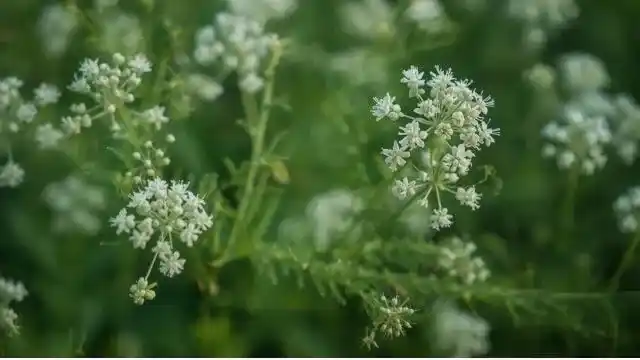
How Angelica has been used Traditionally

Angelica has traditionally been used to support:

  • Traditional digestive herbal preparations
  • Aromatic herbal tonics and bitters
  • Herbal blends associated with respiratory comfort
  • Traditional warming herbal preparations
  • Seasonal herbal remedies in European traditions

Angelica has long been valued in European herbal traditions as an aromatic and warming herb. Historical herbal texts often describe the root and seeds being included in digestive preparations, bitters, and herbal tonics.

In traditional herbal practice angelica has also appeared in seasonal herbal blends and warming infusions, particularly in cooler climates where aromatic herbs were commonly used in household remedies.

The plant has been mentioned in a variety of herbal traditions where the root, seeds, and leaves were prepared in teas, tinctures, and other traditional preparations.

“Angelica is an herb of the sun in Leo and is under the dominion of the sun; it resists poison by defending and comforting the heart, blood and spirits.”

— Traditional herbal reference

Angelica Preparation Methods

Angelica can be prepared in several traditional ways, the rootstock, roots and seeds are commonly used.


Herbal Tea

Angelica leaves or seeds may be steeped in hot water to prepare a traditional herbal infusion. These aromatic plant parts have long been included in household herbal teas and herbal blends.

Part of the plant used: Leaves or seeds

Decoction

The root of angelica may be gently simmered in water to prepare a traditional decoction. This method is commonly used for tougher plant materials such as roots.

Part of the plant used: Root

Tincture

Fresh or dried angelica root may be prepared as a traditional alcohol extract. Tinctures have historically been used as a way to preserve herbal preparations for longer storage.

Part of the plant used: Root

Candied Stem

Angelica stems have traditionally been candied and used in confectionery and herbal preparations. Candied angelica has long been used as both a decorative and aromatic ingredient.

Part of the plant used: Stem

Infused Oil

Angelica root may be infused in oil for traditional external herbal preparations. The infused oil may be included in topical herbal blends and household preparations.

Part of the plant used: Root


Different types of Angelica Plants

This herb grows in a range of garden conditions and is sometimes cultivated in herb gardens.

  • Prefers full sun to partial shade
  • Grows best in well-drained soil
  • Hardiness varies depending on species
  • Can be cultivated in temperate regions of the United States

When grown in suitable conditions, the plant can become well established and may self-seed or spread depending on the species.

Root harvest: Angelica is often grown as a biennial, with the root harvested in the fall of the first year or in early spring of the second year, before the flowering stem develops. Once the plant flowers and sets seed, the root is usually considered less desirable for herbal use.

Angelica is a broad common name used for several related plants, including garden angelica or Norwegian angelica (Angelica archangelica), wild angelica (Angelica sylvestris), and Chinese angelica or dong quai (Angelica sinensis), so the botanical name is important when discussing its traditional uses.


Angelica Safety: Wild Lookalikes and Hemlock Confusion

Angelica has a long history of traditional use, but care should always be taken when identifying, handling, or using herbal plants.

    • Wild identification caution: Angelica belongs to the Apiaceae family, which includes several highly toxic look-alikes. Garden angelica (Angelica archangelica) and wild angelica may be confused with poisonous species such as poison hemlock, water hemlock, and other dangerous umbellifers. Never harvest or consume wild plants unless identification is absolutely certain. Read more from the University of Minnesota Extension about poison hemlock and its common look-alikes.
    • Angelica contains naturally occurring compounds called furanocoumarins, which may increase the skin’s sensitivity to sunlight. Contact with the fresh plant or concentrated preparations may also cause irritation or photosensitivity in some individuals.
  • Because angelica belongs to the Apiaceae family, individuals sensitive to related plants such as celery, carrot, parsley, fennel, or anise should use caution.
  • Large amounts of strong preparations may cause digestive upset in some individuals.
  • Angelica has traditionally been avoided during pregnancy due to its historical association with uterine stimulation.
  • Angelica may interact with medications that affect blood clotting or increase photosensitivity. Individuals taking anticoagulant, antiplatelet, or photosensitizing medications should seek professional advice before using angelica preparations.
  • Angelica plant material and preparations should be kept out of reach of pets.
  • If accidental ingestion by a pet occurs, contact a veterinarian or the ASPCA Animal Poison Control Center at 888-426-4435.
  • Always consult a qualified healthcare professional before using herbal preparations for health purposes.

This information is provided for educational purposes only and is not medical advice.

Image Disclaimer: Images are for reference only and should not be used as the sole method of identification. Always confirm identification with a qualified source.
Frequently Asked Questions
What is angelica root traditionally used for?

Angelica root has a long history of use in European herbal traditions where it was often prepared as tinctures, bitters, and herbal tonics.

Which part of the angelica plant is used in herbal preparations?

The root is the part most commonly used in herbal preparations, although the stems and seeds have also been used in culinary and herbal traditions.

Is angelica used in cooking?

Yes. Angelica stems have historically been candied and used in traditional European confectionery and desserts.

Can angelica grow in the United States?

Angelica can grow in cooler regions of the United States and is generally hardy in USDA growing zones 4–9.

How is angelica root typically prepared?

Angelica root is often prepared as a tincture, herbal bitter, or decoction in traditional herbal practices.

What herbs are traditionally used with angelica?

Angelica is often mentioned alongside herbs such as fennel, ginger, and gentian in traditional herbal preparations.

Angelica Herb Benefits and Traditional Uses

Help Us Improve the Angelica Page

Do you grow, photograph, study, or work with this plant?

If you have an accurate photo, growing experience, traditional use note, identification detail, correction, or useful source to share, we would love to hear from you.

Your contribution may help improve the accuracy, usefulness, and educational value of this page for other readers.


Share a photo, correction, or plant note →

Botanical Overview

  • Botanical name: Angelica archangelica
  • Family: Apiaceae
  • Plant type: Biennial herb
  • Native region: Northern Europe and Asia
  • Common names: Garden angelica