

Asafoetida Uses & How to Use It (Ferula assa-foetida)

Asafoetida (Ferula asafoetida) is a perennial resinous herb in the Apiaceae family that is native to Iran, Afghanistan, and surrounding regions of Central Asia. It is traditionally valued for dried oleo-gum-resin and is known for a tall perennial herb known for its pungent aromatic resin.

Traditionally, asafoetida resin has been used in tiny amounts in cooking, spice blends, and aromatic herbal preparations. It is especially associated with digestive traditions and is often added to legume dishes in South Asian cuisine.

The resin has a very strong sulfur-like odor when raw, but its aroma mellows and deepens when cooked. Because of its potency, only a small pinch is usually needed.

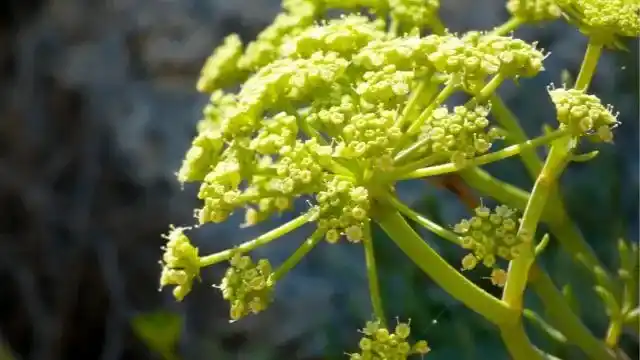
Asafoetida Benefits and Traditional Uses

Asafoetida has traditionally been used to support:

  • Digestive spice blends
  • Traditional carminative use
  • Legume seasoning
  • Aromatic resin preparations
  • Warming kitchen formulas

Historically, asafoetida traveled from Central Asian resin traditions into Persian, Middle Eastern, and Indian food culture. It became especially important where strong aromatic spices were valued in cooking and household practice.

“Asafoetida is a powerful kitchen resin, long used in small amounts where pungent aromatics are desired.”

— Traditional spice and herbal reference

Asafoetida Preparation Methods

Asafoetida can be prepared in several traditional ways:


Cooking Spice

A very small pinch of asafoetida resin or powder may be fried briefly in oil or ghee before adding other ingredients.

Part of the plant used: Oleo-gum-resin

Spice Blend

Asafoetida may be combined with other warming spices in traditional culinary mixtures.

Part of the plant used: Oleo-gum-resin

Digestive Preparation

In older traditions, tiny amounts were added to aromatic digestive preparations.

Part of the plant used: Oleo-gum-resin

Paste

The resin may be mixed with liquid to form a paste for specific traditional external or culinary uses.

Part of the plant used: Oleo-gum-resin


Growing Asafoetida

Asafoetida is a long-lived perennial of dry climates that prefers full sun and sharply drained soil. It is difficult to grow in much of the United States except in dry regions or specialty collections.

  • Prefers full sun
  • Needs sharply drained, sandy, or gravelly soil
  • Requires low to moderate moisture and dislikes wet ground
  • Most suitable for dry climates or protected specialty growing in warmer USDA zones

This plant is slow growing and uncommon in home gardens. It is generally considered a specialty herb for experienced growers in suitable dry climates.


Safety Considerations

This resin has a long history of traditional use, however it is very potent and is generally used only in small amounts.

However:

  • Asafoetida is extremely strong and is usually used only in very small quantities.
  • Large amounts may cause digestive irritation, nausea, or loose stools in some individuals.
  • Individuals sensitive to Apiaceae plants should use caution.
  • Traditional sources sometimes advise caution during pregnancy, especially with concentrated internal use.
  • Asafoetida may not be suitable alongside certain medications, including those affecting blood clotting.
  • Always consult a qualified professional before using concentrated herbal resins for health purposes.

This information is provided for educational purposes only and is not medical advice.

Image Disclaimer: Images are for reference only and should not be used as the sole method of identification. Always confirm identification with a qualified source.
Frequently Asked Questions
What is asafoetida used for?

Asafoetida is traditionally used as a pungent cooking spice and in aromatic digestive preparations. It is especially valued in small amounts in legume dishes and spice blends.

What part of asafoetida is used?

The dried oleo-gum-resin is the part used. It may be sold as a resin lump or, more commonly, as a powdered spice blend.

Is asafoetida used in cooking?

Yes. Asafoetida is widely used in South Asian cooking, especially in lentil and bean dishes. It is typically fried briefly in oil or ghee before other ingredients are added.

Why does asafoetida smell so strong?

Raw asafoetida contains sulfur-rich compounds that give it a very strong odor. Once cooked, the smell softens and becomes more savory and onion-like.

Can asafoetida grow in the United States?

It is difficult to grow in most of the United States and is usually limited to very dry climates or specialty plant collections. Most people encounter it as a purchased resin or powder.

Does asafoetida have side effects?

Yes, especially in larger amounts. Because it is potent, it may cause digestive irritation and is generally used only in small quantities.

Asafoetida Benefits and Uses

Help Us Improve the Asafoetida Page

Do you grow, photograph, study, or work with this plant?

If you have an accurate photo, growing experience, traditional use note, identification detail, correction, or useful source to share, we would love to hear from you.

Your contribution may help improve the accuracy, usefulness, and educational value of this page for other readers.


Share a photo, correction, or plant note →

Botanical Overview

  • Botanical name: Ferula asafoetida
  • Family: Apiaceae
  • Plant type: Perennial herb
  • Native region: Iran, Afghanistan, and surrounding regions of Central Asia
  • Common names: Hing, devil's dung, asafetida