

Amla Benefits & Uses (Phyllanthus emblica)

Amla (Phyllanthus emblica) is a deciduous fruiting tree in the Phyllanthaceae family that is native to India and parts of Southeast Asia. It is traditionally valued for fruit and is known for a small deciduous tree valued for its tart, vitamin-rich fruit.

In traditional Ayurvedic practice, amla fruit is widely used in powders, preserves, decoctions, and tonics. It is commonly associated with nourishing, cooling, and restorative herbal preparations and is also used in traditional hair and scalp preparations.

The fruit is notably sour and astringent, and it is often processed into chutneys, pickles, dried powders, and herbal jams. Amla is one of the best-known fruits in South Asian herbal traditions.

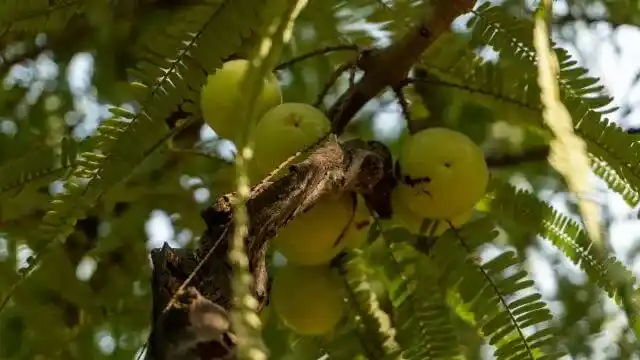
Amla Benefits and Traditional Uses

Amla has traditionally been used to support:

  • Traditional nutritive tonics
  • Digestive preparations
  • Hair and scalp oils
  • Cooling fruit preparations
  • General restorative formulas

Historically, amla has held an important place in Ayurvedic tradition, where the fruit is valued both as a food and as a herb. It is widely included in classical preparations and everyday household use.

“Amla has long been esteemed in traditional practice as a nourishing fruit used in both food and herbal preparations.”

— Ayurvedic herbal tradition

Amla Preparation Methods

Amla can be prepared in several traditional ways:


Powder

Dried amla fruit may be ground into powder for use in traditional tonics, pastes, and food-style preparations.

Part of the plant used: Fruit

Decoction

Dried fruit may be simmered in water to prepare a traditional herbal decoction.

Part of the plant used: Fruit

Hair Oil

Amla fruit is often infused or processed into oils used in traditional hair care preparations.

Part of the plant used: Fruit

Preserve or Jam

Fresh or dried fruit may be cooked into preserves or chyawanprash-style preparations.

Part of the plant used: Fruit


Growing Amla

Amla is a tropical to subtropical fruiting tree that prefers warmth, sun, and a long growing season. In the United States it is best suited to frost-free or very mild climates.

  • Prefers full sun
  • Grows best in well-drained soil with moderate fertility
  • Needs regular water while establishing but tolerates some dryness once mature
  • Best suited to USDA zones 9–11 or protected subtropical gardens in the United States

Amla is not reliable in regions with hard frost. Gardeners in marginal climates may need to grow it in containers or provide winter protection.


Safety Considerations

This herb has a long history of traditional use, however concentrated preparations may not suit every individual.

However:

  • Its naturally sour and astringent character may cause digestive discomfort in some individuals when taken in large amounts.
  • Concentrated amla products may interact with medications that affect blood sugar or blood clotting.
  • Individuals with sensitive digestion should begin with small amounts of dried or concentrated preparations.
  • Commercial products may vary in strength, added ingredients, and quality.
  • Pregnant or breastfeeding individuals should consult a qualified healthcare professional before using concentrated herbal preparations.
  • Always consult a qualified professional before using herbs for health purposes.

This information is provided for educational purposes only and is not medical advice.

Image Disclaimer: Images are for reference only and should not be used as the sole method of identification. Always confirm identification with a qualified source.
Frequently Asked Questions
What is amla traditionally used for?

Amla is traditionally used in nourishing tonics, fruit powders, preserves, and Ayurvedic preparations. It is also commonly included in traditional hair and scalp oils.

What part of amla is used?

The fruit is the main part used. It may be dried, powdered, cooked into preserves, or prepared in decoctions and oils.

Can amla grow in the United States?

Amla can grow in the warmest parts of the United States, especially subtropical and frost-free regions. In cooler areas it is usually not reliable outdoors.

Is amla edible?

Yes. Amla is both a traditional herb and an edible fruit. It is often used in chutneys, preserves, powders, and other food-style preparations.

How is amla prepared?

Amla is commonly prepared as powder, decoction, preserve, and hair oil. The fruit may be used fresh, dried, or processed depending on the preparation.

Are there safety concerns with amla?

Amla is generally used as both a food and herb, but concentrated products may not suit everyone. Individuals using medications that affect blood sugar or blood clotting should use caution.

Amla Indian Goosberry Benefits and Medicinal Uses

Help Us Improve the Amla Page

Do you grow, photograph, study, or work with this plant?

If you have an accurate photo, growing experience, traditional use note, identification detail, correction, or useful source to share, we would love to hear from you.

Your contribution may help improve the accuracy, usefulness, and educational value of this page for other readers.


Share a photo, correction, or plant note →

Botanical Overview

  • Botanical name: Phyllanthus emblica
  • Family: Phyllanthaceae
  • Plant type: Fruit-bearing tree
  • Native region: India and parts of Southeast Asia
  • Common names: Indian gooseberry, amalaki, emblic myrobalan