

Arnica Benefits, Uses & Safety (Arnica montana)

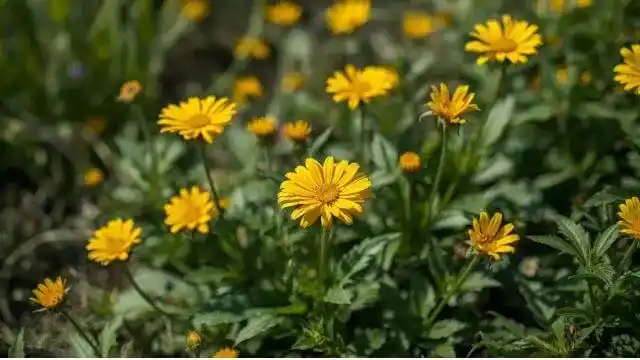
Arnica (Arnica montana) is a flowering plant traditionally used in topical herbal preparations, it is a flowering perennial herb known for its daisy-like yellow blooms and strong association with traditional European mountain herbalism. It is most commonly found in creams, oils, and balms and is widely used in skin and massage applications. Arnica is not typically taken internally and is valued primarily for external use. This guide explores arnica benefits, uses, preparation methods, and safety considerations.

Native to parts of Europe and Siberia, it has long been gathered for use in external botanical preparations and has become one of the most recognized herbs in traditional topical herbal practice.

For centuries arnica flowers have been infused into oils, salves, and liniments intended for external use. Because of its long-standing place in traditional herbal literature, it remains widely referenced in discussions of classic topical herb preparations.

Arnica History and Traditional Uses

Folklore and early medicine: Arnica (Arnica montana) has a long history in European folk medicine, with some accounts tracing its use back to the 16th century for bruises, blunt injuries, inflammation, and skin lesions. You can read more about the early history of arnica in European folk medicine.  The flower heads were valued for external preparations used in the home. It became especially well known in mountain regions and remains one of the classic herbs associated with traditional topical botanical care.

Arnica has traditionally been used to support:

  • Topical herbal preparations
  • External oils and salves
  • Herbal compresses and liniments
  • Traditional mountain remedies
  • Skin-focused botanical applications

What Is Arnica Used For?

  • Topical creams and ointments
  • Herbal oils and balms
  • Massage preparations
  • Skin applications

Arnica Benefits

  • Traditionally used in topical herbal preparations
  • Commonly included in creams and balms
  • Associated with skin and massage applications

What Makes Arnica Unique?

Arnica is unique among medicinal plants because it is primarily used topically rather than internally, making it distinct from many other herbal remedies.

Dried arnica flowers are often one of the pricier dried herbs to buy, especially compared with common herbs such as calendula or chamomile. For this reason, many people make arnica oil in smaller batches and use it for targeted topical preparations such as salves, balms, and massage oils.

Arnica has long been valued in traditional European herbalism as one of the classic herbs for external botanical preparations.

– Traditional herbal reference

Arnica Preparation and application considerations

Important safety note: Although arnica has a long history of traditional use, modern safety guidance treats arnica as a herb for external use only. Arnica should not be swallowed unless it is in a properly prepared, regulated product under professional guidance. The raw plant and concentrated preparations contain active compounds, including helenalin-type constituents, that may be toxic if ingested and can cause serious reactions such as vomiting, diarrhea, rapid heartbeat, increased bleeding, and harm to internal organs.

Arnica should also never be applied to open wounds, broken skin, deep cuts, or irritated skin. It is best used only in properly diluted topical preparations, such as infused oils, salves, creams, or balms made for external use.

With these safety considerations in mind, arnica can be prepared in several traditional ways for external application.


Infused Oil

Dried arnica flowers are commonly infused into oil for use in traditional external herbal preparations. See how to make an herbal oil infusion for a step-by-step guide.

Part of the plant used: Flowers

Salve or Balm

Arnica infused oil may be combined with beeswax or similar ingredients to create herbal balms for external applications.

Part of the plant used: Flowers

Compress

A traditional herbal compress may be prepared from the flowers for external use.

Part of the plant used: Flowers

Liniment

Arnica flowers are sometimes prepared in alcohol-based external applications used in traditional herbal practice.

Part of the plant used: Flowers


Choosing Arnica flowers to grow at home

Two types of arnica are commonly discussed for herb gardens: mountain arnica (Arnica montana) and meadow arnica (Arnica chamissonis). Both can be found from seed suppliers in the United States, but they do not always grow the same way.

  • Mountain arnica (Arnica montana): This is the classic European arnica species and the best-known medicinal arnica. It prefers cool conditions, moist but well-drained acidic soil, and is often better suited to higher elevations or cooler gardens. It can be grown in parts of the United States, but it may be more difficult in hot, humid, or lowland gardens.
  • Meadow arnica (Arnica chamissonis): This North American species is often easier to grow in U.S. gardens and is less dependent on high-elevation conditions. It spreads by underground rhizomes and can form a patch over time when grown in loose, moist, acidic soil with good light.

For many home growers in the United States, meadow arnica may be the more practical choice, while mountain arnica is often grown by gardeners who can provide cooler, acidic, well-drained conditions.

Arnica is a hardy perennial herb that prefers cooler climates and is most often associated with alpine or meadow environments. It can be more particular to grow than many common garden herbs and is usually best suited to temperate gardens with well-drained soil.

  • Prefers full sun to light partial shade
  • Grows best in well-drained, slightly acidic soil
  • Benefits from regular moisture without waterlogging
  • Suitable for cooler temperate regions and alpine-style gardens in the United States
  • Generally best suited to USDA hardiness zones 4-9 depending on local conditions

Arnica is intended for external use only and should not be ingested. The plant contains compounds that may cause adverse effects if used improperly. Always use arnica in appropriate topical preparations.

Arnica does not thrive in heavy, soggy soil and may be slower to establish than more vigorous herbs, so careful site selection is important.


Arnica Safety

See above in the Arnica preparation section.

  • Arnica is intended for external use only. Internal use of whole arnica preparations is considered unsafe and may cause serious adverse effects.
  • Ingesting arnica in non-homeopathic forms may lead to symptoms such as nausea, vomiting, abdominal pain, dizziness, and in severe cases, internal bleeding or cardiovascular complications.
  • Applying arnica to broken or damaged skin may increase absorption and irritation and is generally avoided in traditional topical use.
  • Some individuals may experience redness, itching, or contact dermatitis when arnica is applied to the skin.
  • Because arnica belongs to the Asteraceae family, individuals sensitive to ragweed, daisies, or chamomile should use caution.
  • Excessive or prolonged topical use may increase the likelihood of skin irritation in sensitive individuals.
  • Arnica may interact with certain medications, particularly those affecting blood clotting.
  • Pregnant or breastfeeding individuals should consult a qualified healthcare professional before using arnica preparations.

This information is provided for educational purposes only and is not medical advice.

Image Disclaimer: Images are for reference only and should not be used as the sole method of identification. Always confirm identification with a qualified source.
Frequently Asked Questions
What is arnica traditionally used for?

Arnica flowers have traditionally been used in topical herbal preparations for sore muscles, bruises, and minor injuries. The flowers are commonly infused into oils, creams, and salves that are applied to the skin after physical exertion or minor bumps.

What part of arnica is used in herbal preparations?

The bright yellow flower heads of arnica are the part most commonly used in herbal preparations. These blossoms are typically dried and infused into oils to produce topical creams and salves.

How is arnica commonly prepared?

Arnica flowers are most often prepared as an infused oil that is later used to make creams, balms, and salves intended for external application.

Can arnica be taken as a tea?

No, Arnica is for external use only. Arnica is traditionally used only in topical preparations. Herbal preparations are typically applied to the skin.

What herbs are commonly used with arnica?

Arnica is often combined with herbs such as calendula, comfrey, and St John’s wort in traditional topical herbal blends.

Can arnica be grown in the United States?

Some species of arnica can be grown in cooler regions of the United States, particularly in mountainous or northern climates. They prefer well-drained soil and full sun.

Arnica (Arnica montana) medicinal herb traditionally used in herbal remedies for bruises and muscle soreness

Help Us Improve the Arnica Page

Do you grow, photograph, study, or work with this plant?

If you have an accurate photo, growing experience, traditional use note, identification detail, correction, or useful source to share, we would love to hear from you.

Your contribution may help improve the accuracy, usefulness, and educational value of this page for other readers.


Share a photo, correction, or plant note →

Botanical Overview

  • Botanical name: Arnica montana
  • Family: Asteraceae
  • Plant type: Perennial flowering herb
  • Native region: Europe and Siberia
  • Common names: Arnica, mountain arnica, leopard's bane

Arnica Benefits, Uses & Safety (Arnica montana)

Help Us Improve the Arnica Page

Do you grow, photograph, study, or work with this plant?

If you have an accurate photo, growing experience, traditional use note, identification detail, correction, or useful source to share, we would love to hear from you.

Your contribution may help improve the accuracy, usefulness, and educational value of this page for other readers.

Share a photo, correction, or plant note →

Botanical Overview

  • Botanical name: Arnica montana
  • Family: Asteraceae
  • Plant type: Perennial flowering herb
  • Native region: Europe and Siberia
  • Common names: Arnica, mountain arnica, leopard's bane