

Arctic Wrack Benefits & Uses (Fucus distichus)

Arctic wrack (Fucus distichus) is a marine brown seaweed in the Fucaceae family that is native to Cold northern coastal waters of the Atlantic and Pacific. It is traditionally valued for whole dried thallus and is known for a cold-water brown seaweed traditionally gathered from northern shorelines.

Traditionally, Arctic wrack has been gathered in coastal regions for seaweed decoctions, mineral-rich preparations, and topical marine applications. Like other brown seaweeds, it has also been used as a fertilizer and soil amendment in shoreline communities.

This seaweed is adapted to cold, exposed shorelines and remains attached to rocks in the intertidal zone. Its leathery fronds help it withstand strong tides and harsh coastal conditions.

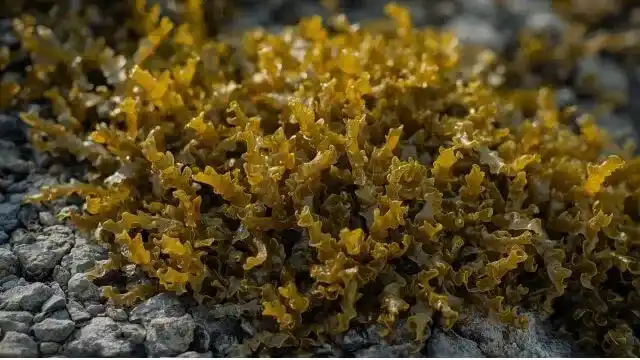
Arctic Wrack Benefits and Traditional Uses

Arctic wrack has traditionally been used to support:

  • Mineral-rich seaweed preparations
  • Traditional coastal food use
  • Seaweed decoctions
  • External seaweed baths
  • Garden and soil enrichment

Historically, coastal communities have used seaweeds not only in food and herbal traditions but also in agriculture. Arctic wrack belongs to this long-standing shoreline tradition of gathering useful marine plants.

“Seaweeds of the northern coasts have long been valued as mineral-rich plants of the shore.”

— Traditional coastal herbal reference

Arctic Wrack Preparation Methods

Arctic wrack can be prepared in several traditional ways:


Decoction

Dried Arctic wrack may be simmered gently in water as a traditional seaweed decoction.

Part of the plant used: Whole dried thallus

Bath

Prepared seaweed may be added to bath water in traditional external marine applications.

Part of the plant used: Whole dried thallus

Soak

The dried seaweed may be rehydrated and used in simple soaking preparations.

Part of the plant used: Whole dried thallus

Soil Amendment

Collected and rinsed seaweed has traditionally been added to compost or garden soil.

Part of the plant used: Whole dried thallus


Growing Arctic Wrack

Arctic wrack is a wild marine seaweed rather than a typical garden herb. It grows naturally on cold rocky shorelines in northern coastal regions.

  • Grows naturally in cold marine waters rather than in soil
  • Anchors to rocky intertidal shorelines
  • Thrives in clean, cold coastal environments
  • Found in northern maritime regions rather than inland United States gardens

Because Arctic wrack is a wild shoreline species, it is usually foraged rather than cultivated. Harvesting should always be done responsibly and in accordance with local regulations.


Safety Considerations

This marine herb has a long history of traditional use, however seaweeds can vary in mineral content depending on where they are harvested.

However:

  • Seaweeds naturally contain iodine, and excessive intake may not be suitable for individuals with thyroid concerns.
  • Mineral content can vary depending on harvest location, season, and water quality.
  • Seaweeds may also accumulate heavy metals or environmental contaminants if gathered from polluted coastlines.
  • Individuals using thyroid medications should use caution with concentrated seaweed products.
  • Anyone harvesting wild seaweed should ensure correct identification and follow local safety advisories.
  • Always consult a qualified professional before using marine herbs regularly for health purposes.

This information is provided for educational purposes only and is not medical advice.

Image Disclaimer: Images are for reference only and should not be used as the sole method of identification. Always confirm identification with a qualified source.
Frequently Asked Questions
What is Arctic wrack?

Arctic wrack is a brown seaweed that grows on cold northern rocky shorelines. It is a marine plant rather than a land herb and has traditionally been used in coastal food and herbal practices.

What part of Arctic wrack is used?

The whole dried seaweed, or thallus, is the part typically used. It may be prepared as a decoction, bath additive, or coastal folk preparation.

Can Arctic wrack be grown in a garden?

Not in an ordinary garden setting. Arctic wrack is a wild marine seaweed that grows naturally in cold coastal waters attached to rocks in the intertidal zone.

Is Arctic wrack high in iodine?

Like many brown seaweeds, Arctic wrack naturally contains iodine. The amount can vary depending on where and when it is harvested.

How is Arctic wrack prepared?

It may be simmered as a seaweed decoction, rehydrated for external use, or added to bath and soaking preparations. It has also traditionally been used as a soil amendment.

Are there safety concerns with Arctic wrack?

Yes. Seaweeds can vary in iodine and mineral content and may accumulate contaminants if harvested from polluted waters. Harvest location matters greatly.

Arctic Wrack Seaweed Benefits

Help Us Improve the Arctic Wrack Page

Do you grow, photograph, study, or work with this plant?

If you have an accurate photo, growing experience, traditional use note, identification detail, correction, or useful source to share, we would love to hear from you.

Your contribution may help improve the accuracy, usefulness, and educational value of this page for other readers.


Share a photo, correction, or plant note →

Botanical Overview

  • Botanical name: Fucus distichus
  • Family: Fucaceae
  • Plant type: Marine algae
  • Native region: Cold northern coastal waters of the Atlantic and Pacific
  • Common names: Rockweed, bladder fucus, Arctic rockweed