
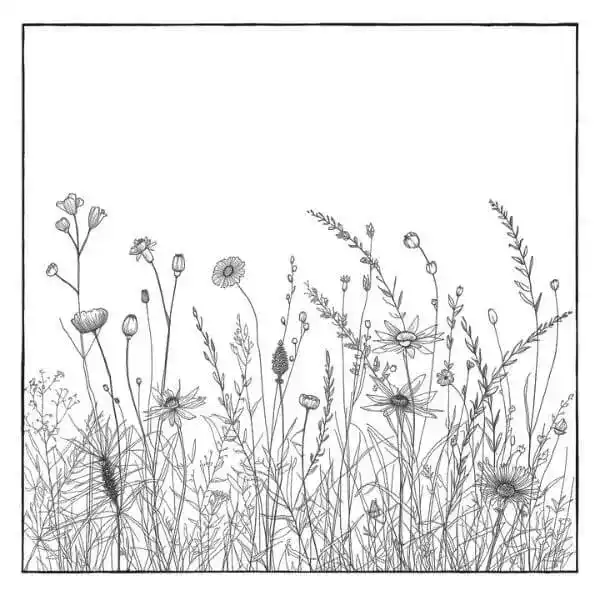
Plant Type: Flower
Flowering plants are valued not only for their beauty but also for their traditional use in herbal preparations and natural remedies. Many flowers have been used historically in teas, infusions, and topical applications, often associated with calming, soothing, and aromatic properties. This collection explores a wide variety of flowers used in both traditional herbal practices and modern natural wellness.
-
Arnica
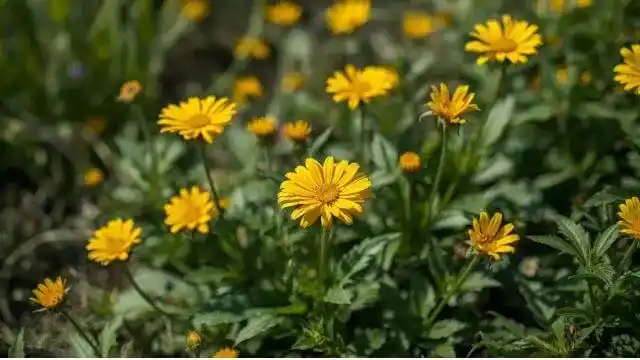
Arnica is a mountain herb traditionally valued in European herbal practices for its bright yellow flowers and long history of external use…
-
Californian Poppy
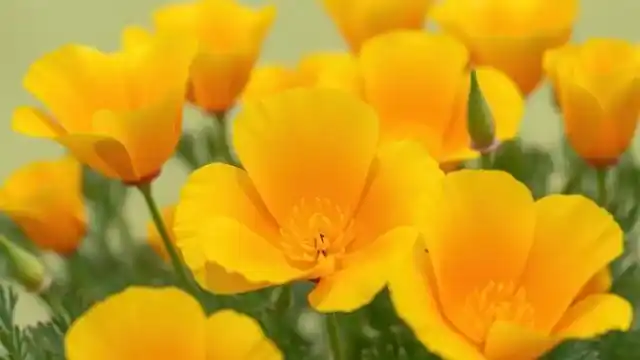
Californian poppy is a bright orange flowering herb traditionally used for calming herbal preparations and evening teas. The aerial parts are valued…
-
Cornflower
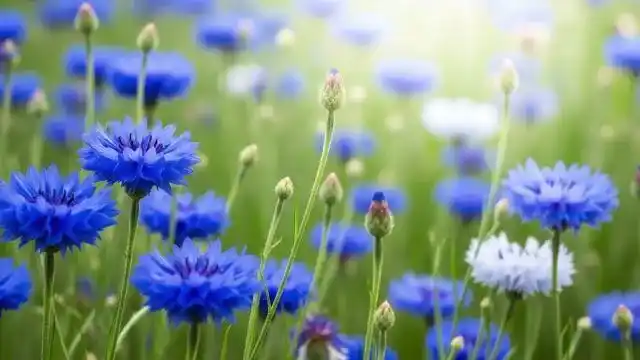
Cornflower is a bright blue annual flower traditionally used in decorative and gentle herbal preparations. The petals are the best-known part used.…
-
Cowslip
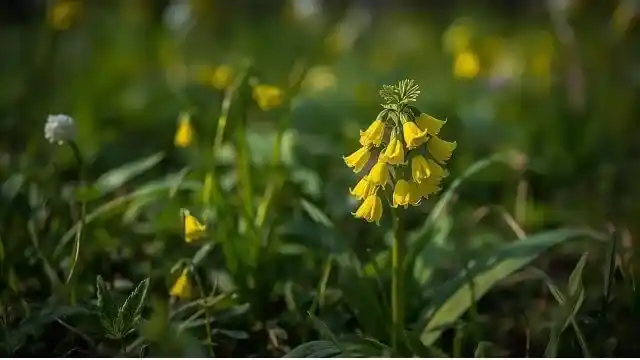
Cowslip is a traditional medicinal herb valued in herbal traditions. It has historically been used in herbal preparations and traditional remedies. Native…
-
Echinacea
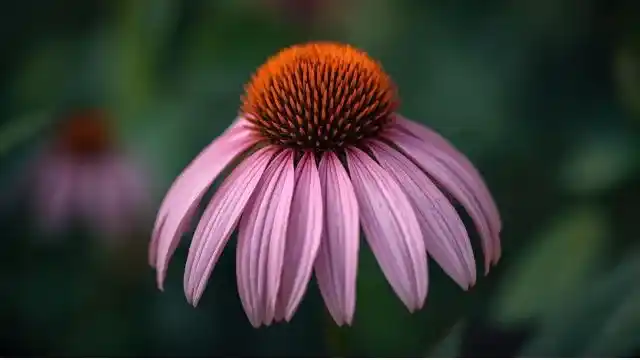
Echinacea is a distinctive flowering herb traditionally valued in North American and modern herbal traditions. Known for its bold daisy-like blooms and…
-
Foxglove
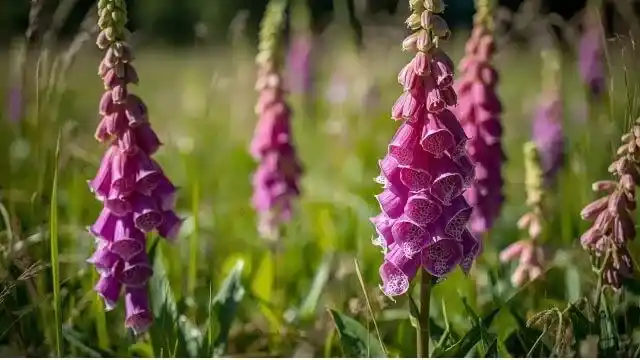
Foxglove is a traditional medicinal herb valued in herbal traditions. It has historically been used in herbal preparations and traditional remedies. Native…
-
Helichrysum
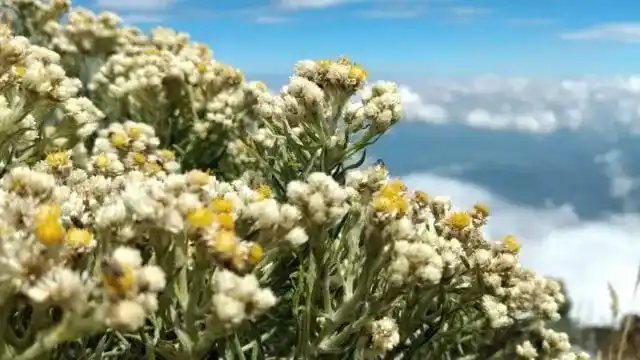
Helichrysum is a silver-leaved Mediterranean herb traditionally used in aromatic and topical preparations. Its flowering tops have long been valued in infused…
-
Iris
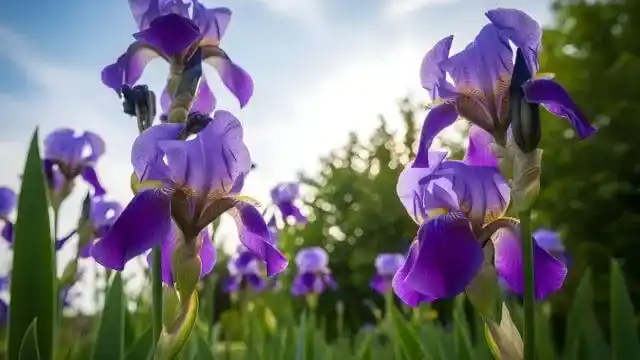
Iris is a striking perennial flowering plant with a long but cautious place in traditional herbal history. Certain species, especially blue flag…
-
Lupin
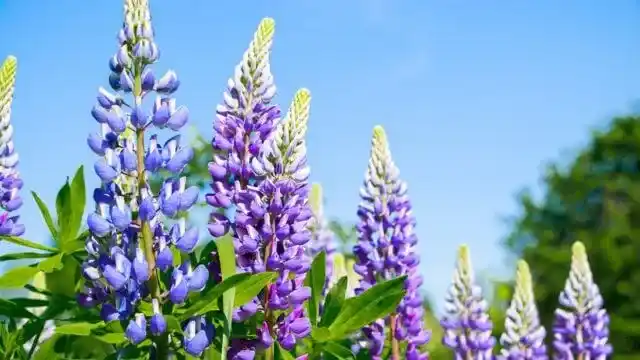
Lupin is a flowering legume grown for both ornamental and seed uses, though many species contain bitter alkaloids. Some traditionally prepared seeds…
-
Nasturtium
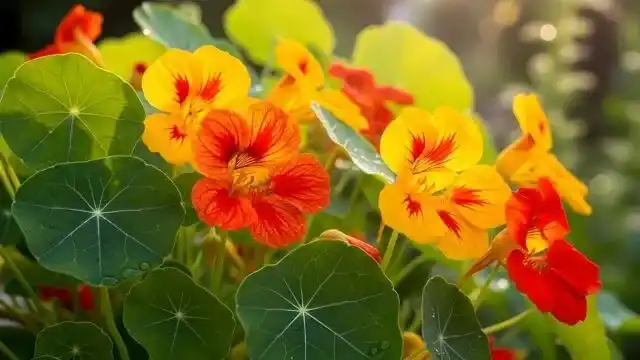
Nasturtium is an edible flowering herb valued in both gardens and kitchen use. Its leaves, flowers, and seeds have a peppery taste…
-
Passionflower
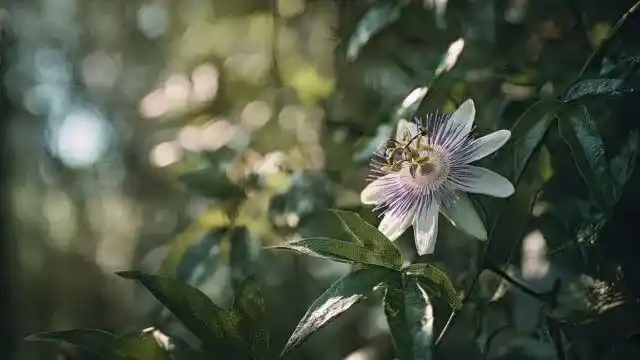
Passionflower is a climbing vine traditionally used in calming herbal teas and tinctures. The aerial parts are the portions most often harvested.…
-
Red Clover
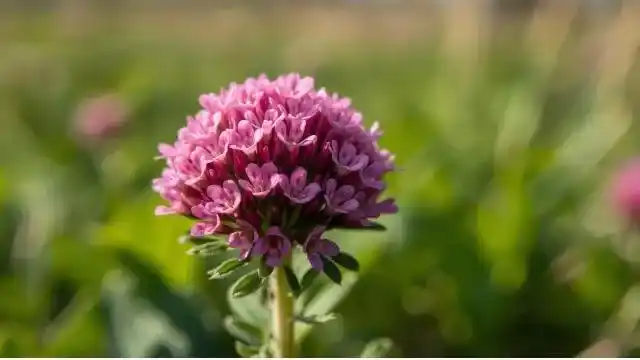
Red clover is a familiar flowering herb traditionally valued for its pink-purple blossoms and long use in teas and botanical blends. It…
Looking for a specific plant?
Browse the full Flowers, Herbs & Plants A–Z directory →Plant Type: Flower
Flowering plants are valued not only for their beauty but also for their traditional use in herbal preparations and natural remedies. Many flowers have been used historically in teas, infusions, and topical applications, often associated with calming, soothing, and aromatic properties. This collection explores a wide variety of flowers used in both traditional herbal practices and modern natural wellness.
-
Arnica is a mountain herb traditionally valued in European herbal practices for its bright yellow flowers and long history of external use in oils, salves, and compresses. It remains one of the best-known topical herbs in traditional botanical preparations.
-
Californian poppy is a bright orange flowering herb traditionally used for calming herbal preparations and evening teas. The aerial parts are valued in gentle herbal formulas linked with relaxation. Native to western North America, it is widely grown as an ornamental wildflower in sunny gardens.
-
Cornflower is a bright blue annual flower traditionally used in decorative and gentle herbal preparations. The petals are the best-known part used. Native to Europe, cornflower has long been grown in cottage gardens and wildflower plantings for its vivid color and easy summer flowering habit.
-
Cowslip is a traditional medicinal herb valued in herbal traditions. It has historically been used in herbal preparations and traditional remedies. Native to Europe and Western Asia, it has long been included in teas, tinctures, and herbal preparations.
-
Echinacea is a distinctive flowering herb traditionally valued in North American and modern herbal traditions. Known for its bold daisy-like blooms and prominent seed heads, it has long been included in botanical preparations, teas, and tinctures used in traditional seasonal wellness practices.
-
Foxglove is a traditional medicinal herb valued in herbal traditions. It has historically been used in herbal preparations and traditional remedies. Native to Europe, it has long been included in teas, tinctures, and herbal preparations.
-
Helichrysum is a silver-leaved Mediterranean herb traditionally used in aromatic and topical preparations. Its flowering tops have long been valued in infused oils and herbal blends. Native to the Mediterranean, helichrysum is known for its warm scent and clusters of yellow everlasting flowers.
-
Iris is a striking perennial flowering plant with a long but cautious place in traditional herbal history. Certain species, especially blue flag iris, have been used in older preparations, though the rhizome is strongly irritating. Native to North America, iris is also widely grown as an ornamental garden flower.
-
Lupin is a flowering legume grown for both ornamental and seed uses, though many species contain bitter alkaloids. Some traditionally prepared seeds were used as food after careful soaking and processing. Native to the Mediterranean region, lupin is also valued as a striking garden plant.
-
Nasturtium is an edible flowering herb valued in both gardens and kitchen use. Its leaves, flowers, and seeds have a peppery taste and a history of use in fresh household preparations. Native to South America, nasturtium is known for its bright blooms and easy-growing habit.
-
Passionflower is a climbing vine traditionally used in calming herbal teas and tinctures. The aerial parts are the portions most often harvested. Native to the southeastern United States, passionflower is recognized for its intricate flowers, twining growth, and edible fruit in some varieties.
-
Red clover is a familiar flowering herb traditionally valued for its pink-purple blossoms and long use in teas and botanical blends. It has a strong presence in traditional European and North American herbal practice and remains well known in household herbal preparations.
Looking for a specific plant?
Browse the full Flowers, Herbs & Plants A–Z directory →About Us
Organic Goodness offers the Flowers & Herbs website as an educational resource covering medicinal herbs, essential oils, botanical traditions and natural living.
Browse
Links
The information on this website is for educational purposes only and is not intended as medical advice. Always consult a qualified healthcare professional before using herbs, supplements, or natural products.