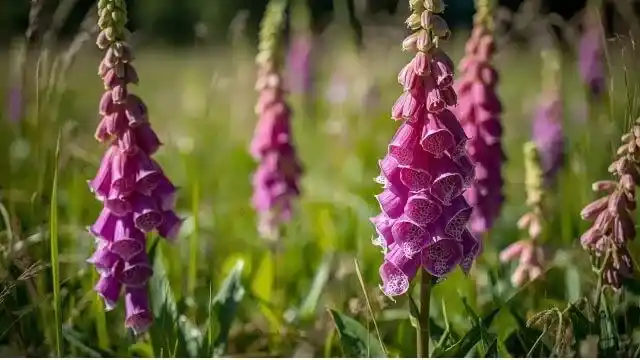

Foxglove Identification & Safety (Digitalis purpurea)

Foxglove is a striking flowering plant known for its tall spikes of bell-shaped blossoms that appear in shades of purple, pink, white, and cream. The species most commonly referred to as foxglove is Digitalis purpurea, a plant native to Europe that is now widely cultivated in gardens and naturalized in parts of North America. Foxglove is historically significant because compounds found in the plant led to the development of important heart medications, but the plant itself is toxic and is not used in modern home herbal preparations.

Foxglove Benefits and Traditional Uses

Foxglove is historically significant because compounds found in the plant led to the development of important heart medications. While the plant played an important role in the history of medicine, foxglove itself is toxic and is not used in modern home herbal preparations. Today it is primarily grown as an ornamental garden plant.


Foxglove Preparation Methods

Foxglove should not to be used for any herbal preparations


Growing Foxglove

This herb grows in a range of garden conditions and is sometimes cultivated in herb gardens.

  • Prefers full sun to partial shade
  • Grows best in well-drained soil
  • Hardiness varies depending on species
  • Can be cultivated in temperate regions of the United States

When grown in suitable conditions, the plant can become well established and may self-seed or spread depending on the species.

“The foxglove, with its tall spires of purple bells, is as beautiful as it is powerful.”


Foxglove is Poisonous – Requires Extreme Caution

Foxglove has a long history of botanical significance, however it is not considered a casual-use herb and requires extreme caution.


However:

    • Foxglove is highly toxic and contains potent cardiac glycosides that can be dangerous even in very small amounts.
    • Foxglove should not be self-administered, home-prepared, or used as a casual herbal remedy.
    • Accidental ingestion may cause serious symptoms including nausea, vomiting, visual disturbances, and dangerous effects on heart rhythm.
    • Children and pets should be kept well away from foxglove plants, flowers, and dried plant material, as ingestion may be life-threatening.
    • Foxglove should only be handled or studied with clear awareness of its toxicity.
    • If accidental ingestion is suspected in humans, seek urgent medical attention immediately.
    • If a pet may have ingested foxglove, contact a veterinarian or the ASPCA Animal Poison Control Center (888-426-4435) without delay.


This information is provided for educational purposes only and is not medical advice.

Image Disclaimer: Images are for reference only and should not be used as the sole method of identification. Always confirm identification with a qualified source.
Frequently Asked Questions
What is foxglove known for historically?

Foxglove is historically significant because compounds found in the plant led to the development of important heart medications. However, the plant itself is toxic and is not used in modern home herbal preparations. Today foxglove is mainly grown as an ornamental garden plant.

Is foxglove poisonous?

Yes. All parts of the foxglove plant are considered toxic if ingested. Foxglove contains naturally occurring cardiac glycosides that can affect the heart, which is why the plant is grown primarily as an ornamental garden flower rather than used in home herbal preparations.

Can foxglove grow in the United States?

Foxglove grows well in many parts of the United States and is hardy in USDA growing zones 4–9.

Where does foxglove grow best?

Foxglove prefers partial shade, moist soil, and cooler climates.

Is foxglove grown in gardens?

Yes. Foxglove is commonly grown in cottage gardens for its tall flowering spikes.

What plant family does foxglove belong to?

Foxglove belongs to the Plantaginaceae plant family.

Foxglove

Help Us Improve the Foxglove Page

Do you grow, photograph, study, or work with this plant?

If you have an accurate photo, growing experience, traditional use note, identification detail, correction, or useful source to share, we would love to hear from you.

Your contribution may help improve the accuracy, usefulness, and educational value of this page for other readers.


Share a photo, correction, or plant note →

Botanical Overview

  • Botanical name: Digitalis purpurea
  • Family: Plantaginaceae
  • Plant type: Flowering plant
  • Native region: Europe
  • Common names: Purple foxglove