
Red Clover Benefits & Uses (Trifolium pratense)

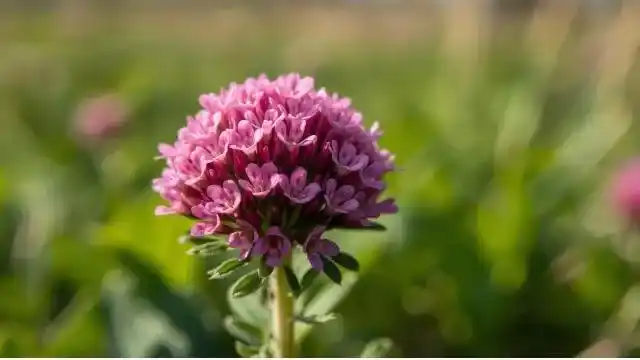
Red clover is a short-lived perennial herb with rounded flower heads in shades of pink to purple and trifoliate leaves marked with a pale crescent. Native to Europe, western Asia, and northwestern Africa and widely naturalized in North America, it has long been recognized as both a pasture plant and a traditional herb.

The blossoms are especially associated with herbal teas and seasonal botanical preparations. Because the plant is so widespread and easy to recognize, red clover became a familiar part of many household herbal traditions and continues to appear regularly in botanical literature.

Red Clover Benefits and Traditional Uses

Red clover has traditionally been used to support:

  • Blossom-based herbal teas
  • Seasonal botanical blends
  • Traditional household infusions
  • Classic meadow herb preparations
  • Gentle floral herbal practice

Red clover has long been used in European and North American folk herbalism where the flower heads were dried for teas and household preparations. Its abundance in meadows and fields made it one of the most accessible and familiar flowering herbs in traditional use.

Red clover has long been a familiar meadow herb in traditional teas and floral botanical preparations.

– Traditional herbal reference

Red Clover Preparation Methods

Red clover can be prepared in several traditional ways:


Herbal Tea

Dried red clover blossoms are commonly steeped in hot water to prepare a traditional floral infusion.

Part of the plant used: Flowers

Tincture

The blossoms may be extracted in alcohol for use in concentrated herbal preparations.

Part of the plant used: Flowers

Infused Vinegar

Red clover flowers may be added to vinegar in traditional household herbal preparations.

Part of the plant used: Flowers

Botanical Blend

The dried blossoms are often combined with other herbs in loose-leaf tea blends.

Part of the plant used: Flowers


Growing Red Clover

Red clover is an easy-to-grow flowering herb that is often found in meadows, lawns, and mixed garden plantings. It attracts pollinators and grows well in open sunny spaces with moderate moisture.

  • Prefers full sun to light partial shade
  • Grows best in moderately fertile, well-drained soil
  • Benefits from regular moisture
  • Suitable for USDA hardiness zones 4-8 in the United States
  • Commonly found in meadows, pastures, and temperate gardens across the United States

Red clover may self-seed in favorable conditions and is often appreciated as both a useful herb and a pollinator-friendly flowering plant.


Safety Considerations

Red Clover has a long history of traditional use, however care should always be taken when using herbal plants.

However:

  • Red clover contains naturally occurring isoflavones, and concentrated use may not be suitable for everyone.
  • Because red clover may influence blood clotting, individuals using anticoagulant medications should use caution.
  • Individuals with hormone-sensitive conditions should use caution with concentrated red clover products.
  • Because red clover belongs to the legume family, allergic sensitivity is possible in some individuals.
  • Pregnant or breastfeeding individuals should consult a qualified healthcare professional before using concentrated red clover preparations.
  • Always consult a qualified healthcare professional before combining herbs with prescription medications.

This information is provided for educational purposes only and is not medical advice.

Image Disclaimer: Images are for reference only and should not be used as the sole method of identification. Always confirm identification with a qualified source.
Frequently Asked Questions
What is red clover traditionally used for?

Red clover has traditionally been used for skin health, women's well-being, and general tonic support. It is most commonly prepared from the flowering tops.

Which part of red clover is used?

The flowering tops are the main part used in herbal preparations. These are usually harvested when the blossoms are fresh and vibrant.

How is red clover commonly prepared?

Red clover is commonly prepared as tea, tincture, capsules, and herbal blends. It may also appear in traditional formulas for skin and general wellness support.

Can red clover be taken as a tea?

Yes, red clover is often enjoyed as an herbal tea, either on its own or blended with other herbs. The dried blossoms are the usual part used.

Is red clover associated with women's health traditions?

Yes, red clover is often mentioned in traditional herbal systems that support women's well-being, especially during times of hormonal change.

Can Red Clover be grown in the United States?

Red clover grows across much of the United States, especially in meadows, pastures, and cooler regions of the Northeast, Midwest, and Pacific Northwest. It is one of the more commonly foraged herbs, but it should be gathered only from unsprayed areas away from roadsides and contamination.

Red Clover (Trifolium pratense) medicinal herb flower traditionally used in herbal teas and traditional cleansing remedies

Help Us Improve the Red Clover Page

Do you grow, photograph, study, or work with this plant?

If you have an accurate photo, growing experience, traditional use note, identification detail, correction, or useful source to share, we would love to hear from you.

Your contribution may help improve the accuracy, usefulness, and educational value of this page for other readers.


Share a photo, correction, or plant note →

Botanical Overview

  • Botanical name: Trifolium pratense
  • Family: Fabaceae
  • Plant type: Flowering herb
  • Native region: Europe, western Asia, and northwestern Africa
  • Common names: Red clover, purple clover, meadow clover