
Cornflower Benefits & Uses (Centaurea cyanus)

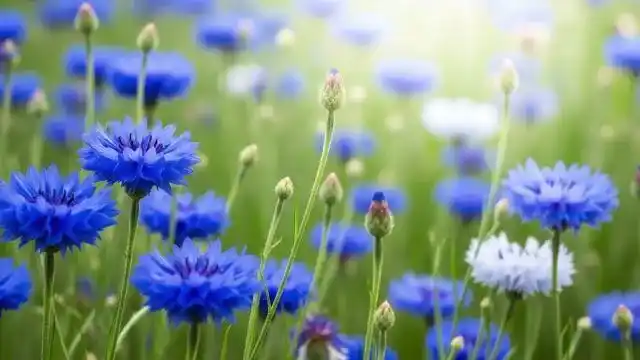
Cornflower (Centaurea cyanus) is an annual flowering herb in the Asteraceae family. Native to Europe, it has slender stems, narrow leaves, and vivid blue flower heads that have made it a classic cottage garden favorite. The petals are the part most commonly used in decorative and gentle herbal preparations.

Traditionally, cornflower has been used in floral teas, washes, and skin care-style preparations, and it is often valued as much for appearance as for herbal use. Dried petals are also widely used in herbal blends for color.

Because it is easy to grow from seed and flowers freely, cornflower is a popular addition to home gardens and pollinator plantings across the United States.

Cornflower Benefits and Traditional Uses

Cornflower has traditionally been used to support:

  • Decorative herbal tea blends
  • Traditional floral washes
  • Topical skin care preparations
  • Petal use in herbal crafts
  • Cottage garden herb traditions

Historically, cornflower petals were used in simple household preparations and were also cherished for adding bright natural color to herb mixtures and garden plantings.

“Cornflower has long brought both color and charm to the herbal garden and the household herb jar.”

— Traditional cottage garden reference

Cornflower Preparation Methods

Cornflower can be prepared in several traditional ways:


Tea

Cornflower petals may be prepared as a light herbal tea, either on their own or combined with other herbs in traditional tea preparations.

Part of the plant used: Petals

Infusion

Dried petals may be steeped in hot water for gentle floral infusions.

Part of the plant used: Petals

Wash

Prepared infusion may be used as part of traditional external washes.

Part of the plant used: Petals

Herbal Blend

Cornflower petals are often added to tea blends for color and visual appeal.

Part of the plant used: Petals

Infused Oil

Petals may be infused gently into oil for topical preparations.

Part of the plant used: Petals


Growing Cornflower

Cornflower is an easy annual flower that grows best in sunny open sites and well-drained soil.

  • Prefers full sun
  • Grows best in well-drained soil
  • Suitable for USDA growing zones 2–11 as an annual
  • Can be grown across most of the United States from spring sowing
  • Often included in cottage gardens, cutting beds, and pollinator mixes

Cornflower may self-seed in favorable conditions but is generally easy to manage. Removing spent flowers can extend blooming and keep plantings tidy.


Safety Considerations

Cornflower has a long history of gentle traditional use, however a few precautions still apply.

However:

  • Individuals sensitive to plants in the Asteraceae family should use caution.
  • Topical use may irritate very sensitive skin in some individuals.
  • Use only clean, unsprayed flowers intended for herbal use.
  • Pregnant or breastfeeding individuals should consult a qualified healthcare professional before internal use of concentrated preparations.
  • Correct identification is important when using blue flowers from the garden.
  • Always consult a qualified healthcare professional before using herbs for health purposes.

This information is provided for educational purposes only and is not medical advice.

Image Disclaimer: Images are for reference only and should not be used as the sole method of identification. Always confirm identification with a qualified source.
Frequently Asked Questions
What is cornflower traditionally used for?

Cornflower is traditionally used in floral herbal blends, gentle washes, and decorative preparations. The petals are especially valued for their bright color.

What part of cornflower is used?

The petals are the best-known part used. They are often dried for tea blends, floral infusions, and topical preparations.

Can cornflower grow in the United States?

Yes, cornflower can be grown across most of the United States as an annual flower. It is easy to grow from seed in sunny, well-drained sites.

Is cornflower the same as bachelor’s button?

Yes, bachelor’s button is a common name for cornflower, especially Centaurea cyanus. The two names are often used interchangeably in gardening.

Can cornflower be used in tea blends?

Yes, dried cornflower petals are often added to tea blends, mainly for color and visual appeal. They are commonly included with other floral herbs.

Is cornflower good for pollinator gardens?

Yes, cornflower is often included in pollinator-friendly plantings because its flowers attract bees and other insects. It is also a popular cut flower for summer gardens.

Cornflower Benefits, Features and Medicinal Uses

Help Us Improve the Cornflower Page

Do you grow, photograph, study, or work with this plant?

If you have an accurate photo, growing experience, traditional use note, identification detail, correction, or useful source to share, we would love to hear from you.

Your contribution may help improve the accuracy, usefulness, and educational value of this page for other readers.


Share a photo, correction, or plant note →

Botanical Overview

  • Botanical name: Centaurea cyanus
  • Family: Asteraceae
  • Plant type: Annual flowering plant
  • Native region: Europe
  • Common names: Bachelor's button, bluebottle