Helichrysum Benefits & Uses (Helichrysum italicum)

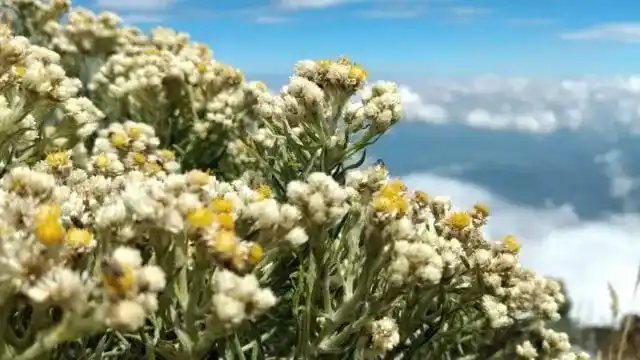
Helichrysum is an aromatic perennial subshrub known botanically as Helichrysum italicum, a member of the Asteraceae family native to the Mediterranean region. It has narrow silver-gray leaves and clusters of small yellow flowers, and the flowering tops and aerial parts are the portions traditionally used.

In traditional herbal practice, helichrysum has often been prepared as infused oil, tincture, and aromatic tea, especially in Mediterranean traditions that valued it for skin care and household herbal use. Its lasting flowers also made it a favored plant for drying and decorative use.

Helichrysum is often associated with the name immortelle because the flowers retain their shape and color well after drying.

Learn more about its therapeutic properties and uses in our Helichrysum essential oil guide.

Helichrysum Benefits and Traditional Uses

Helichrysum has traditionally been used to support:

  • Traditional topical skin preparations
  • Infused oils and aromatic salves
  • Respiratory comfort in herbal steam blends
  • General Mediterranean household herbal use
  • Herbal teas and tinctures using the flowering tops

Historically, helichrysum was valued in Mediterranean herbal traditions for its warm aroma, bright flowers, and role in topical and aromatic preparations.

“Helichrysum has long been esteemed for its aromatic flowers and its place in traditional skin and household preparations.”

“Helichrysum has long been treasured in Mediterranean herb gardens for its fragrance and enduring golden flowers.”

— Traditional Mediterranean herbal reference

Helichrysum Preparation Methods

Helichrysum can be prepared in several traditional ways:


Infused Oil

The flowering tops may be infused in a carrier oil to prepare a traditional aromatic oil for external use.

Part of the plant used: Flowering tops

Salve or Balm

Helichrysum infused oil may be blended with beeswax or other thickeners to make topical balms.

Part of the plant used: Flowering tops

Tincture

The fresh or dried aerial parts may also be prepared as a tincture.

Part of the plant used: Flowering tops and aerial parts


Growing Helichrysum

Helichrysum is a sun-loving aromatic subshrub that forms a low mound of silver foliage and yellow flowers in warm, dry conditions.

  • Prefers full sun and open, well-ventilated growing conditions
  • Thrives in sharply drained, sandy, or gravelly soil and dislikes waterlogged ground
  • Hardy in USDA zones 8-10 and best suited to warmer parts of the United States
  • Well suited to Mediterranean-style gardens, raised beds, and dry herb borders

Helichrysum is drought tolerant once established and performs best when not overwatered. In cooler regions it is often grown in containers or given winter protection.


Safety Considerations

Helichrysum has a long history of traditional use, however concentrated preparations and essential oil products should still be used thoughtfully.

However:

  • Helichrysum belongs to the Asteraceae family, so individuals sensitive to daisies, ragweed, or related plants should use caution.
  • Topical preparations may occasionally cause skin irritation, so patch testing is sensible before wider use.
  • Strong extracts or essential oil products are not the same as mild herbal preparations and may be too concentrated for casual use.
  • Pregnant or breastfeeding individuals should consult a qualified healthcare professional before using concentrated helichrysum products internally.
  • Individuals using multiple skin products or aromatic extracts should introduce helichrysum preparations gradually.
  • Always consult a qualified professional before using herbs for health purposes.

This information is provided for educational purposes only and is not medical advice.

Image Disclaimer: Images are for reference only and should not be used as the sole method of identification. Always confirm identification with a qualified source.
Frequently Asked Questions
What is helichrysum traditionally used for?

Helichrysum has traditionally been used in aromatic and topical herbal preparations, especially infused oils and salves. It is often associated with Mediterranean skin care and household herb use.

What part of helichrysum is used in herbal preparations?

The flowering tops and aerial parts are the main parts used. These fragrant portions are often gathered when the plant is blooming.

How is helichrysum prepared?

Helichrysum is commonly prepared as an infused oil, salve, tincture, or aromatic infusion. It is especially well known for external herbal preparations.

Can helichrysum grow in the United States?

Helichrysum grows best in warmer parts of the United States, especially in USDA zones 8-10. It prefers full sun and very well-drained soil.

Is helichrysum the same as immortelle?

Yes. Helichrysum italicum is often called immortelle because the flowers hold their form and color well after drying.

Are there safety concerns with helichrysum?

People sensitive to plants in the Asteraceae family should use caution with helichrysum. Topical products and concentrated aromatic forms are best introduced carefully.

Helichrysum Benefits and Traditional Uses

Help Us Improve the Helichrysum Page

Do you grow, photograph, study, or work with this plant?

If you have an accurate photo, growing experience, traditional use note, identification detail, correction, or useful source to share, we would love to hear from you.

Your contribution may help improve the accuracy, usefulness, and educational value of this page for other readers.


Share a photo, correction, or plant note →

Botanical Overview

  • Botanical name: Helichrysum italicum
  • Family: Asteraceae
  • Plant type: Flowering herb
  • Native region: Mediterranean region
  • Common names: Helichrysum, curry plant, immortelle