
Nasturtium Benefits & Uses (Tropaeolum majus)

Nasturtium is a colorful annual flowering herb known botanically as Tropaeolum majus, a member of the Tropaeolaceae family native to South America. It has rounded leaves, funnel-shaped flowers in warm colors, and peppery-tasting aerial parts, with the leaves, flowers, and seeds all traditionally used.

In traditional and household herbal use, nasturtium has been valued for food, fresh salads, and simple herbal preparations. It is commonly associated with stimulating, peppery greens and bright edible flowers.

Nasturtium is especially popular in home gardens because it is both ornamental and edible, making it useful in kitchen and herb plots alike.

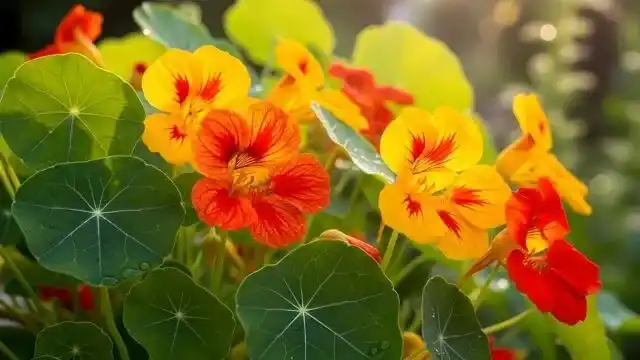
Nasturtium Benefits and Traditional Uses

Nasturtium has traditionally been used to support:

  • Fresh edible flowers and leaves
  • Traditional household herb use
  • Peppery salad and vinegar preparations
  • Seed use in pickled condiments
  • Garden herb with culinary value

Historically, nasturtium has been used more in fresh household and culinary traditions than in deep medicinal systems, though it has still been valued as a useful edible garden herb.

“Nasturtium has long been treasured as a cheerful garden herb whose flowers and leaves enliven the table.”

“Nasturtium has long been treasured as a cheerful garden herb whose flowers and leaves enliven the table.”

— Traditional garden herbal reference

Nasturtium Preparation Methods

Nasturtium can be prepared in several traditional ways:


Fresh Salad Herb

The fresh leaves and flowers are commonly added to salads and savory dishes.

Part of the plant used: Leaves and flowers

Infused Vinegar

Nasturtium flowers may be steeped in vinegar for colorful culinary preparations.

Part of the plant used: Flowers

Pickled Seeds

The immature seeds are sometimes pickled and used in condiment-style preparations.

Part of the plant used: Seeds

Fresh Juice or Mash

Fresh aerial parts may be used in small household herb preparations.

Part of the plant used: Leaves and flowers


Growing Nasturtium

Nasturtium is a fast-growing annual that thrives in sunny garden beds and trailing containers, often flowering generously through the warm season.

  • Prefers full sun to light shade
  • Grows best in well-drained soil and often flowers better in soil that is not overly rich
  • Commonly grown as an annual throughout the United States in spring and summer
  • Suitable for garden beds, borders, vegetable plots, and containers in many US climates

Nasturtium is easy to grow from seed and often self-sows in suitable gardens. Overly rich soil may encourage leaves at the expense of flowers.


Safety Considerations

Nasturtium has a history of culinary and household use and is generally considered an edible garden plant, however some precautions still apply.

However:

  • Large amounts of peppery fresh material may irritate sensitive stomachs in some individuals.
  • Topical use of fresh plant material may cause irritation in sensitive skin.
  • Only correctly identified garden nasturtium should be used, as ornamental confusion with unrelated plants should be avoided.
  • Pregnant or breastfeeding individuals should seek professional advice before using concentrated herbal preparations regularly.
  • People with very sensitive digestion should begin with modest culinary amounts.
  • Always consult a qualified healthcare professional before using herbs for health purposes.

This information is provided for educational purposes only and is not medical advice.

Image Disclaimer: Images are for reference only and should not be used as the sole method of identification. Always confirm identification with a qualified source.
Frequently Asked Questions
What is nasturtium traditionally used for?

Nasturtium is traditionally used as an edible garden herb in fresh household preparations, salads, and simple herbal uses.

What part of nasturtium is used?

The leaves, flowers, and seeds can all be used, especially in fresh culinary preparations.

Can nasturtium be eaten?

Yes. Nasturtium is widely known as an edible flower and leaf plant with a peppery flavor.

Does nasturtium grow in the United States?

Yes. Nasturtium is commonly grown as an annual across the United States in spring and summer gardens.

Are nasturtium seeds edible?

Yes. The immature seeds are sometimes pickled and used as a condiment.

Are there safety concerns with nasturtium?

Nasturtium is generally treated as an edible garden plant, but larger amounts may irritate sensitive digestion and fresh plant material may bother sensitive skin.

Nasturtium Benefits and Traditional Uses

Help Us Improve the Nasturtium Page

Do you grow, photograph, study, or work with this plant?

If you have an accurate photo, growing experience, traditional use note, identification detail, correction, or useful source to share, we would love to hear from you.

Your contribution may help improve the accuracy, usefulness, and educational value of this page for other readers.


Share a photo, correction, or plant note →

Botanical Overview

  • Botanical name: Tropaeolum majus
  • Family: Tropaeolaceae
  • Plant type: Flowering plant
  • Native region: South America
  • Common names: Garden nasturtium, Indian cress