

Echinacea Benefits & Uses (Echinacea purpurea)

Echinacea is a striking flowering herb native to North America and is recognized for its bold pink or purple petals surrounding a raised central cone. Several species have been used in traditional herbal practices, with Echinacea purpurea and Echinacea angustifolia among the most widely known.

For generations echinacea has been referenced in traditional North American herbal use and later became widely adopted into broader herbal traditions. The root, aerial parts, and flowers have all been used in various preparations, and the plant remains one of the most recognizable herbs in modern botanical practice.

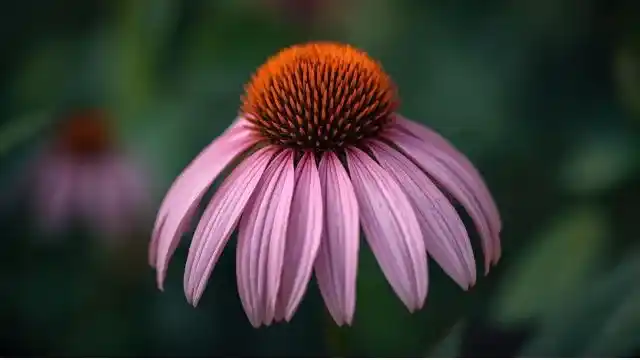
Echinacea Benefits and Traditional Uses

Echinacea has traditionally been used to support:

  • Seasonal herbal preparations
  • Traditional botanical wellness practices
  • Herbal teas and tinctures
  • General household herbal blends
  • Traditional North American herbal use

Echinacea has a long history of use in North American herbal traditions and later became one of the most widely referenced herbs in modern botanical practice. Because of its striking flowers and long-standing herbal reputation, it remains a familiar plant in herb gardens and traditional preparations alike.

Echinacea remains one of the most recognizable herbs in modern botanical traditions and has long been valued in North American herbal practice.

— Traditional herbal reference

Echinacea Preparation Methods

Echinacea can be prepared in several traditional ways:


Herbal Tea

Dried echinacea root, leaves, or flowers may be steeped to prepare traditional herbal infusions and teas.

Part of the plant used: Root, leaves, or flowers

Tincture

Echinacea is commonly prepared as an alcohol extract for use in concentrated botanical preparations.

Part of the plant used: Root or aerial parts

Powder

The dried root may be ground and added to capsules or blended into traditional herbal formulas.

Part of the plant used: Root

Fresh Herb Preparation

Fresh aerial parts are sometimes used in tinctures and seasonal household preparations.

Part of the plant used: Leaves, flowers, and stems


Growing Echinacea

Echinacea is a hardy perennial herb valued for its bold daisy-like flowers and upright growth habit. It is commonly grown in herb gardens, borders, and pollinator plantings where it adds both color and seasonal interest.

  • Prefers full sun
  • Grows best in well-drained soil
  • Tolerates dry conditions once established
  • Suitable for USDA hardiness zones 3–9 in the United States
  • Commonly grown in many temperate regions of the United States

Echinacea is attractive to pollinators and benefits from occasional division or seed collection to maintain strong garden plantings over time.


Safety Considerations

Echinacea has a long history of traditional use, however care should always be taken when using herbal plants.

However:

  • Echinacea may trigger allergic reactions in some individuals, especially those sensitive to ragweed, daisies, or other Asteraceae plants.
  • Some individuals may experience digestive upset, tingling in the mouth, or mild nausea with concentrated preparations.
  • Because echinacea may influence immune activity, individuals with autoimmune conditions or those using immune-related medications should use caution.
  • Topical products may occasionally irritate sensitive skin.
  • Pregnant or breastfeeding individuals should consult a qualified healthcare professional before using echinacea products.
  • Always consult a qualified healthcare professional before using echinacea alongside prescription medications.

This information is provided for educational purposes only and is not medical advice.

Image Disclaimer: Images are for reference only and should not be used as the sole method of identification. Always confirm identification with a qualified source.
Frequently Asked Questions
What is echinacea traditionally used for?

Echinacea is traditionally used to support immune health and general resilience, especially during seasonal challenges. It is one of the most recognized Western herbal remedies.

Which part of echinacea is used?

The root, aerial parts, and flowers may all be used depending on the species and preparation. Echinacea purpurea and Echinacea angustifolia are especially well known.

How is echinacea commonly prepared?

Echinacea is commonly prepared as tincture, tea, capsules, tablets, and liquid extracts. Tinctures are especially popular.

Can echinacea be taken at the first sign of a cold?

Many people traditionally reach for echinacea during seasonal immune challenges. Exact use depends on the product and individual circumstances.

Does echinacea taste strong?

Yes, echinacea can have a distinctive tingling or slightly numbing taste, especially in tincture form. This sensation is often associated with the fresh root.

Can Echinacea be grown in the United States?

Different echinacea species are native to parts of the United States, especially the Great Plains, Midwest, and some central and southern regions, and they are also widely cultivated in gardens. Wild foraging is generally discouraged because native populations can be stressed by overharvesting, so cultivated sources are preferred.

Echinacea plant health benefits

Help Us Improve the Echinacea Page

Do you grow, photograph, study, or work with this plant?

If you have an accurate photo, growing experience, traditional use note, identification detail, correction, or useful source to share, we would love to hear from you.

Your contribution may help improve the accuracy, usefulness, and educational value of this page for other readers.


Share a photo, correction, or plant note →

Botanical Overview

  • Botanical name: Echinacea purpurea
  • Family: Asteraceae
  • Plant type: Perennial herb
  • Native region: North America
  • Common names: Echinacea, purple coneflower, coneflower