
We are building a comprehensive database of plant profiles on Flowers and Herbs. This will be followed by detailed essential oil information and, finally, remedies to help you learn how to use plants and essential oils for overall well-being.
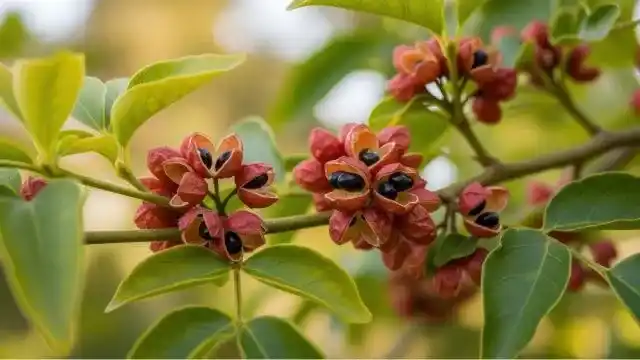
Cascara is a North American bark herb traditionally used in herbal preparations linked with bowel regularity. The aged bark is the part historically prepared, not the fresh bark. Native to the Pacific Northwest, cascara grows as a shrub or small tree with glossy leaves and dark berries.
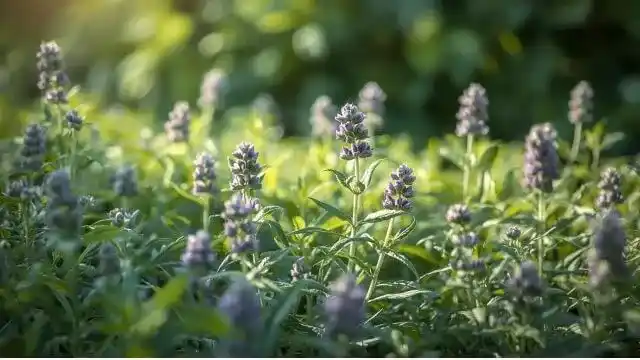
Catnip is a fragrant mint-family herb traditionally valued for its soft leaves, small flowers, and long use in gentle herbal teas. It has been used in traditional household herbal preparations and remains a familiar herb in cottage gardens and calming botanical blends.
Cats claw is a tropical woody vine traditionally used in Amazonian and South American herbal systems. The inner bark and root are the most commonly used parts in herbal preparations. Known for its hooked thorns, this rainforest plant has become widely recognized in modern herbal commerce.
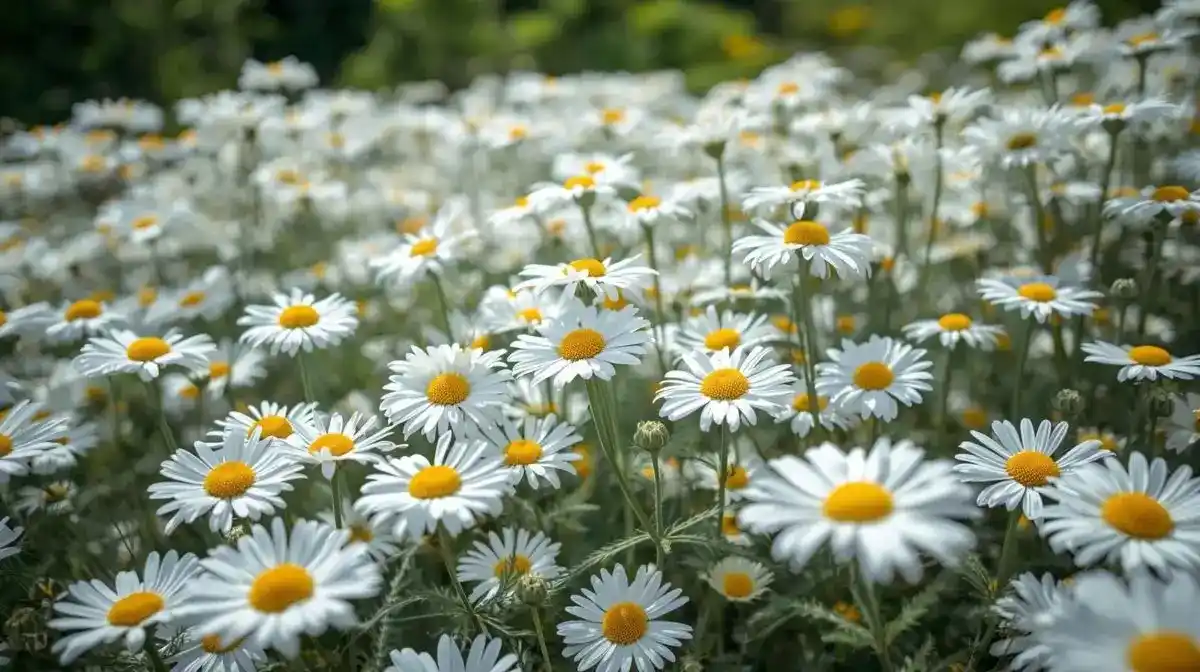
Chamomile is a gentle herbal flower traditionally used to promote relaxation, digestive comfort, and restful sleep. Widely consumed as a calming herbal tea, chamomile has been valued for centuries in traditional herbal medicine for its soothing properties.
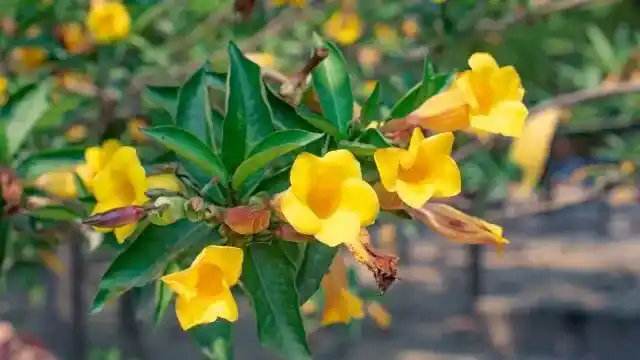
Chaparral is a desert shrub traditionally used in regional herbal practices of the American Southwest. The leaves and young stems are the parts most often prepared. Native to arid landscapes, chaparral is well known for its resinous scent after rain and its exceptional drought tolerance.

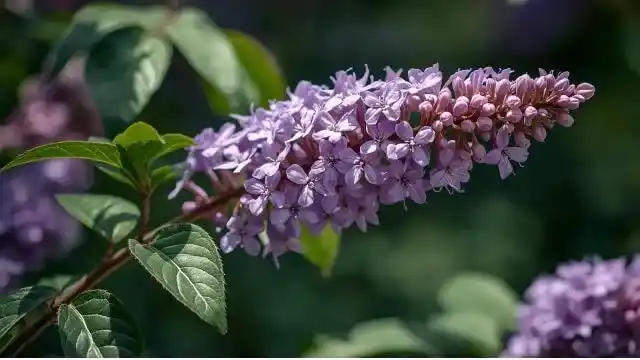
Chastetree is a Mediterranean shrub traditionally used in women’s herbal traditions, especially through its peppery fruits. It is commonly known as vitex in modern herbal commerce. With aromatic leaves and spikes of lilac flowers, chastetree is also widely grown as an ornamental landscape plant.
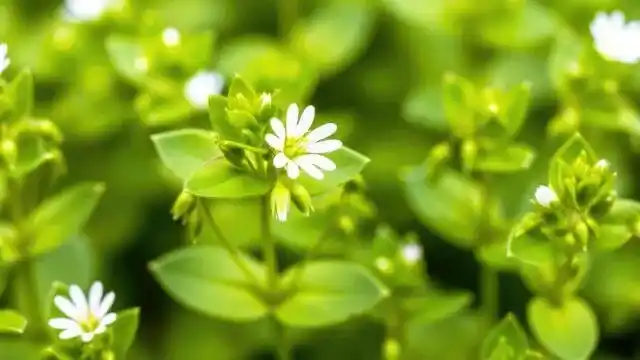
Chickweed is a tender green herb traditionally used in fresh preparations and soothing topical applications. It is recognized by its small star-like white flowers and sprawling stems. Now naturalized widely across North America, chickweed is common in cool, moist gardens and disturbed ground.
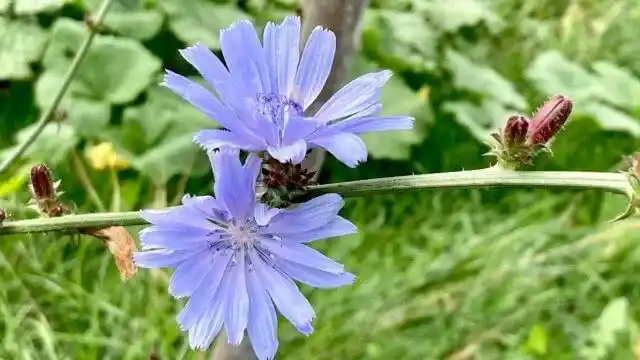
Chicory is a perennial herb known for its blue flowers, bitter leaves, and long taproot used in food and herbal traditions. It has long been associated with bitter digestive preparations. Naturalized widely in North America, chicory is common along roadsides, fields, and sunny open ground.
Cleavers is a light, scrambling herb recognized by its whorled leaves and clinging stems. It has traditionally been used as a fresh spring herb in teas, juices, and cooling preparations. Common in hedgerows and gardens, cleavers is widely found across temperate parts of North America.

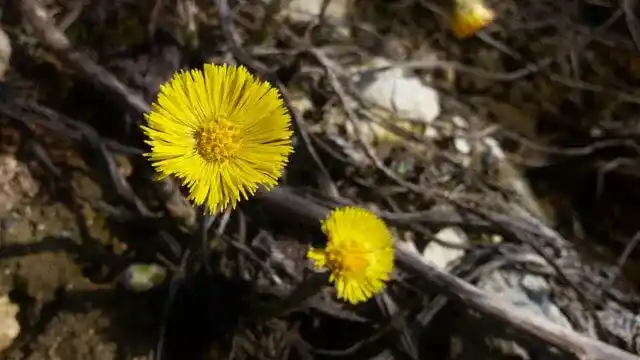
Coltsfoot is a perennial herb traditionally known for its leaves and bright yellow early spring flowers. It has long been used in older European herbal traditions, especially in preparations for the respiratory tract. Common in damp ground and disturbed soil, coltsfoot spreads readily by underground rhizomes.
We are currently developing detailed plant profiles covering traditional uses, preparation methods, safety considerations, and current research. New herb guides are added regularly as we build this comprehensive A–Z botanical resource.
Explore our growing collection of medicinal and culinary herbs used in traditional and modern herbal practices. Each herb profile provides clear, research-informed information about traditional uses, preparation methods, safety considerations, and botanical background.
Whether you’re interested in herbal teas, plant-based remedies, or learning more about the history and science behind medicinal plants, this A–Z guide is designed to help you better understand the role of herbs in natural wellness.
Each plant page will include:
New herb profiles are added regularly as our botanical reference library continues to expand.
Our detailed plant guides are currently being developed. Upcoming herb profiles include:
Please check back soon as we continue building this comprehensive herbal resource.
Looking for a specific plant?
Browse the full Flowers, Herbs & Plants A–Z directory →We are currently developing detailed plant profiles covering traditional uses, preparation methods, safety considerations, and current research. New herb guides are added regularly as we build this comprehensive A–Z botanical resource.
Explore our growing collection of medicinal and culinary herbs used in traditional and modern herbal practices. Each herb profile provides clear, research-informed information about traditional uses, preparation methods, safety considerations, and botanical background.
Whether you’re interested in herbal teas, plant-based remedies, or learning more about the history and science behind medicinal plants, this A–Z guide is designed to help you better understand the role of herbs in natural wellness.
Each plant page will include:
New herb profiles are added regularly as our botanical reference library continues to expand.
Looking for a specific plant?
Browse the full Flowers, Herbs & Plants A–Z directory →Cascara is a North American bark herb traditionally used in herbal preparations linked with bowel regularity. The aged bark is the part historically prepared, not the fresh bark. Native to the Pacific Northwest, cascara grows as a shrub or small tree with glossy leaves and dark berries.
Catnip is a fragrant mint-family herb traditionally valued for its soft leaves, small flowers, and long use in gentle herbal teas. It has been used in traditional household herbal preparations and remains a familiar herb in cottage gardens and calming botanical blends.
Cats claw is a tropical woody vine traditionally used in Amazonian and South American herbal systems. The inner bark and root are the most commonly used parts in herbal preparations. Known for its hooked thorns, this rainforest plant has become widely recognized in modern herbal commerce.
Chamomile is a gentle herbal flower traditionally used to promote relaxation, digestive comfort, and restful sleep. Widely consumed as a calming herbal tea, chamomile has been valued for centuries in traditional herbal medicine for its soothing properties.
Chaparral is a desert shrub traditionally used in regional herbal practices of the American Southwest. The leaves and young stems are the parts most often prepared. Native to arid landscapes, chaparral is well known for its resinous scent after rain and its exceptional drought tolerance.
Chastetree is a Mediterranean shrub traditionally used in women’s herbal traditions, especially through its peppery fruits. It is commonly known as vitex in modern herbal commerce. With aromatic leaves and spikes of lilac flowers, chastetree is also widely grown as an ornamental landscape plant.
Chickweed is a tender green herb traditionally used in fresh preparations and soothing topical applications. It is recognized by its small star-like white flowers and sprawling stems. Now naturalized widely across North America, chickweed is common in cool, moist gardens and disturbed ground.
Chicory is a perennial herb known for its blue flowers, bitter leaves, and long taproot used in food and herbal traditions. It has long been associated with bitter digestive preparations. Naturalized widely in North America, chicory is common along roadsides, fields, and sunny open ground.
Cleavers is a light, scrambling herb recognized by its whorled leaves and clinging stems. It has traditionally been used as a fresh spring herb in teas, juices, and cooling preparations. Common in hedgerows and gardens, cleavers is widely found across temperate parts of North America.
Coltsfoot is a perennial herb traditionally known for its leaves and bright yellow early spring flowers. It has long been used in older European herbal traditions, especially in preparations for the respiratory tract. Common in damp ground and disturbed soil, coltsfoot spreads readily by underground rhizomes.
Please check back soon as we continue building this comprehensive herbal resource.
Medicinal herbs have been used for centuries across cultures to support skin health, digestion, sleep, immune function, and overall well-being. Understanding how herbs are traditionally prepared and used — along with proper safety considerations — is essential for informed herbal practice.
This guide is intended for educational purposes and aims to provide balanced, easy-to-understand information about plant-based wellness.
About Us
Organic Goodness offers the Flowers & Herbs website as an educational resource covering medicinal herbs, essential oils, botanical traditions and natural living.
Browse
Links
The information on this website is for educational purposes only and is not intended as medical advice. Always consult a qualified healthcare professional before using herbs, supplements, or natural products.