

Cascara Uses & Safety (Rhamnus purshiana)

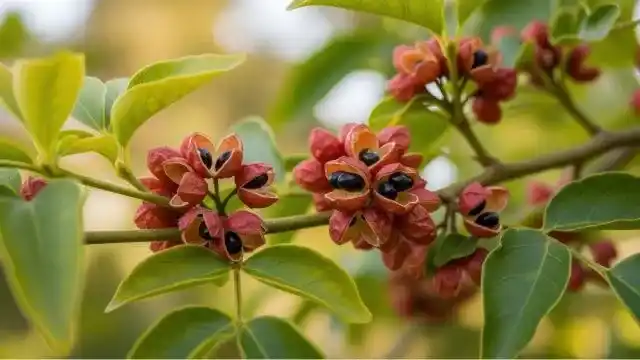
Cascara (Rhamnus purshiana), often called cascara sagrada, is a deciduous shrub or small tree in the Rhamnaceae family. Native to western North America, especially the Pacific Northwest, it bears smooth bark, oval leaves, and dark berries. The bark is the traditional plant part used in herbal preparations.

In traditional western herbal practice, aged cascara bark has been used in formulas associated with bowel regularity. It has typically been prepared only after proper aging or processing, as fresh bark is known to be far more irritating.

Because the bark is a strong herb with a specific traditional role, cascara is not usually treated as a casual household herb and should be approached carefully.

Cascara Benefits and Traditional Uses

Cascara has traditionally been used to support:

  • Traditional bowel regularity formulas
  • Herbal bitter preparations
  • Older western herbal digestive formulas
  • Short-term herbal preparations with aged bark

Historically, cascara bark became well known in North American and European herbal practice, especially when properly aged before use to reduce harsh effects.

“Cascara sagrada was long regarded as a specific bark herb and was never meant for careless use.”

— Traditional western herbal reference

Cascara Preparation Methods

Cascara can be prepared in several traditional ways:


Decoction

Properly aged cascara bark may be simmered carefully in water as a traditional decoction.

Part of the plant used: Aged bark

Tincture

Aged bark may be used in alcohol extracts prepared for traditional herbal use.

Part of the plant used: Aged bark

Powder or Capsules

Prepared bark has also been used in powdered form or encapsulated products.

Part of the plant used: Aged bark

Formula Blend

Cascara is sometimes included in traditional digestive formulas with other herbs.

Part of the plant used: Aged bark


Growing Cascara

Cascara is a woodland shrub or small tree that prefers cool, moist environments and humus-rich soil.

  • Prefers full sun to partial shade
  • Grows best in moist, well-drained soil rich in organic matter
  • Suitable for USDA growing zones 6–9
  • Best suited to the Pacific Northwest and similar temperate regions of the United States
  • Can be grown as a native landscape plant in mild, moist climates

Cascara is not commonly grown as a home herb garden plant in dry climates. It is more often found in native plantings and woodland-style settings in the western United States.


Safety Considerations

Cascara has a long history of traditional use, however it is a strong bark herb that requires particular caution.

However:

  • Fresh cascara bark should not be used, as it is much more likely to cause strong digestive irritation.
  • Overuse may lead to cramping, loose stools, or dependence on stimulant laxative herbs.
  • This herb is generally not intended for long-term use.
  • Individuals with bowel disorders, abdominal pain, or dehydration should avoid self-prescribing cascara.
  • Pregnant or breastfeeding individuals should avoid internal use unless advised by a qualified healthcare professional.
  • Always consult a qualified healthcare professional before using cascara or any strong laxative herb.

This information is provided for educational purposes only and is not medical advice.

Image Disclaimer: Images are for reference only and should not be used as the sole method of identification. Always confirm identification with a qualified source.
Frequently Asked Questions
What is cascara traditionally used for?

Cascara is traditionally used in herbal preparations associated with bowel regularity. The aged bark is the part historically used in these formulas.

What part of cascara is used?

The bark is the part traditionally used, and it is usually aged or properly processed before preparation. Fresh bark is considered much harsher.

Is fresh cascara bark used?

No, fresh cascara bark is traditionally avoided because it is much more likely to cause irritation. Proper aging or processing has long been considered important.

Can cascara grow in the United States?

Yes, cascara is native to parts of the western United States, especially the Pacific Northwest. It prefers moist woodland conditions and mild climates.

Is cascara a strong herb?

Yes, cascara is generally considered a strong herb with a specific traditional purpose. It is not usually treated as a casual everyday household herb.

Can cascara be used long term?

Long-term use is generally avoided in traditional and modern contexts because stimulant laxative herbs can become irritating over time. Professional guidance is recommended.

Cascara Benefits, Features and Medicinal Uses

Help Us Improve the Cascara Page

Do you grow, photograph, study, or work with this plant?

If you have an accurate photo, growing experience, traditional use note, identification detail, correction, or useful source to share, we would love to hear from you.

Your contribution may help improve the accuracy, usefulness, and educational value of this page for other readers.


Share a photo, correction, or plant note →

Botanical Overview

  • Botanical name: Rhamnus purshiana
  • Family: Rhamnaceae
  • Plant type: Tree bark plant
  • Native region: Western North America
  • Common names: Cascara sagrada, sacred bark, bearberry tree