

Coltsfoot Uses & Safety (Tussilago farfara)

Coltsfoot (Tussilago farfara) is a perennial herb in the Asteraceae family. Native to Europe and parts of Asia and naturalized in other regions, it is known for sending up bright yellow flowers before its broad hoof-shaped leaves appear. The leaves and flowers are the parts traditionally used.

In older European herbal traditions, coltsfoot was well known in teas and other preparations associated with the throat and respiratory tract. It became one of the classic herbs in this area of traditional use.

The plant often grows in damp, disturbed ground and can spread vigorously by rhizomes, making it persistent once established.

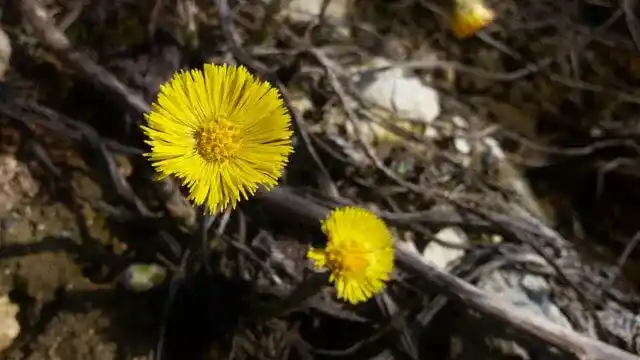
Coltsfoot Benefits and Traditional Uses

Coltsfoot has traditionally been used to support:

  • Traditional throat and respiratory herbal teas
  • Older European household remedies
  • Herbal leaf infusions
  • Classic demulcent-style preparations
  • Traditional soothing herb blends

Historically, coltsfoot was a well-known herb in European folk use and older herbals, especially for preparations connected with the chest and throat.

Historically, coltsfoot has been included in a variety of traditional preparations where it was valued for its soothing properties.

“Coltsfoot was among the old herbal leaves long associated with the chest and the winter cupboard.”

— Traditional European herbal reference

Coltsfoot Preparation Methods

Coltsfoot can be prepared in several traditional ways:


Tea

Dried leaves or flowers may be steeped in hot water as a traditional herbal tea.

Part of the plant used: Leaves or flowers

Decoction or Syrup

Leaves or flowers have historically been simmered in water, sometimes forming part of traditional syrup-style preparations.

Part of the plant used: Leaves or flowers

Smoking Blend

Dried leaves have been mentioned in historical herbal smoking blends.

Part of the plant used: Leaves

Poultice

Fresh or prepared leaves may be applied externally in traditional topical preparations.

Part of the plant used: Leaves

Culinary Use

Young leaves or flower buds have occasionally been prepared as food in historical use, though this is not commonly practiced.

Part of the plant used: Leaves or flower buds

Tincture

Leaves or flowers may be extracted in alcohol in some traditional herbal preparations.

Part of the plant used: Leaves or flowers

Herbal Blend

Coltsfoot is often discussed alongside other herbs in traditional respiratory herbal blends.

Part of the plant used: Leaves or flowers


Growing Coltsfoot

Coltsfoot is a spreading perennial that favors damp soil, banks, ditches, and disturbed ground.

  • Prefers full sun to partial shade
  • Grows best in moist soil
  • Suitable for USDA growing zones 4–8
  • Can grow in many temperate parts of the United States where moisture is available
  • May spread aggressively by underground rhizomes and behave like a weed

Coltsfoot can be difficult to control once established. It is better suited to naturalized or wild areas than to small formal herb beds.


Safety Considerations

Coltsfoot has a long history of traditional use, however this herb is associated with important safety concerns.

However:

  • Coltsfoot may contain pyrrolizidine alkaloids, which are associated with liver safety concerns.
  • Because of this, prolonged or heavy internal use is generally avoided.
  • Individuals with liver concerns should avoid self-prescribing coltsfoot.
  • Pregnant or breastfeeding individuals should avoid internal use.
  • Individuals sensitive to plants in the Asteraceae family should also use caution.
  • Always consult a qualified healthcare professional before using coltsfoot internally.

This information is provided for educational purposes only and is not medical advice.

Image Disclaimer: Images are for reference only and should not be used as the sole method of identification. Always confirm identification with a qualified source.
Frequently Asked Questions
What is coltsfoot traditionally used for?

Coltsfoot is traditionally used in older European herbal practice, especially in preparations associated with the throat and respiratory tract. The leaves and flowers are the parts most often discussed.

What part of coltsfoot is used?

The leaves and flowers are the parts traditionally used. These may be prepared in teas, blends, and other older household herbal formulas.

Can coltsfoot grow in the United States?

Yes, coltsfoot can grow in many temperate parts of the United States where moist soil is available. It often appears in damp disturbed ground and may spread readily.

Is coltsfoot considered invasive?

It can behave aggressively because it spreads by underground rhizomes and can establish persistent patches. In some settings it is treated as a weedy or invasive plant.

Are there safety concerns with coltsfoot?

Yes, coltsfoot is associated with important liver safety concerns due to pyrrolizidine alkaloids. Because of this, internal use is often approached with great caution.

Why is it called coltsfoot?

The name comes from the shape of its broad leaves, which were thought to resemble a colt’s hoof. This distinctive leaf shape is one of the plant’s most recognizable features.

Coltsfoot Benefits, Features and Medicinal Uses

Help Us Improve the Coltsfoot Page

Do you grow, photograph, study, or work with this plant?

If you have an accurate photo, growing experience, traditional use note, identification detail, correction, or useful source to share, we would love to hear from you.

Your contribution may help improve the accuracy, usefulness, and educational value of this page for other readers.


Share a photo, correction, or plant note →

Botanical Overview

  • Botanical name: Tussilago farfara
  • Family: Asteraceae
  • Plant type: Perennial herb
  • Native region: Europe and parts of Asia, naturalized elsewhere
  • Common names: Colt's-foot, coughwort, horsehoof